

Study Highlights Diverse Conservation Collaborations
A global study published on October 22 in The Journal of Applied Phycology has found that community involvement is crucial in successful kelp restoration efforts worldwide.
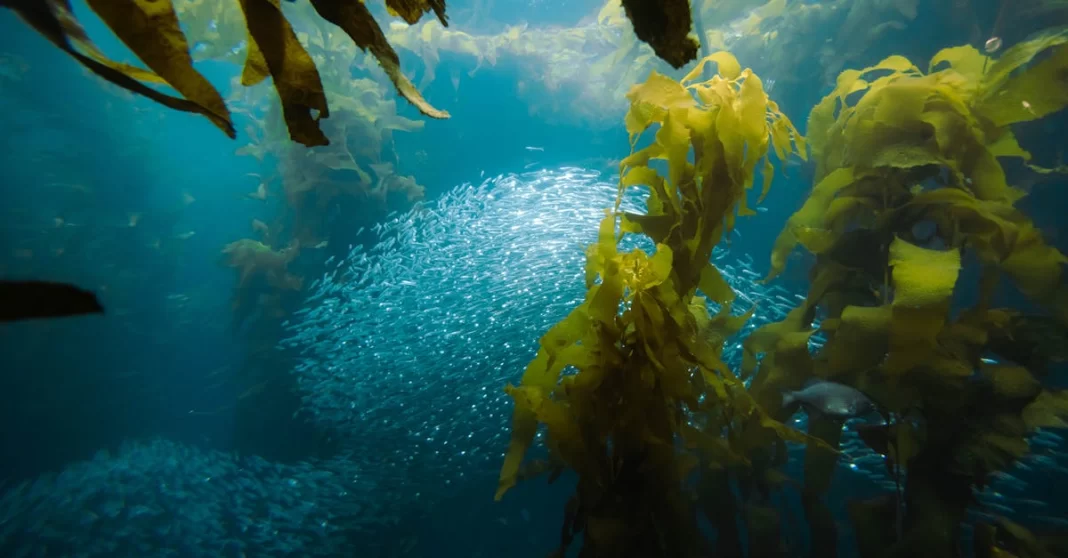
The research, involving over 100 experts from 35 regions with kelp forests, provides the first global comparison of conservation strategies for these vital ecosystems. Kelp forests, found from the Arctic to the Antarctic, are critical habitats that support marine biodiversity, fisheries, carbon storage, and shoreline protection.
These underwater forests face increasing threats from ocean warming, marine heatwaves, pollution, and sea urchin overpopulation. Lead author Dr Aaron Eger from UNSW Sydney stated, “The study identified no singular solution to kelp decline but highlighted the importance of connecting conservation efforts with local communities.”
Community-Based Conservation Models
Dr Eger pointed out that regions making significant progress in kelp restoration involve diverse partnerships, such as Indigenous stewardship in Canada, fishing cooperatives in Mexico, large-scale programmes in Japan and South Korea, and initiatives by commercial divers in Victoria. “Conservation works best when communities have a direct stake in the outcome,” he stated.
The study revealed that while monitoring programmes are common, active restoration is less widespread, occurring in fewer than half the regions studied. Many areas are documenting kelp decline but are not taking direct action to address it.
Dr Eger emphasised the growing global movement to restore kelp forests but noted a gap between understanding the problem and implementing solutions. “We know a lot about why kelp forests are declining,” he said. “The challenge now is turning that knowledge into action at the scale needed to make a difference.”
The researchers hope their findings will guide future investments and collaborations, allowing regions to learn from each other in tackling this widespread conservation challenge. The study also highlights the importance of knowledge exchange between regions, which can accelerate effective restoration practices.
For example, successful initiatives in Japan and South Korea can serve as models for other regions. The review underscores the urgency of addressing the threats to kelp forests, which are vital for maintaining healthy marine ecosystems and supporting local economies.
Monitoring programmes are widespread, but active restoration is less common, occurring in fewer than half the regions examined. Although knowledge about kelp decline is extensive, implementing solutions remains a challenge. The study hopes to bridge this gap through international collaboration.
Last updated: 29 June 2026, 11:47 am