

Five-year stem cell research plan will move from lab studies
Australia has launched a five-year, $4.6 million research programme to test whether a new stem cell therapy can reverse the effects of Parkinson’s disease.
The Australian Government’s Medical Research Future Fund is backing the project, which was announced in an announcement on 2 July 2026.
ICamuno Biotherapeutics developed the therapy, and partners at Monash University, The Florey, the University of Sydney and WEHI will run the preclinical studies.
After that stage, Royal Melbourne Hospital will lead a clinical trial, with later expansion to the Alfred Hospital.
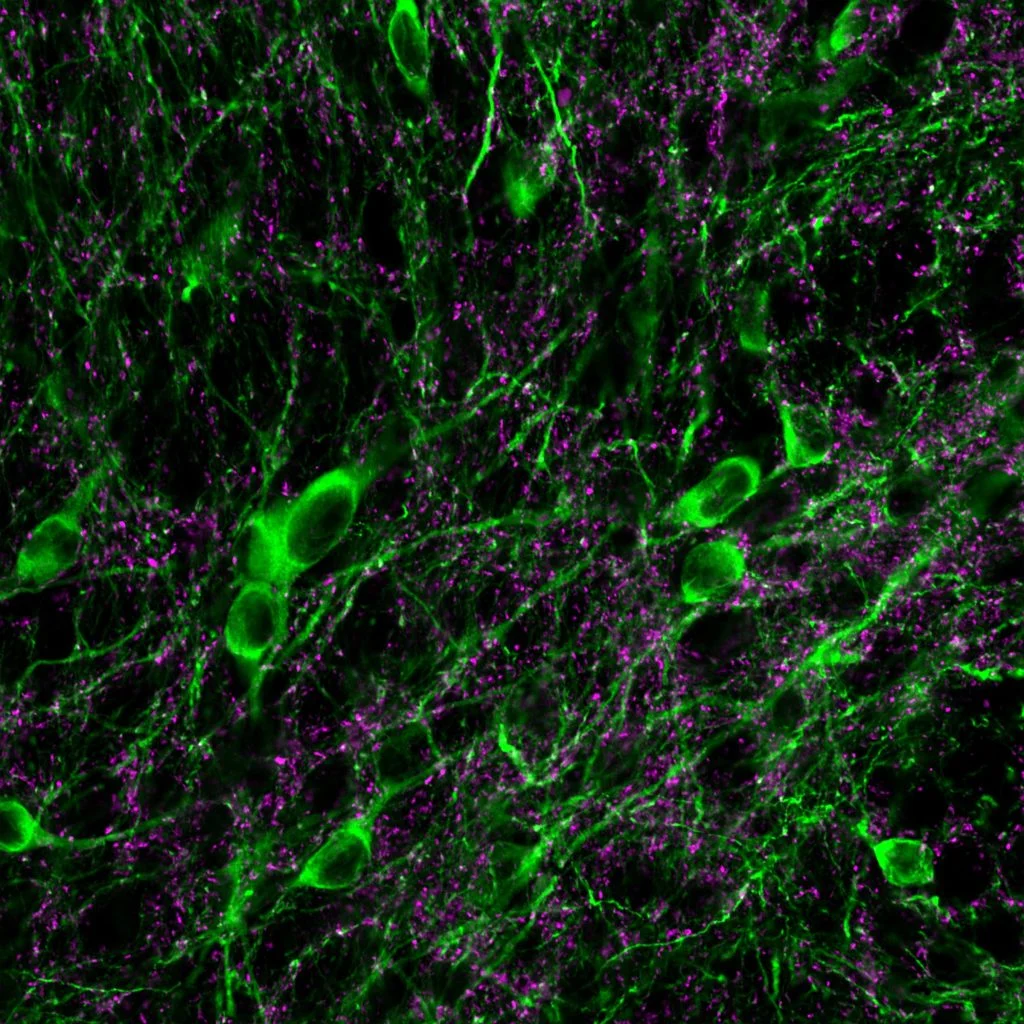
The treatment uses transplanted dopamine-releasing neurons to repair brain damage caused by Parkinson’s disease.
Unlike other stem cell approaches, the therapy aims to avoid long-term immunosuppression, which has limited similar treatments.
Modified stem cell line
ICamuno Biotherapeutics uses a modified stem cell line that creates dopamine-producing neurons engineered to evade recognition by the immune system after implantation into the brain.
As a result, the approach could cut transplant rejection and avoid immunosuppressive drugs.
In recent years, transplant rejection has blocked wider use of stem cell therapy for Parkinson’s disease, even as a small number of global clinical trials suggested the treatment can be safe.
Because of those early trial results, the Australian Government awarded $4.6 million to an Australian research team to test this new approach.
Associate Professor Andrew Evans, director of the Movement Disorders Service at Royal Melbourne Hospital, will lead the first-in-human clinical trial stage.
Evans previously led the world’s first Phase I clinical trial of stem cell therapy for Parkinson’s disease.
Meanwhile, Professor Clare Parish, deputy director at The Florey Institute of Neuroscience and Mental Health, will co-lead the preclinical research with researchers from the University of Sydney.
Parish said, “By restoring dopamine in the brain that is lost as a result of Parkinson’s disease, we are confident we will be able to not only halt progression but also modify the disease in a targeted way to reverse the damage.”
Associate Professor Matthew McCormack is the lead investigator. He is senior director at iCamuno Biotherapeutics and an adjunct associate professor at Monash University.
The programme will also use AI-guided virtual cell modelling and lived experience input through WEHI’s Parkinson’s disease consumer programme.