

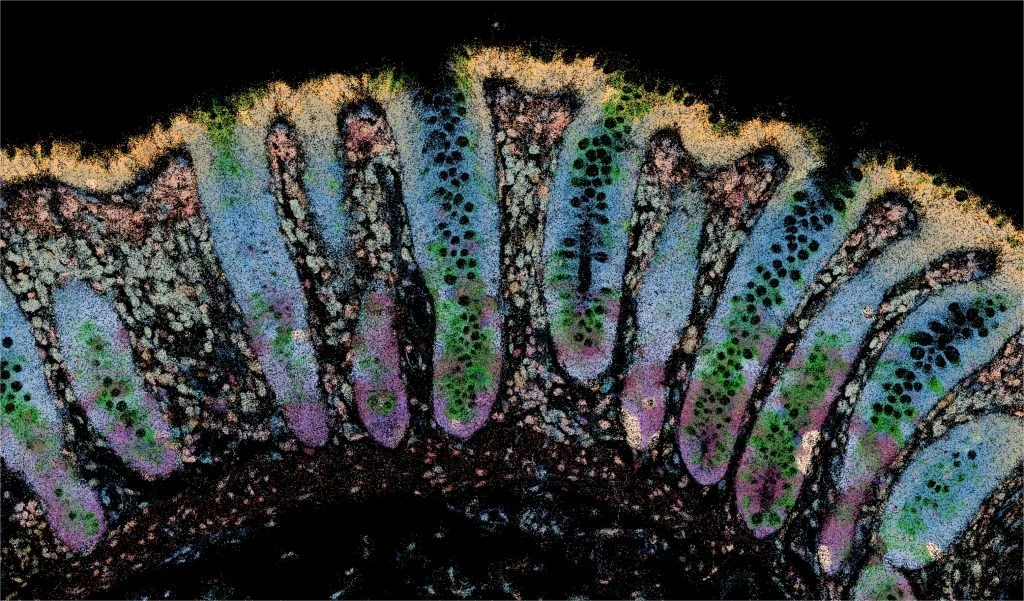
WEHI and Royal Melbourne Hospital identify hidden gut cell defect
Researchers have identified early molecular warning signs of inflammatory bowel disease that can appear before symptoms start and persist when patients seem well.
A WEHI-led study, carried out with the Royal Melbourne Hospital and published in Science on 28 August 2026, found a hidden flaw in intestinal cells involving abnormal cell death.
That defect was detectable even in patients whose disease was well controlled. As a result, the findings could help explain why many patients have flare-ups after periods of apparent stability.
Inflammatory bowel disease includes Crohn’s disease and ulcerative colitis. The chronic condition affects around 180,000 Australians.
Symptoms can be severe. They include rectal bleeding, abdominal pain, diarrhoea, fatigue and weight loss.
Although modern treatments can help many people reach remission, IBD remains difficult to diagnose and treat. Patients often cycle between controlled periods and sudden flare-ups that can require hospital care.
Study co-author Dr Andre Samson said patient samples showed intestinal cells were “primed to die” even when people had essentially no symptoms.
“Once you’ve got the diagnosis, IBD doesn’t go away. Even if you become symptom-free on the current treatments, we know there’s a likelihood you’re going to have a flare or relapse,” Samson said.
According to the researchers, the results challenge the idea that cell death in inflammatory bowel disease only happens because of inflammation. Instead, the defect may be part of the process that drives the disease.
Dr Andre Samson on flare-ups
Samson said the team found that, even when patients seemed well and their disease appeared under control, their intestinal cells were still vulnerable to damage.
WEHI described the problem as a “smouldering” molecular defect in gut cells from people with inflammatory bowel disease. Meanwhile, the defect appeared during remission, not only during active illness.
“What we found in patient samples was that intestinal cells are primed to die. Even in patients with essentially no symptoms, there’s still this persistent problem sitting there,” he said.
The findings could open pathways for earlier prediction of flare-ups, more precise monitoring and more tailored treatment. However, WEHI did not say how many patients took part, how long the study ran or whether the results are ready for clinical use.
WEHI also did not say when any new test, monitoring tool or treatment approach based on the findings might become available to patients.