

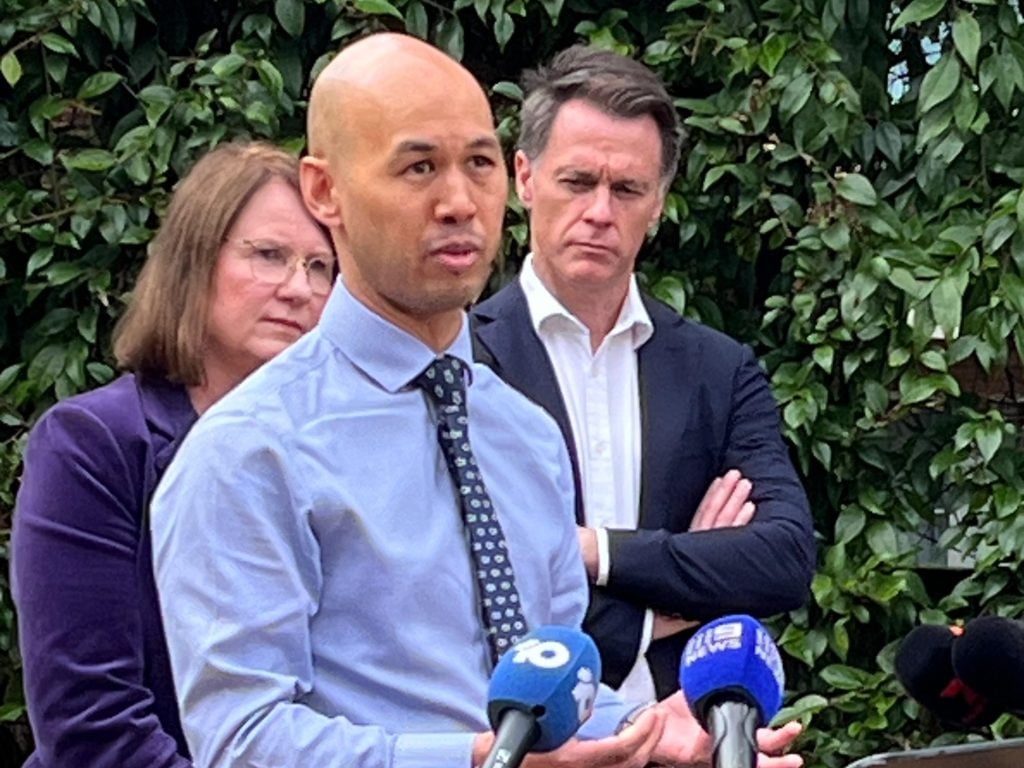
Funding targets training, specialist backup and patient costs
The Royal Australian College of GPs has welcomed an $11.7 million NSW Government package to widen access to ADHD care, calling the move a win for health equity.
The package includes $2.7 million for GPs to complete endorsed prescriber training. That training will let them start patients on ADHD medicines.
Meanwhile, $5.7 million will fund specialist paediatric and psychiatry services to give clinical support to GPs. Another $1.8 million will support ongoing uptake of the reforms and give GPs access to allied health assessments and diagnostic support.
The final $1.5 million will provide up to $600 for up to 2500 patients. That money can cover clinic administration, pre-assessment tools, or input from clinicians such as dietitians and psychologists.
Western Sydney access gaps
According to the NSW Government, the $1.5 million stream aims to help specialist GPs trained as endorsed prescribers offer ADHD assessments and follow-up appointments at no cost to patients.
RACGP NSW and ACT Chair Dr Rebekah Hoffman called on GPs in areas of need to take up the training. “This is a landmark investment in ADHD care that will significantly expand access for patients across New South Wales,” she said.
She said the benefits should be strongest in Western Sydney, South Western Sydney and other high-need communities. “By investing in specialist GPs to provide ADHD assessments and diagnoses, particularly in Western Sydney, South Western Sydney and other high-need communities, more patients will be able to access high-quality, timely care closer to home,” Hoffman said.
Dr Hoffman also pointed to a postcode divide in treatment access. “Statistics on medication use show a patient’s postcode is still the biggest determining factor when it comes to accessing medication for ADHD. Patients in the most disadvantaged areas receive prescriptions for ADHD at around half the rate of patients in the most advantaged areas.”
She also linked part of the problem to funding pressures in general practice. “Medicare funding often doesn’t match the cost of the longer consultations which patients need for more complex care like ADHD assessments, and patients are typically left to cover the gap,” Hoffman said.
As a result, the new package could lower out-of-pocket costs for many families. “This investment from the NSW Government will help to reduce or eliminate that gap for many patients, which is a win for health equity.
Dr Hoffman also said the college will work with the Minister and NSW Health as the reforms roll out. “We’re excited to work alongside the Minister and NSW Health to implement this initiative and ensure it delivers the best possible outcomes for GPs, their patients and communities across the state.”
The RACGP is the voice of general practitioners in cities, rural towns and remote Australia. The college has supported the health system for more than 60 years.