

Farmers Oppose Premature Acquisition Tactics
On October 12, 2023, AusNet Services filed compulsory acquisition bids for land along the Western Renewables Link (WRL) corridor, even though the Environment Effects Statement (EES) process has not yet concluded. This decision has sparked significant controversy among local farming communities affected by the proposed project.
The WRL is a proposed 190km high-voltage transmission line that will stretch from Bulgana to Sydenham in Melbourne’s north-west. Despite the ongoing EES process, AusNet is pursuing easements from landholders who have not agreed to voluntary terms, leading to a considerable backlash.
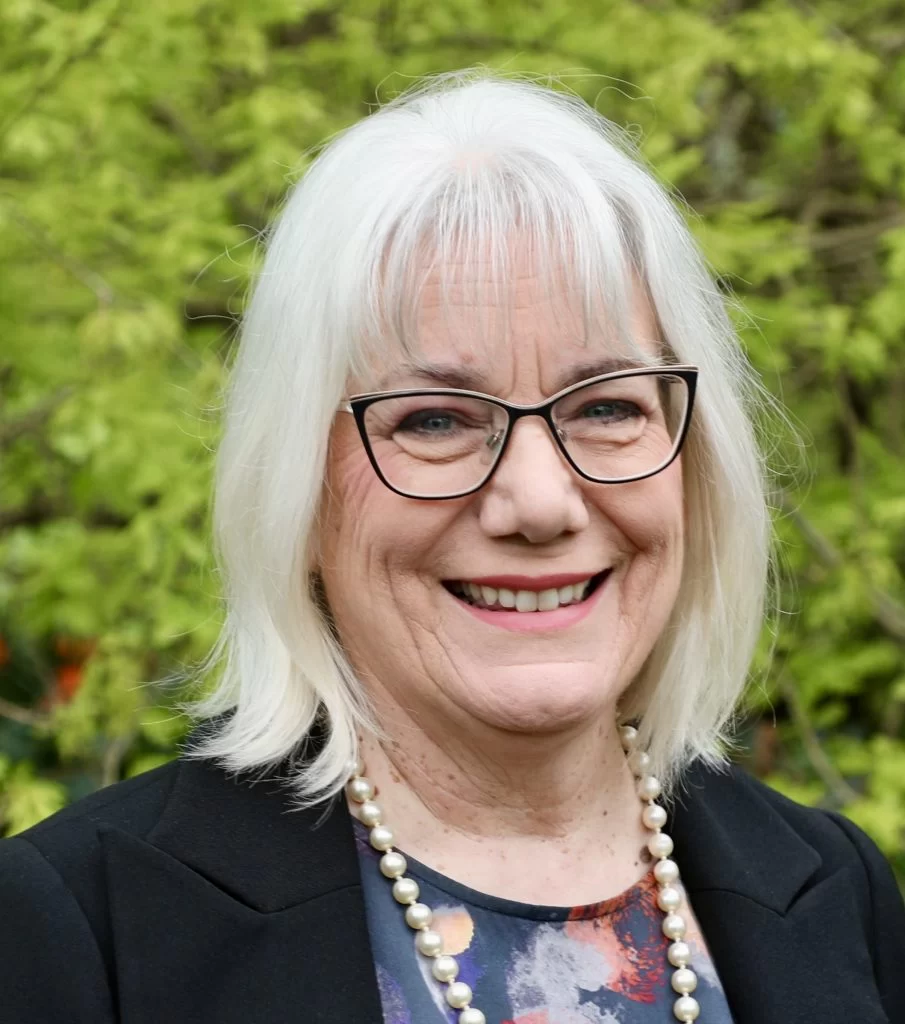
Jane Foreman, a candidate for the Victorian Upper House from Family First, has publicly criticised AusNet’s approach. She stated, “This is a blatant act of intimidation against farming families who have not consented to the project.”
Legislation Enables Early Acquisition
The Electricity Industry Act 2000 (Vic) permits AusNet to request approval to compulsorily acquire easements over private land if voluntary agreements are not reached. This legislation allows land to be acquired before any compensation is offered to landholders, raising significant concerns among the affected families.
Local families have opposed the construction of 70-metre steel towers across their farmland. They argue that while they support renewable energy, they object to infrastructure being imposed without their consent. “The Allan Labor Government has handed AusNet a legal weapon and is standing back while they point it at farmers,” Foreman emphasised.
She called for an immediate halt to compulsory acquisitions until the EES process is fully completed. The Regional Victoria Power Alliance and affected communities have expressed distrust in the process. They urge landholders to resist until all appeal options have been exhausted. Family First demands that the government ensure no forced land acquisitions occur without full due process.
Among the affected farming families, many have been vocal about their concerns. They argue that their land, some of which has been in their families for generations, should not be taken without proper consent and compensation.
The proposed transmission line is part of a broader effort to transition to renewable energy sources, which the government claims is necessary to meet future energy demands. However, the manner in which AusNet is proceeding has led to mistrust and opposition among those directly impacted.
Amid these tensions, there are calls for more transparent and inclusive consultations with landholders to find mutually agreeable solutions. As the EES process continues, affected communities remain hopeful that their voices will be heard and considered in final decisions.
Last updated: 29 June 2026, 12:11 pm