

Emotional Toll of Blood Cancer Monitoring
Nearly one in two Australians living with blood cancer experience ‘scanxiety’, a persistent fear that their next medical test could reveal a cancer relapse, according to the Leukaemia Foundation CEO, Chris Tanti. “There are over 170,000 Australians living with blood cancer, and nearly half experience scanxiety,” he stated. “The fear of relapse can be an all-consuming part of everyday life.” This burden persists long after initial treatment ends, impacting mental health significantly.
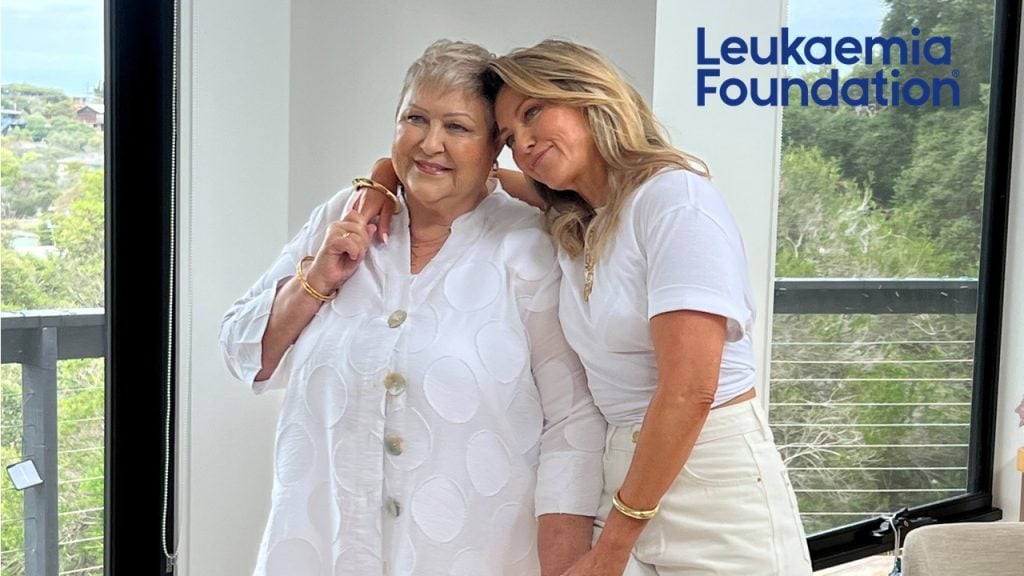
Patients with blood cancers like myeloma face high relapse rates, with up to 80% experiencing a return of the disease. As a result, lifelong monitoring is necessary, adding to the ongoing psychological strain. Australian actress Jacinta Stapleton and her mother Jackie Williams, who was diagnosed with acute myeloid leukaemia, shared their experiences. Stapleton noted, “Seeing mum go through blood cancer has been all-consuming.” Jackie expressed that remission felt like “a kind of stagnant stage where you’re managing this awful thing.”
Today, on World Blood Cancer Day, the Leukaemia Foundation emphasises the need for awareness of scanxiety. The foundation is advocating for increased mental health support for those dealing with the emotional toll of blood cancer. Currently, half of the Australians seeking help from the foundation require emotional support, and many report significant improvements in their wellbeing after receiving assistance.
Blood cancers often require lifelong surveillance, with patients undergoing repeated blood tests, scans, and invasive bone marrow biopsies. This continuous monitoring underscores the chronic nature of the disease and its mental health implications. With blood cancer on track to be the most diagnosed cancer in Australia in the next decade, more Australians will face the challenges of scanxiety. The foundation urges greater awareness and support, encouraging Australians to donate to the Leukaemia Foundation’s tax appeal, aimed at supporting those affected by scanxiety.
“For many, the fear of relapse is rife and never truly leaves,” Tanti commented. This fear heavily affects patients and their families, emphasizing the importance of mental health support. As blood cancer is expected to become the most diagnosed cancer in Australia within the next decade, the foundation calls for immediate action to help those impacted.

