

Leaders press for national response to murdered and disappeared women
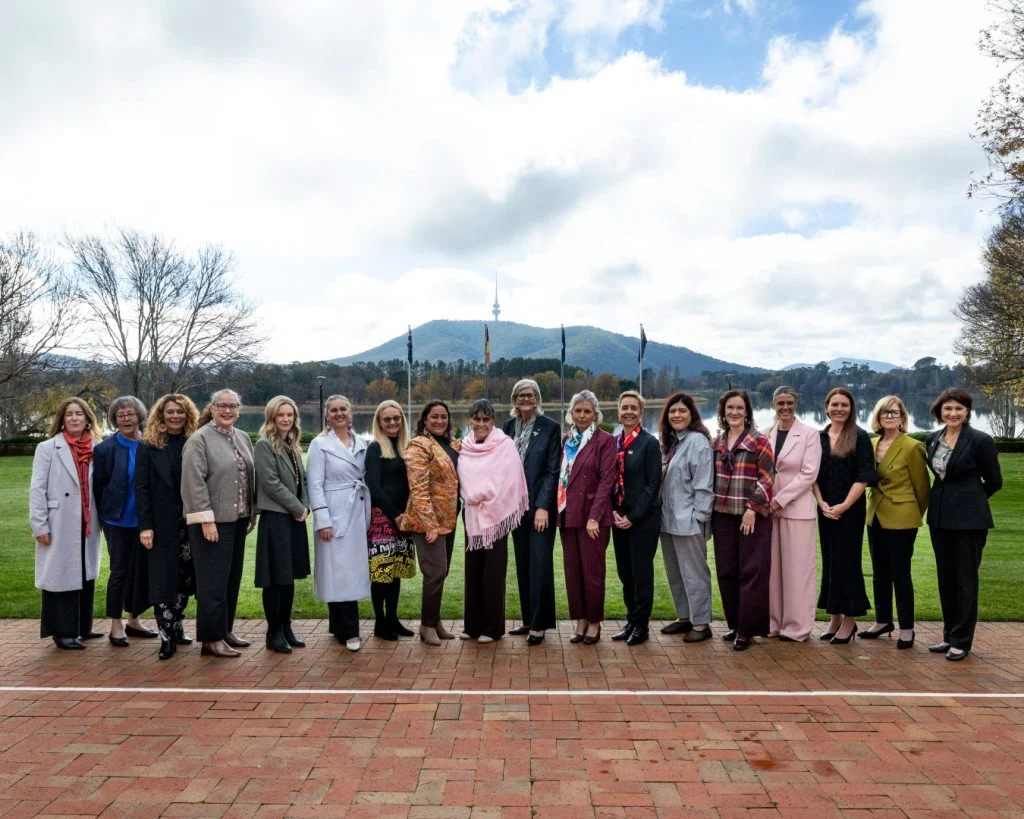
First Nations women and children were at the centre of an 11 June roundtable at Government House, where Aboriginal and Torres Strait Islander leaders, advocates and officials called for urgent national action on murders and disappearances.
Dr Hannah McGlade initiated the national meeting. Governor-General Sam Mostyn hosted it at Government House. Katie Kiss and Micaela Cronin co-convened the roundtable.
The 11 June gathering brought together Aboriginal and Torres Strait Islander women leaders, people with lived experience, government representatives, Aboriginal community-controlled organisations, advocates and practitioners.
Participants described murdered and disappeared Aboriginal and Torres Strait Islander women and children as a national human rights crisis. Discussions focused on violence, systemic racism, institutional failures and unequal access to justice in Australia.
Kiss called for governments to work in genuine partnership with Aboriginal and Torres Strait Islander communities. She said decades of calls from women, families and communities must shape the national response.
“This crisis is the result of intersecting forms of violence, systemic racism, and longstanding institutional failures,” Kiss said.
Seven Sisters Project and CEDAW cases
The Seven Sisters Project helped drive the meeting. The project centres on advocacy through United Nations Committee on the Elimination of Discrimination against Women cases involving Aboriginal women and their families.
Those CEDAW cases highlight wrongful incarceration, homicide and justice responses that families describe as inadequate or discriminatory. They also point to wider failures in policing, child protection, housing, health and social services.
Roundtable participants warned that many recommendations from earlier inquiries and reviews remain unimplemented or only partly implemented. That concern persists despite decades of evidence about systemic failures.
Attendees asked governments to treat murdered and missing Aboriginal and Torres Strait Islander women and children as a national priority. The group also backed stronger government accountability.
Among the proposals was a request for National Cabinet to provide an update on recommendations from the 2024 Senate Committee Inquiry on missing and murdered First Nations women and children.
Participants also supported a Department of Social Services audit of inquiry recommendations. State and territory ministers were asked to consider the issue through national ministerial councils.
In addition, the roundtable called for better national data collection and more transparency through the Data Policy Partnership, in line with Priority Reform Four under the National Agreement on Closing the Gap.
Attendees also supported culturally appropriate remembrance and recognition measures led by the Prime Minister’s Office and the Office for Women.
Cronin said governments must rise to the scale and seriousness of the crisis. She said families and communities have carried the burden of truth-telling and advocacy for too long.
“Aboriginal and Torres Strait Islander women and children deserve to live safely, with dignity, and free from violence,” Cronin said.
The roundtable also reviewed existing national strategies, including Our Ways, Strong Ways, Our Voices: National Aboriginal and Torres Strait Islander Plan to End Family, Domestic and Sexual Violence 2026, 2036, launched in February 2026.
However, participants said the crisis cannot be explained only through domestic, family and sexual violence. Unresolved deaths, disappearances, racism and justice failures, they argued, require a broader national response.
A report from the roundtable has been published on the Department of Social Services website and the Domestic, Family and Sexual Violence Commission website.