

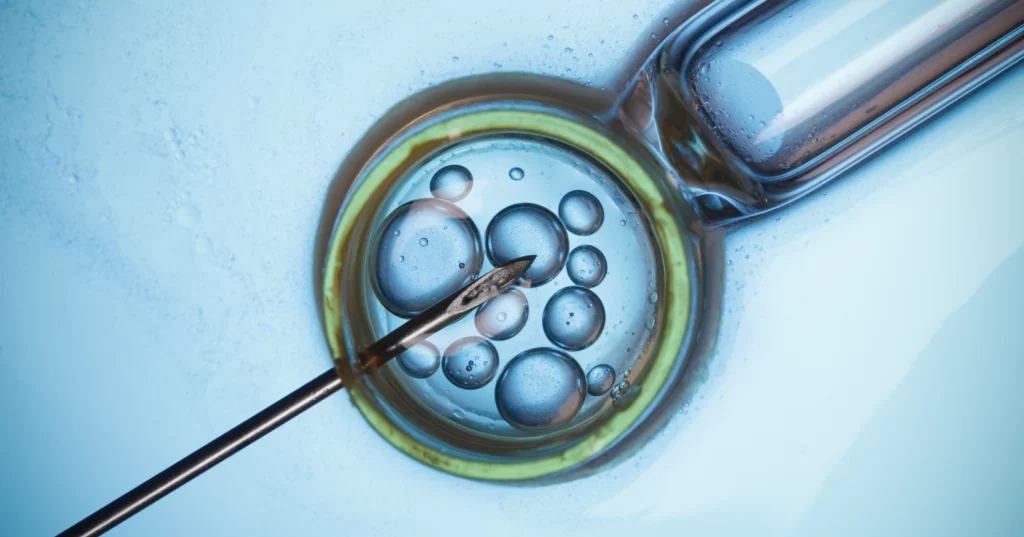
Ethical Concerns Over Embryo Handling and Genetic Screening
Lyle Shelton, the Family First party candidate for the NSW Legislative Council, announced plans to initiate a parliamentary inquiry into the ethical practices surrounding in vitro fertilisation (IVF) in New South Wales if elected. Shelton stated that IVF has offered hope to many couples facing infertility. However, he believes technological advances in IVF have outpaced ethical considerations. Clear ethical guidelines are necessary to govern these procedures.
“Family First is deeply compassionate toward couples who long for children. Infertility is a profound heartache, and modern medicine has helped many families experience the gift of life,” Mr Shelton said. He insisted that the use of reproductive technology must be guided by ethical standards.
According to Shelton, one pressing issue is the routine creation and destruction of excess embryos during IVF. These embryos, often discarded or used for research, raise questions about respecting human life at its earliest stages.
“IVF often involves producing multiple embryos, many of which are never implanted and are discarded or used for research,” Mr Shelton stated. Many Australians, he believes, are uncomfortable with these practices.
Screening and Selection Concerns
Shelton expressed worries about the increasing use of pre-implantation genetic testing. This technology allows embryos to be selected based on perceived ‘quality’, potentially leading to disability discrimination and the commodification of human life.
“Pre-implantation genetic testing allows embryos to be selected based on perceived ‘quality’, with others discarded. This raises profound ethical questions about disability discrimination and the commodification of human life,” Mr Shelton said.
International developments show embryos being ranked based on predicted traits like intelligence and health. Shelton warned that this could lead to a form of modern eugenics.
“Once we move beyond preventing serious disease into selecting preferred traits, we are on a slippery slope toward treating children as products rather than human beings with inherent dignity,” he said.
Shelton discussed ethical concerns surrounding non-medical sex selection, which Australia currently restricts. There is ongoing pressure to relax these laws, and Shelton highlighted the potential for gender discrimination and skewed birth ratios.
He proposed that a parliamentary inquiry would provide a platform for medical experts, ethicists, parents, and the wider community to express their views. He emphasised that technology should serve humanity without redefining it.
“Technology should serve humanity, not redefine it,” Shelton concluded. A balanced approach is necessary, considering compassion for those experiencing infertility and the protection of human life.
Broader questions also need examination, such as the commercialisation of reproduction, informed consent, and the long-term implications of emerging technologies like artificial intelligence in embryo selection. Shelton believes a parliamentary inquiry will address these complex issues, ensuring that ethical boundaries guide the use of advanced reproductive technologies.
Last updated: 29 June 2026, 12:10 pm