

Breakthrough in Stroke Treatment
Researchers from La Trobe University and the Baker Heart and Diabetes Institute in Australia have made a significant discovery regarding stroke recovery. They have identified the spleen as a critical target for reducing inflammation, which is crucial for improving recovery outcomes after a stroke.
According to Dr. Helena Kim, the research lead at La Trobe University, “Inflammation can cause ongoing injury to the brain, even after blood flow is restored.” This insight has led researchers to explore new treatment avenues.
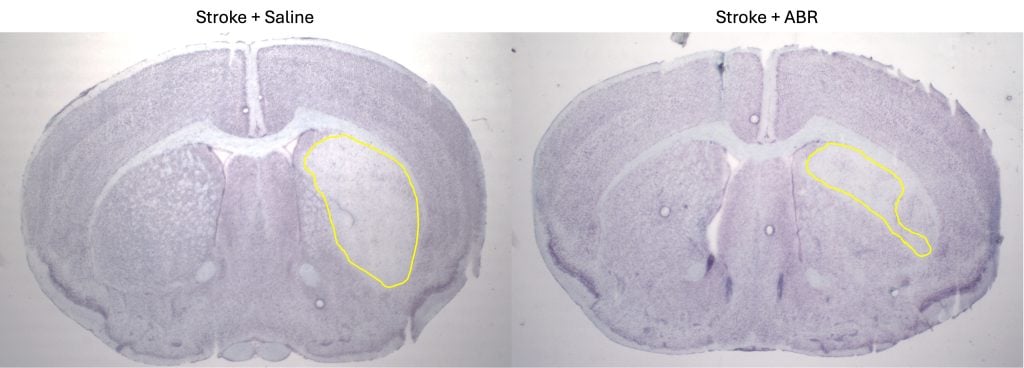
Published in the international journal Frontiers in Immunology, the study highlights how blocking the inflammatory signal S100A8/A9 in experimental models significantly reduced brain damage by approximately one-third.
Significance of Spleen in Inflammation
The spleen plays a crucial role by actively producing inflammatory immune cells following a stroke, which can exacerbate brain injury. By targeting this response, researchers believe they can aid recovery and decrease long-term disability among stroke patients.
Dr. Helena Kim, a prominent figure in the study, explained, “When we blocked this signal in a pre-clinical stroke model, we saw fewer harmful immune cells being generated, smaller areas of brain damage, and better neurological recovery.”
Animal models treated with a drug that blocks the activity of S100A8/A9 showed a marked reduction in the production of inflammatory immune cells by the spleen. This led to about a 35 per cent reduction in brain damage and improved physical function within 24 hours after the stroke.
Globally, stroke remains a leading cause of death and long-term disability. Current treatments focus on restoring blood flow to the brain, which is critical, yet they do not address the damaging inflammation that persists after the initial blockage is cleared.
The findings suggest a new way to enhance recovery and minimise long-term disability after stroke by specifically targeting the body’s immune response. This approach could revolutionise how stroke recovery is managed in the future.
While this research presents an exciting step forward, further studies are necessary to confirm these findings across different patient groups to ensure the efficacy and safety of the proposed treatments.
Last updated: 4 April 2026, 8:02 pm

