

Understanding the Canine Adolescent Phase
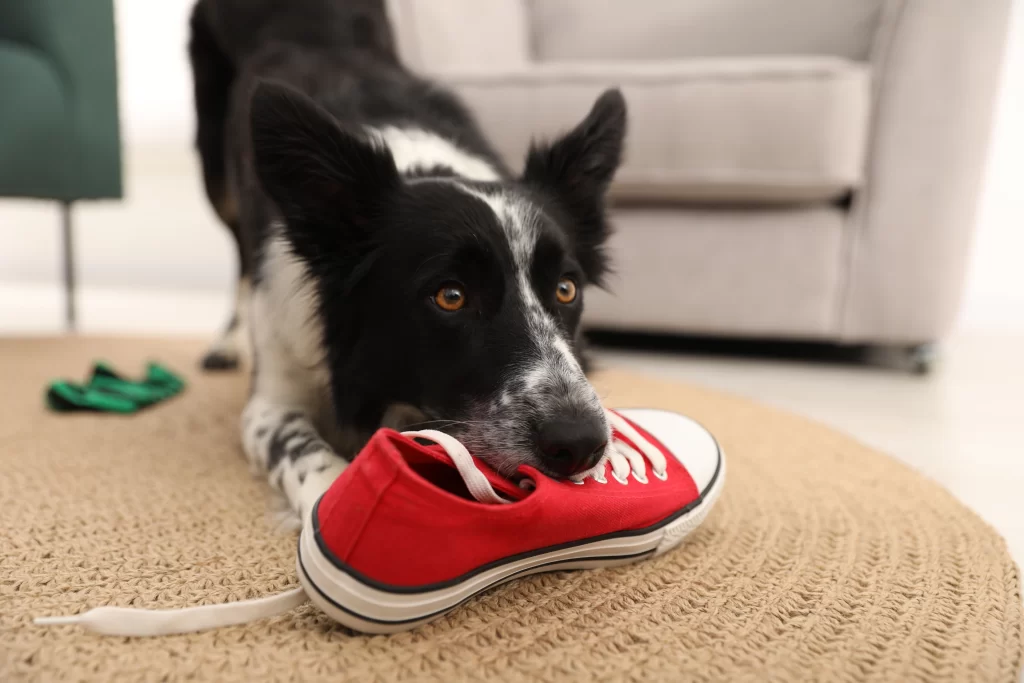
Teenage dogs often leave their owners perplexed as once obedient puppies start exhibiting challenging behaviors. Recall becomes unreliable, lead walking falls apart, and behaviors like jumping, grabbing, barking, or pulling on the lead suddenly increase.n
For many families who brought home a puppy over Christmas, this stage may be starting to emerge now. According to accredited canine behaviourist, expert force-free trainer, and bestselling author Sarah Rutten, this stage is not only common, it is a normal part of development.n
Sarah explains that adolescence can begin from around four months and continue through to two years, depending on the dog. “Teenage dogs have a reputation for pushing boundaries,” Sarah says, “but what we’re usually seeing is a young dog going through a major developmental stage.”n
During adolescence, dogs can become more distracted, impulsive, and inconsistent. Some appear bolder and more adventurous, while others become more sensitive or easily overwhelmed.n
Sarah mentions that it’s very common for guardians to feel like their dog has forgotten everything. “You might see selective listening, more interest in the environment, or a sudden increase in behaviours like jumping, barking, or struggling to settle,” Sarah says.n
These changes are linked to brain development. Dogs at this age are still developing their frontal lobe, much like we are as teenagers. Impulse control, decision-making, and emotional regulation are still maturing, which is why they can seem to act first and think later.n
Sarah emphasises that dogs don’t misbehave to challenge us or take control. “Behaviour is influenced by what the dog is experiencing at that moment, not a desire to be naughty,” she states.n
She adds that outdated ideas around dominance can make this stage more difficult for both dogs and their guardians. “When people believe their dog is deliberately pushing boundaries, they’re more likely to respond with frustration or punishment,” Sarah says. “But what dogs need during this stage is support, guidance, and consistency.”n
Managing Adolescent Dog Behaviourn
Sarah advises dog owners to revisit foundational training skills such as recall and lead walking in low-distraction environments to help manage these behavioural changes.n
She suggests reducing the level of difficulty in training sessions and ensuring consistency in rewarding positive behaviour to encourage repetition of desired actions.n
Managing the environment to prevent unwanted behaviours and ensuring dogs receive appropriate physical exercise and mental stimulation is crucial.n
Consistency is what creates clarity for dogs. It’s not about being stricter, it’s about being clear and predictable.n
Sarah is exploring these challenges further in her upcoming book, which aims to help dog owners understand and navigate the adolescent phase more effectively.