

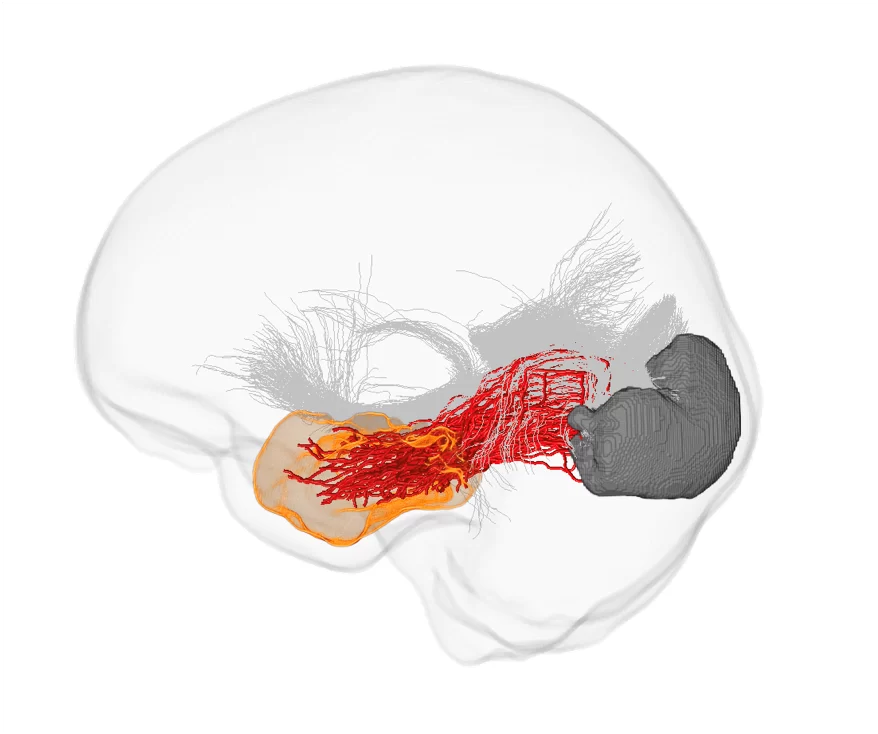
Structural Changes Beyond Surgery Site
The Florey Institute of Neuroscience and Mental Health led an international study, revealing structural changes in the brain following neurosurgery that extend beyond the operation site. Announced on 29th April 2026, this research challenges traditional views of how neurosurgery affects the human brain.
Using advanced MRI acquisition and image analysis software, researchers demonstrated changes occurring at the endpoints of surgically disrupted pathways, continuing throughout the brain network. These findings challenge the traditional view of neurosurgery’s effects on the human brain.
“The surgical disruption of brain connections can lead to degeneration of cells at these endpoints, affecting other connected brain regions,” explained Dr. Philip Pruckner, the lead author and a Florey PhD student.
Implications for Future Neurosurgery
In collaboration with the Medical University of Vienna, the research involved patients treated for drug-resistant epilepsy. Dr. Pruckner received the Austrian Ernst Niedermeyer Prize for Epileptology for his work. Findings suggest that advanced imaging methods could predict surgical intervention effects, potentially guiding more precise surgical planning.
Dr. Robert Smith, senior author and developer of the MRtrix3 software used in the study, highlighted the advancements made during the research. “This research and the novel methods give us a clearer understanding of what surgery does to the brain’s wiring as a whole,” he stated.
Sophisticated imaging techniques have been integrated into the MRtrix3 software and made openly available for other researchers. Despite the new findings, the researchers emphasised that neurosurgery remains a safe and effective treatment, with advanced imaging techniques offering potential improvements in neurological interventions.
Neurosurgeons utilise resective surgery to remove defined brain sections to treat various neurological conditions, including tumours and epilepsy. These procedures require careful planning to balance removing enough tissue to treat the condition while preserving critical brain function.
The research published in the journal Brain demonstrates that structural effects of surgery can extend further than previously thought. Researchers found even brain regions not directly involved in surgery can change after the intervention.
“Our research findings raise the exciting prospect of using advanced imaging methods to predict the effect of a surgical intervention, which could help guide more precise and individualized surgical planning in the future,” Dr. Pruckner concluded.
Last updated: 29 June 2026, 12:17 pm