

Project Aims to Address Knowledge Gap
On May 19, 2026, Charles Darwin University (CDU) initiated a project to study the impact of rising temperatures on Australia’s agriculture industry. The initiative aims to address challenges posed by more frequent and intense heatwaves in the country.
CDU’s Northern Institute leads the study, focusing on how increasing temperatures affect labour productivity, operational costs, crop and livestock production, and the long-term sustainability of agricultural businesses in Australia.
Farmers, farm managers, agricultural workers, and contractors are invited to participate in an anonymous survey. This survey will assess the effects of heat on sectors like horticulture, cropping, viticulture, and livestock production.
Professor Kerstin Zander, Principal Investigator and Senior Research Fellow at CDU’s Northern Institute, emphasised the importance of the study. She stated, “While drought has traditionally received significant attention in Australian agriculture, the impacts of extreme heat and heatwaves on workers’ health and productivity, as well as farm operations, remain comparatively underexplored.”
Exploring New Adaptation Strategies
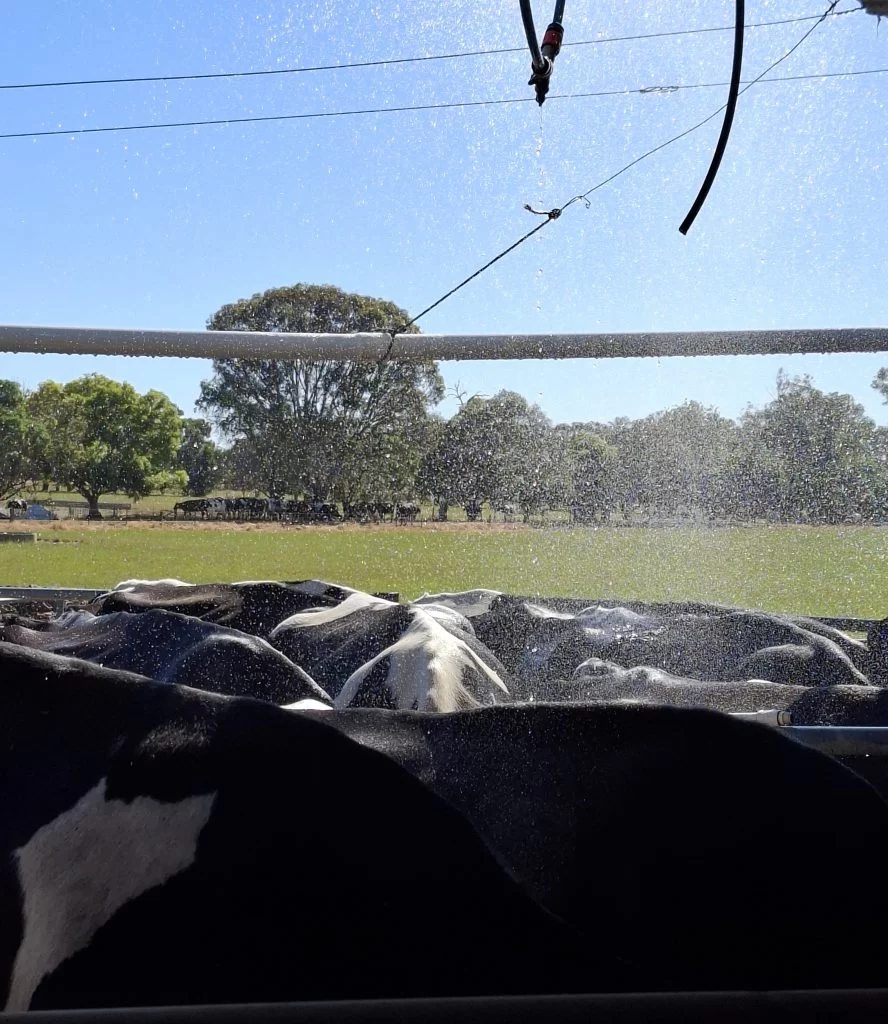
The project also aims to identify emerging adaptation strategies employed by farmers, including operational changes, heat-mitigation practices, and technology-based responses. This research is part of a broader initiative supported by Natural Hazards Research Australia, focusing on strengthening resilience to climate-related risks.
Research Assistant Amila Udage remarked, “Extreme heat is not only an environmental issue. It is increasingly becoming a labour, productivity, and economic challenge for agricultural businesses.”
The findings from the study could contribute to evidence-based policy development and improve preparedness planning. Participants are encouraged to provide diverse responses and may volunteer for follow-up interviews to discuss their experiences further.
Detailed information and the survey can be accessed at the CDU website. The participation of industry workers in this study will be critical to understanding and mitigating the impacts of heat on Australia’s agriculture.
This study is one of the few in Australia designed to examine the human and operational dimensions of heat impacts across multiple agricultural sectors. By focusing on sectors such as viticulture, cropping, and livestock production, the research aims to fill a major knowledge gap in understanding the real-world impacts of extreme heat on agriculture and food security.
The project investigates how heatwaves affect day-to-day farming operations, worker wellbeing, production systems, and adaptation decisions in the agriculture sector. Emerging adaptation strategies include operational changes, heat-mitigation practices, and future technology-based responses, particularly those enabled by digital technologies.
Last updated: 29 June 2026, 12:03 pm

