
Six-year-old in Riyadh receives liver graft from his father
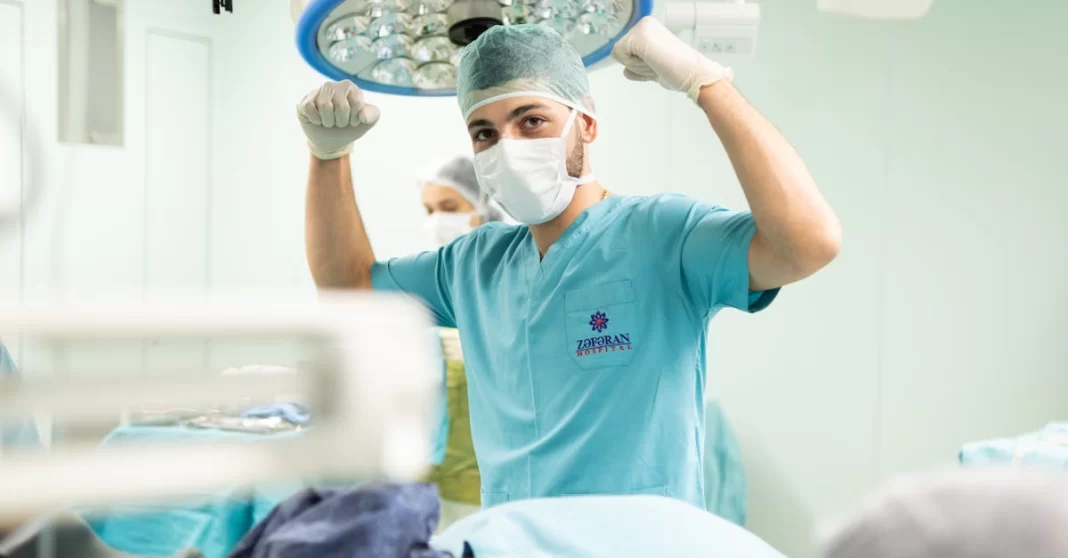
A six-year-old boy in Riyadh became the first patient in the world to receive a liver transplant using a single-port robotic system.
King Faisal Specialist Hospital and Research Centre completed the operation on 20th July 2026. Surgeons used the left lobe of the boy’s father’s liver.
Doctors reported good early recovery after the transplant. The liver graft was functioning well, and the team observed no complications.
The child had Wolcott-Rallison syndrome, a rare inherited disorder that causes early-onset diabetes and recurrent episodes of acute liver failure. Those attacks left him at repeated risk of life-threatening illness.
After a long and anxious period for the family, the father’s donation gave them new hope. The transplant addressed the most serious complication of the disease and may offer the boy a more stable life.
He will continue follow-up care for his genetic condition and associated diabetes. However, the operation reduced part of the medical and emotional burden on the family.
A single-port robotic system lets surgeons insert precision instruments and a high-definition 3D camera through one small incision. By contrast, conventional multi-port robotic surgery needs several access points.
Inside a six-year-old child’s body, that single entry point matters because the surgical field is very small. Surgeons had to handle blood vessels and bile ducts with extreme precision.
Using one port can reduce surgical impact, ease pain, and shorten recovery time and hospital stay.
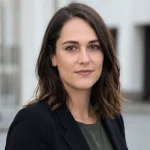
Prof. Dieter Broering
Prof. Dieter Broering, executive director of the Organ Transplant Centre of Excellence and leader of the surgical team, said success in this kind of procedure depends on more than technology. He pointed to careful patient selection, meticulous planning, and a team with experience across every stage of transplantation.
“The true value of surgical innovation lies in using technology to ease the burden on patients and their families, while upholding the highest standards of safety,” Broering said.
KFSH began its robotic liver transplant programme in 2023 with the world’s first fully robotic liver transplant. Since then, the hospital has performed 165 cases to date.
According to the hospital, that programme is backed by more than 1,700 robotic living-donor liver resections. Meanwhile, the accumulated case volume has helped KFSH expand robotics in highly complex transplant surgery.
The Riyadh centre said the programme also strengthens Saudi Arabia’s position in medical innovation and healthcare.