

India uranium deal prompts fresh call to lift ban
Australia’s uranium export deal with India has prompted Family First to renew its push for nuclear power at home. The party argues the Albanese Government supports nuclear technology for India while keeping Australia’s ban in place.
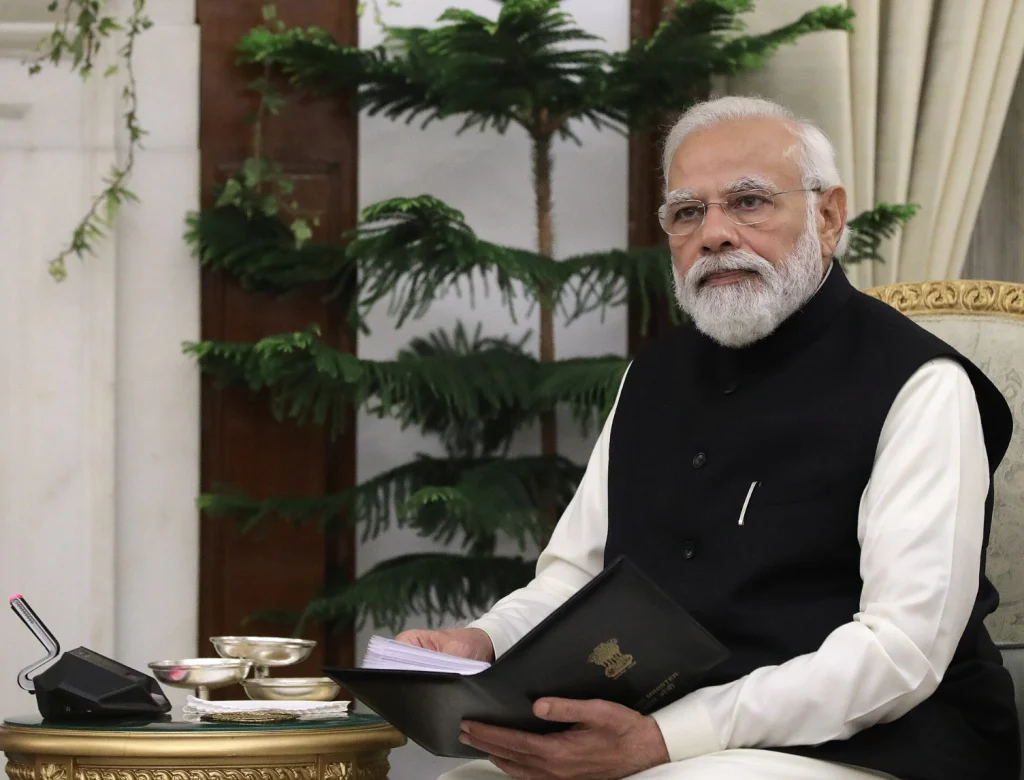
Family First National Director and NSW Legislative Council lead candidate Lyle Shelton tied the issue to Prime Minister Anthony Albanese’s visit with Indian Prime Minister Narendra Modi. Shelton described the policy split as a glaring contradiction in the leaders’ uranium agreement.
“It is extraordinary that Anthony Albanese is celebrating the export of Australian uranium to help power India’s future while denying Australians the right to use exactly the same technology here at home,” Shelton said.
Lyle Shelton and India’s 100GW plan
India plans to expand nuclear generation from 8.8GW to 100GW by 2047, according to Shelton’s remarks about Modi’s energy policy. Family First used that figure to argue that a major strategic partner sees nuclear power as reliable baseload energy.
According to Shelton, India wants affordable and reliable electricity to support manufacturing, artificial intelligence, industry and economic growth. In contrast, Family First says Australia is relying too heavily on wind and solar.
Shelton argued that Australian families and businesses face soaring electricity prices while governments pour billions of dollars into weather-dependent generation. As a result, Family First says Canberra should lift the ban on nuclear energy.
“If nuclear power is safe enough for one of Australia’s closest strategic partners, why isn’t it safe enough for Australians?” Shelton said.
Family First repeated its wider energy platform after the uranium deal. The party wants the Albanese Government to end subsidies for industrial-scale wind and solar, keep coal and gas in the energy mix, and add nuclear power to the system.
Australia holds about a quarter of the world’s known uranium resources, according to Shelton. He argued that the country treats uranium as an export product instead of using it for domestic power generation.
Meanwhile, Shelton said Australia is helping strengthen India’s economy with exported uranium while refusing to use the same resource at home. That comparison sits at the centre of Family First’s case against the current ban.
The party also renewed its opposition to the net zero agenda. Family First wants Australia to abandon that policy and replace it with a mix of coal, gas and nuclear power.
Albanese and Modi deepened energy ties through the uranium export arrangement. Following that deal, Family First turned the agreement into a domestic argument over whether Australian uranium should stay an export commodity or also fuel power generation in Australia.