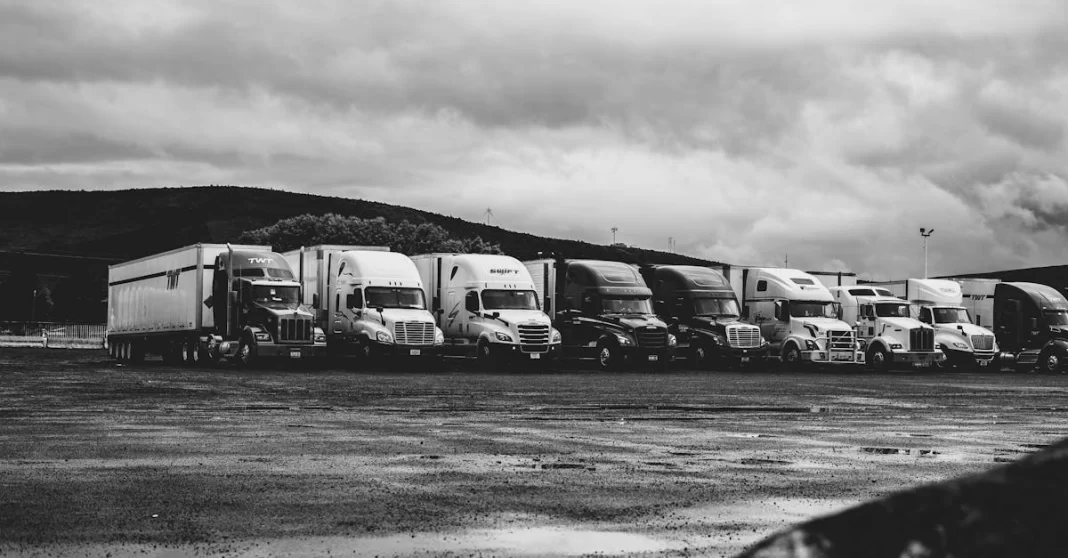
Industry Leaders Call for Stringent Fuel Standards
Peak industry bodies warn that poor-quality fuel entering Australia could damage trucks and disrupt critical supply chains, affecting the NSW freight industry. Road Freight NSW (RFNSW), the Refrigerated Warehouse and Transport Association of Australia (RWTA), Bus Industry Confederation (BIC), Waste Contractors and Recyclers Association of NSW (WCRA), International Freight Forwarders and Customs Brokers Association of Australia (IFCBAA), and Fuel and Infrastructure Management Australasia (FIMA) are concerned about fuel variability as the crisis worsens. Simon O’Hara, CEO of RFNSW, stated, “The issues are not limited to price and supply but also include quality.”
Emergency imports may consist of fuels with sulphur content higher than Australia’s standard of less than 10 ppm, posing risks to modern heavy vehicles. O’Hara explained, “Even minor changes in fuel quality can lead to engine damage, blocked filters, and operational downtime.” Scott Carson, CEO of the IFCBAA, stressed the necessity of maintaining strict standards. He remarked, “It is imperative that strict, standards-based monitoring of emergency fuel imports into Australia is maintained during this crisis.”
Potential Risks from Poor-Quality Fuel
Fuel and Infrastructure Management Australasia (FIMA) supports calls for action, indicating that ensuring fuel quality is essential for the ongoing stability of the supply chain. Marianne Kintzel, RWTA Executive Officer, mentioned, “Maintaining refrigeration across transport and storage is crucial for the cold chain.” She highlighted the importance of fuel consistency to avoid risks such as equipment failure, temperature breaches, and food loss.
Freight operators are already experiencing the impact of poor-quality fuel. Reports indicate increased concerns about fuel quality, with warnings against poor storage practices that could worsen the situation. The involved organisations urge the government to prioritise fuel quality assurance. They recommend that operators adopt proactive fuel management strategies to mitigate risks.
Meanwhile, the Bus Industry Confederation (BIC) and the Waste Contractors and Recyclers Association of NSW (WCRA) also voiced their concerns. They emphasised that reliable fuel supply and quality are equally critical for maintaining operations without disruption. As Australia grapples with these challenges, industry leaders call for immediate and stringent action to safeguard the nation’s transport and logistics sectors.
Last updated: 29 June 2026, 12:25 pm