

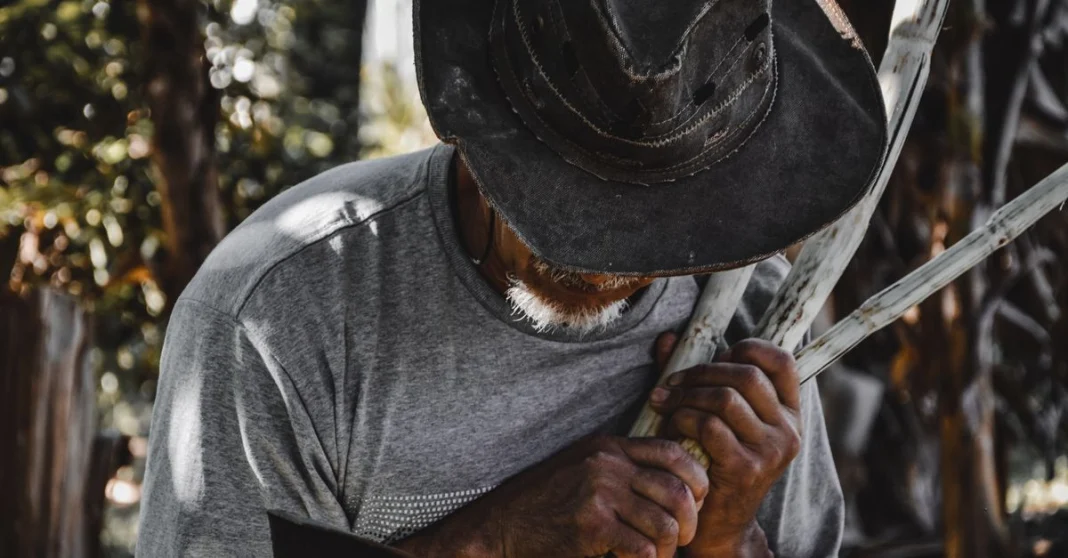
Only 11% saw media images matching their own retirement plans
Only 11% of HESTA members surveyed believed the retirement shown in media reflects the retirement they expect for themselves.
HESTA published the findings on 17 September 2026. The fund contrasted common online images of retirement, including cruises, golf, beaches and bowls, with a more cautious picture from members.
One-third of respondents said cost-of-living pressures had affected their ability to manage their superannuation. The survey also found members want to retire at 66 on average.
That age is one year before Australians can claim the age pension. It is also six years after they can start accessing their superannuation savings.
HESTA Chief Experience Officer Lisa Samuels said there was “a significant gap between the stock image of retirement and the reality most Australians are facing into”.
She said retirement looks different for each person, while many Australians want more support to retire on their own terms.
More than 2.5 million Australians are expected to retire over the decade ahead, according to HESTA. Samuels said many people are focused on getting through 24 September 2026 rather than planning years ahead.
HESTA also pointed to older Australians who want to return to work later in life. The fund said they are doing that to support their finances or stay connected to their communities.
Age Pension Income Test changes sought
Among the changes HESTA is calling for is removing employment income from the Age Pension Income Test. The fund argues that would let pensioners work more and keep more of what they earn.
HESTA also wants super funds to prompt members toward specific retirement products. It says that would support a more timely move into suitable products.
When members were asked for words linked to retirement, the most common were “comfortable”, “time”, “happy” and “work”. Samuels said members also made several references to feeling “anxious”.
Those responses did not match the leisure-based retirement imagery HESTA highlighted. Instead, they pointed to financial pressure, ongoing work and a search for stability.