

Algorithm completed first-session collection for 94.9% of donors
King Faisal Specialist Hospital and Research Centre in Jeddah has introduced an algorithm-based stem cell collection protocol that completed collection in the first session for 94.9% of donors and for 100% of male donors.
On 7 July 2026, the hospital in Jeddah described the protocol as the first of its kind in the world. The system estimates the expected stem cell yield for each donor before collection begins.
As a result, third and fourth collection sessions were eliminated altogether. Figures from the U.S. National Marrow Donor programme show repeat sessions raise a donor’s likelihood of hospitalisation for recovery sixfold.
Ashraf Dada and 138 donors
Researchers developed the algorithm over three years and tested it on 138 donors. It predicted the likely cell yield for the opening collection session with close to 92% accuracy.
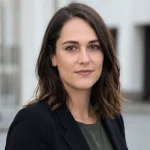
“Sparing healthy donors from repeated stem cell collection sessions is both a clinical and an ethical priority,” Professor Ashraf Dada, chair of the Department of Pathology and Laboratory Medicine at KFSH Jeddah and the study’s principal investigator, said.
For clinical teams, the forecast supports advance planning of the collection process and can speed treatment for patients awaiting a transplant. KFSH Jeddah said the approach improves the donor experience and reduces repeat procedures.
For patients receiving transplants, survival reached 91.2% at 100 days after transplant. KFSH Jeddah said that rate is above the global average and is a key marker of early recovery.
The findings were published in Blood Global Hematology, a journal of the American Society of Hematology. According to KFSH Jeddah, the project forms part of a wider push to use data and scientific analysis to tailor care to each donor and recipient.
King Faisal Specialist Hospital & Research Centre ranks first in the Middle East and Africa and 12th worldwide among the top 250 academic medical institutions for 2026. Brand Finance also named it the most valuable healthcare brand in Saudi Arabia and the Middle East for 2026.
Meanwhile, Newsweek included the organisation in its 2026 lists of the World’s Best Hospitals, World’s Best Smart Hospitals and World’s Best Specialised Hospitals.