

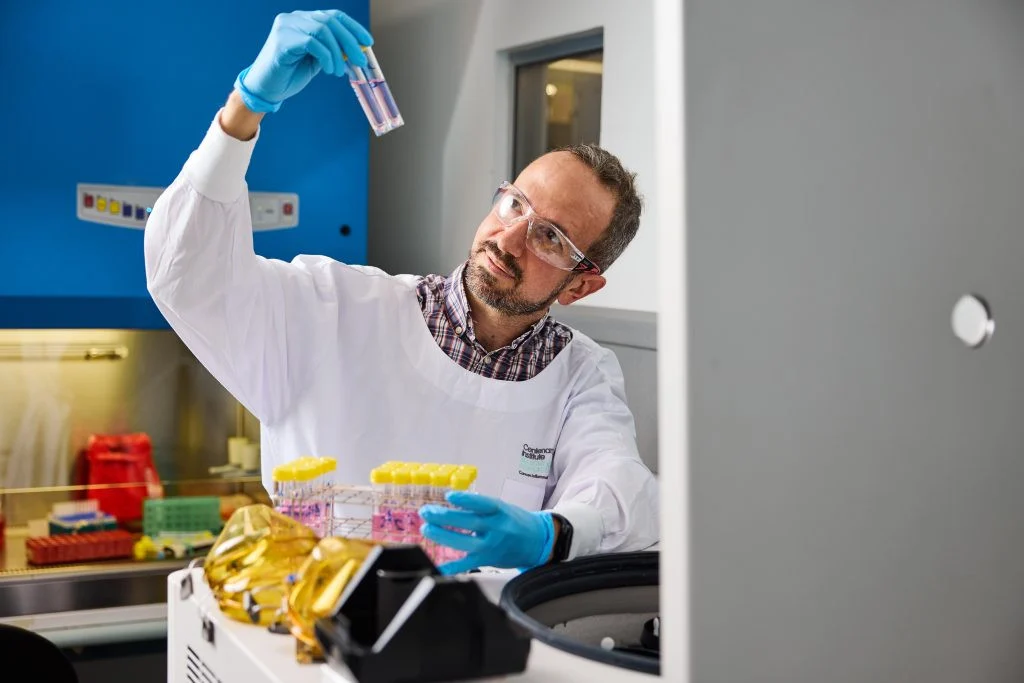
BCG altered to target immune cells improved lung protection
Researchers from the Centenary Institute and the University of Sydney have developed a modified tuberculosis vaccine that delivered stronger and longer-lasting protection in preclinical tests in mice.
The vaccine is a modified form of BCG, which is currently the only available vaccine against TB. The study appeared in the journal Vaccine on 15 September 2026.
Tuberculosis is caused by Mycobacterium tuberculosis and remains a major global health problem. It causes around 1.2 million deaths worldwide each year.
BCG protects infants and young children against severe forms of TB, but its effectiveness varies and it offers only limited protection for adults.
Modified BCG targets dendritic cells
The team focused on dendritic cells, which help the body recognise threats and activate other immune cells. These cells also play an important role in switching on T cells, which coordinate the response to infection.
To improve that process, the researchers genetically modified BCG to produce an antibody fragment that binds to DEC-205, a receptor on the surface of dendritic cells.
Lead author Dr Claudio Counoupas from the Centenary Institute’s Centre for Infection and Immunity said: “Our experiments showed that the modified BCG was taken up more effectively by dendritic cells and stimulated greater immune activity, including a stronger response from T cells, with more T cells producing multiple immune signalling molecules.”
According to the team, that stronger immune response was linked to better protection against TB in the lungs. The protection also lasted longer than the protection seen with standard BCG in the mouse model.
Senior author Professor Jamie Triccas from the University of Sydney said BCG has been used for more than 100 years, yet researchers still need vaccines that provide stronger and more sustained protection against TB.
Triccas said the results showed that targeting BCG to dendritic cells improved protective efficacy in this preclinical model. However, he added that more work is needed to determine whether the approach can improve protection against TB in people.
The researchers are continuing work to further optimise the modified BCG vaccine as they investigate ways to improve the effectiveness of TB vaccination.