

New handbook outlines energy options for farms and small businesses
RE-Alliance and Farmers for Climate Action have released a guide for rural and regional businesses before a federal solar incentive change on 1 October 2026. The guide helps farmers and other small-business owners compare ways to cut power costs, reduce exposure to diesel prices and gain more control over energy supply.
Electrifying the regions: A practical guide to electrification options for regional and rural businesses covers solar, batteries, electric machinery, heating, stand-alone power systems, microgrids and energy trading. It targets operators facing rising power bills, volatile diesel prices and unreliable supply.
RE-Alliance board director and report co-author Karin Stark said regional businesses already use different options to lower costs and manage supply risks. She said the guide explains the main choices in plain English, where they work best, their benefits, their limits and the questions owners should ask before investing.
Solar support expands on 1 October
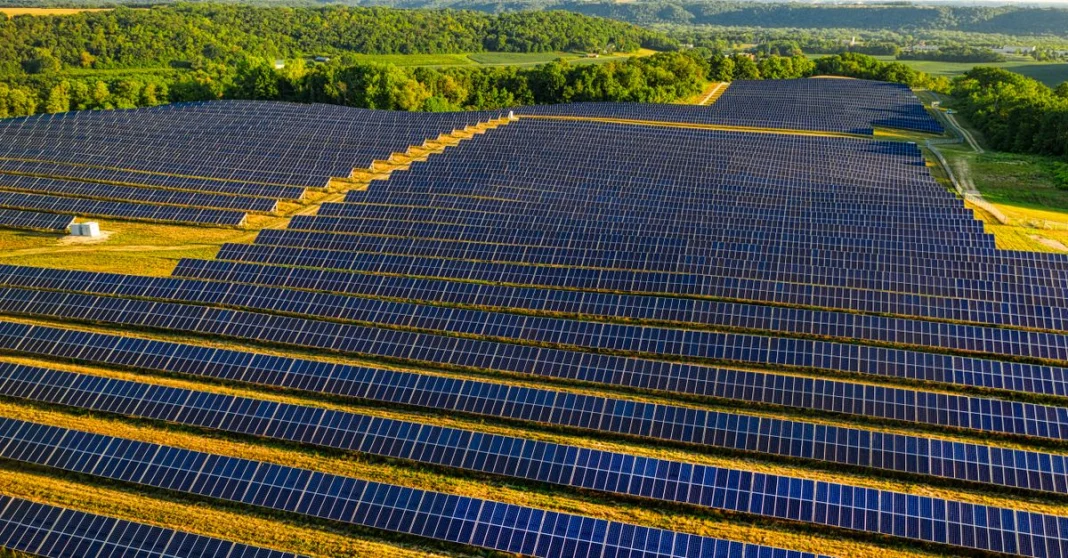
Meanwhile, the federal government plans to expand the Small-scale Renewable Energy Scheme from 100 kW to 1 MW on 1 October 2026, subject to the necessary regulations being in place. The organisations say the change is expected to cut the upfront cost of eligible mid-sized solar installations by around 20%.
Stark said the wider scheme could make solar add up for more farms and regional businesses. However, she said no single option will suit every business or every region. For some sites, a first step could be solar or an electric pump. For others, battery storage, electric machinery or a stand-alone power system may fit better.
Farmers for Climate Action CEO Verity Morgan-Schmidt said farmers wanted technology that could make businesses more efficient, resilient and competitive. She said electrification choices should meet the same test as any other farm investment, with costs, benefits and limits weighed carefully as machinery, vehicles and energy systems change.
The organisations have published the guide and accompanying images online. Energy Consumers Australia funded the project through its grants program.
RE-Alliance and Farmers for Climate Action did not disclose a price for the guide. They also did not name any individual farms or regional businesses already using the technologies listed in the publication.