


Mortal Kombat II eschews proper narrative and character development in favour of excessive fan service and a disappointingly lifeless aesthetic.
Mortal Kombat II kicks off with a lengthy flashback that dives into the origin story of Kitana (Adeline Rudolph; Sophia Xu as young Kitana). For all the colourful sets used, it’s not exactly exciting as the blocking and tone feel more akin to a daytime soap opera than a big-budget blockbuster. There is a decent fight scene involving the main antagonist, Shao Kahn (Martyn Ford), that ends with a bloody fatality finish that’s sure to satisfy fans of the video games.
But as soon as the ‘Mortal Kombat’ title card comes up, there’s no ‘2’ or ‘II’ to be found. It’s immediately clear that this movie wants us to forget all that happened in the 2021 reboot. In fact, Mortal Kombat II is downright embarrassed to be following up on its unexpectedly successful predecessor because this is an IP movie that’s overly pandering to fans of the franchise.

In a very interesting turn of events, producer Todd Garner appears to have known what was coming well ahead of time because he came out swinging against the initial wave of mixed reviews for Mortal Kombat II, tweeting *checks notes*:
‘It’s clear [reviewers] have never played the game and have no idea what the fans want or ANY of the rules/canon of Mortal Kombat. One reviewer was mad that a guy ‘had a laser eye!’ Why the f**k do we still allow people that don’t have any love for the genre review these movies! Baffling.’
To be fair to him, he has since deleted that tweet and apologised for his overeager defensiveness over the movie, admitting that ‘no one is above criticism’. Look, I understand wanting to defend something that many people worked really hard on. But stifling constructive criticism isn’t good for anyone, and so I speak honestly as someone who has played the games and also loves movies: I sincerely hope that Mortal Kombat II was truly, as they like to say, ‘made for the fans’ because that is the only subset of moviegoers who would appreciate what was going on in this barely-there movie.
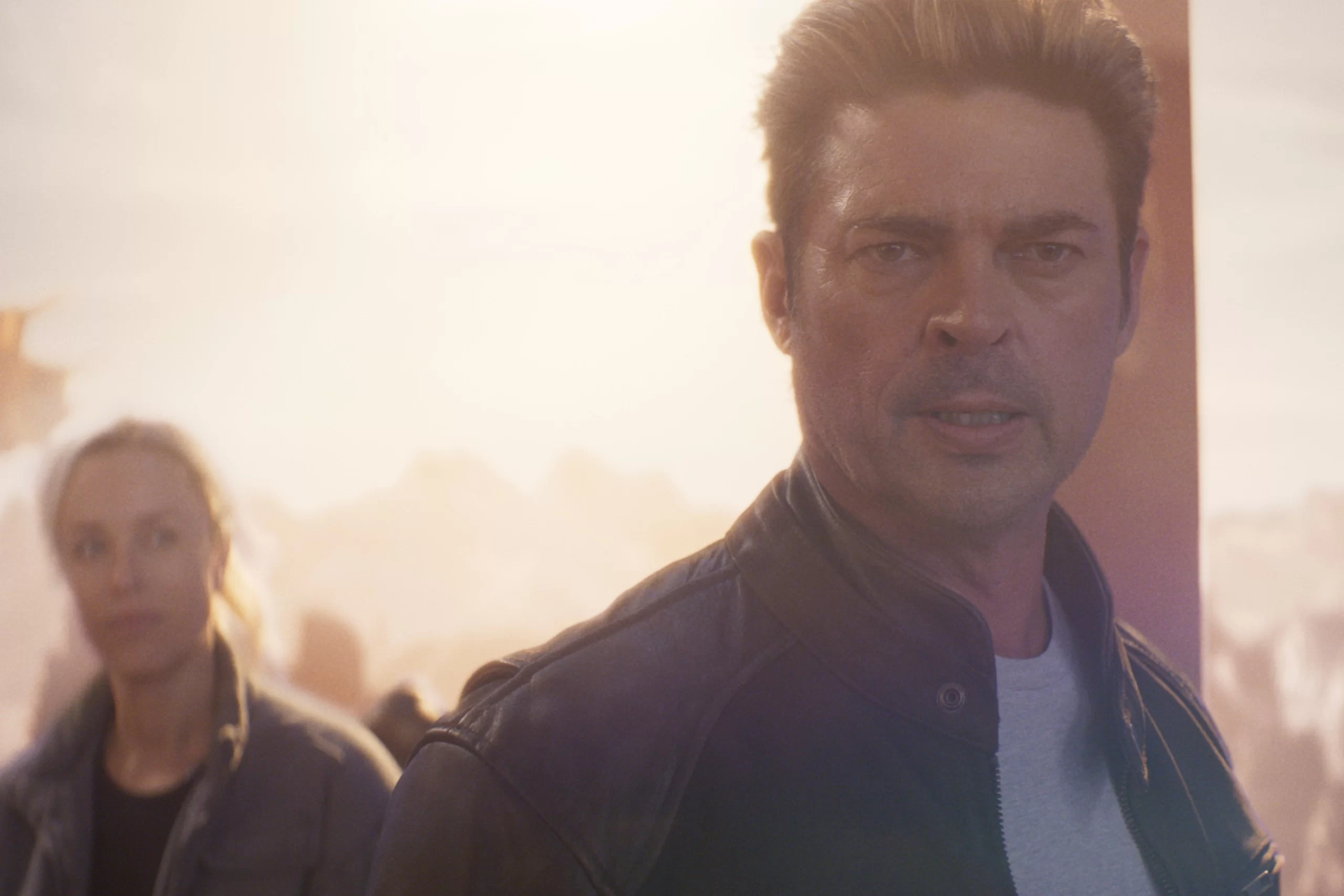
The sequel picks up where the first movie left off and rapidly introduces every important character, the groundwork for the movie’s titular realm-controlling fighting tournament, and any remaining lore we need to know using new audience surrogate character and video game fan favourite Johnny Cage (Karl Urban).
There’s plenty of ‘stuff’ that happens in Mortal Kombat II, but it all serves as narrative patchwork to string together the movie’s many action and fight scenes. Eschewing even the slightest bit of proper characterisation, every single character, new and returning, operates in two modes: delivering exposition in an overly serious tone or dropping several pop culture references in rapid succession that elicit mild chuckles.
The result is a script that has no idea what it wants to be. Is it trying to be overly serious or as campy as the video games (or the 1995 movie adaptation)? In trying to juggle both, it succeeds at neither. The serious stuff feels like soap opera cosplay, while the campy material comes off as try-hard edgelord-y, almost like the screenwriter is guessing how a gamer would talk in real life.
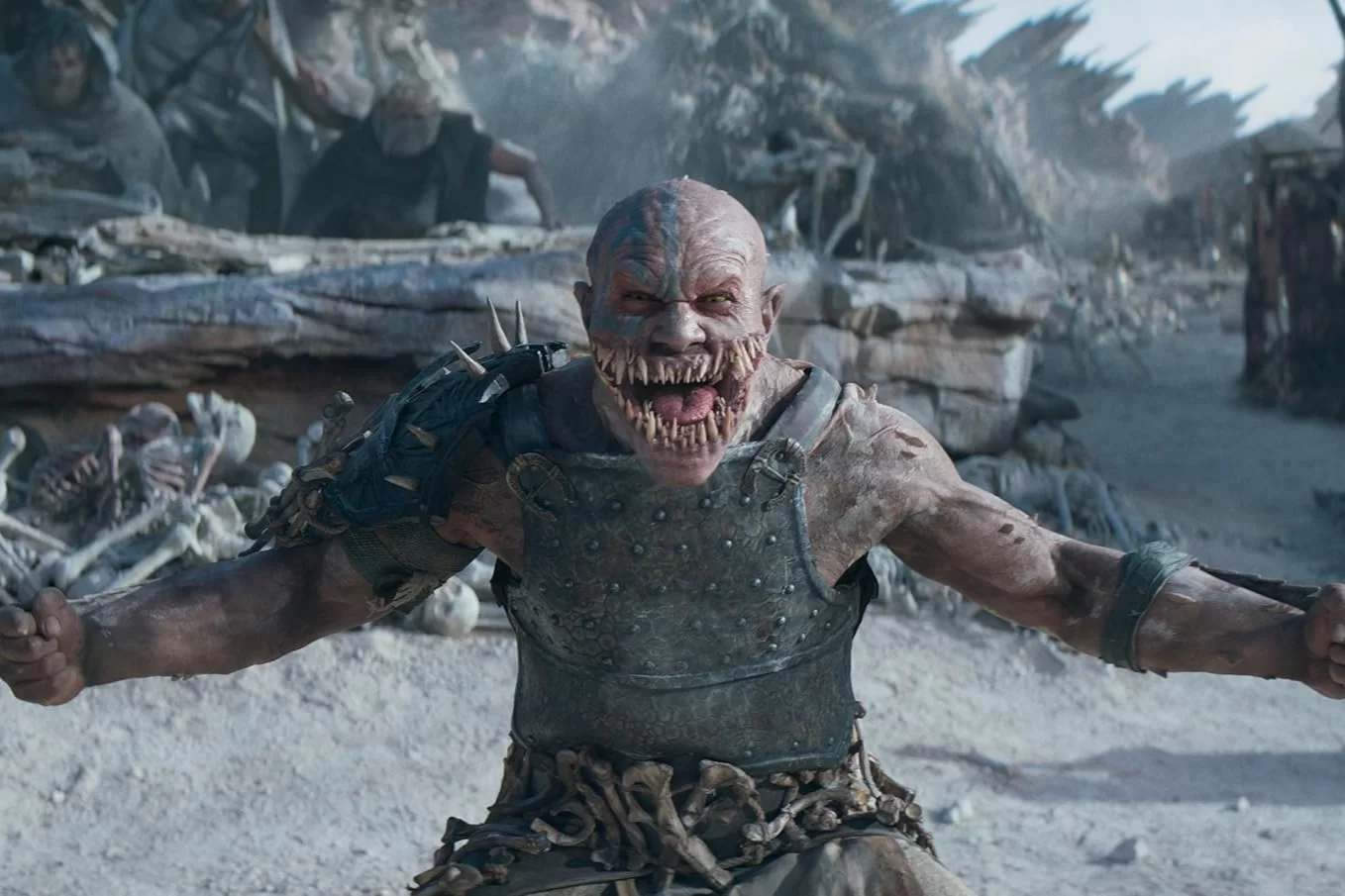
The lacklustre writing bleeds into the performances as some are serviceable, while others are downright bad. The group scenes are often the worst, as it feels like all the actors are in a different movie to each other. At one point, I was wishing for Kung Lao (Max Huang) to use his razor-brimmed hat on me so I could be spared the worst of the line readings. No fault of the actors, though, who are clearly doing the best they can. Only the always-entertaining Karl Urban manages to balance the camp with fleeting moments of random seriousness, and Josh Lawson is once again having the time of his life as the overly-Aussie Kano.
With Mortal Kombat II banking so much on the action sequences, it’s an absolute shame that they all look underdeveloped. Director Simon McQuoid is clearly trying to evoke iconic settings from the video games, such as acid moats and Satanic dungeons with bloody pikes sticking out everywhere. But everything looks weirdly cheap and overly computer-generated, which isn’t a slight against McQuoid’s credibility because he’s shown that he knows this franchise well enough. It’s just that the execution doesn’t land as well as its ambitions. If the window dressing isn’t distracting, then the fight choreography will be.
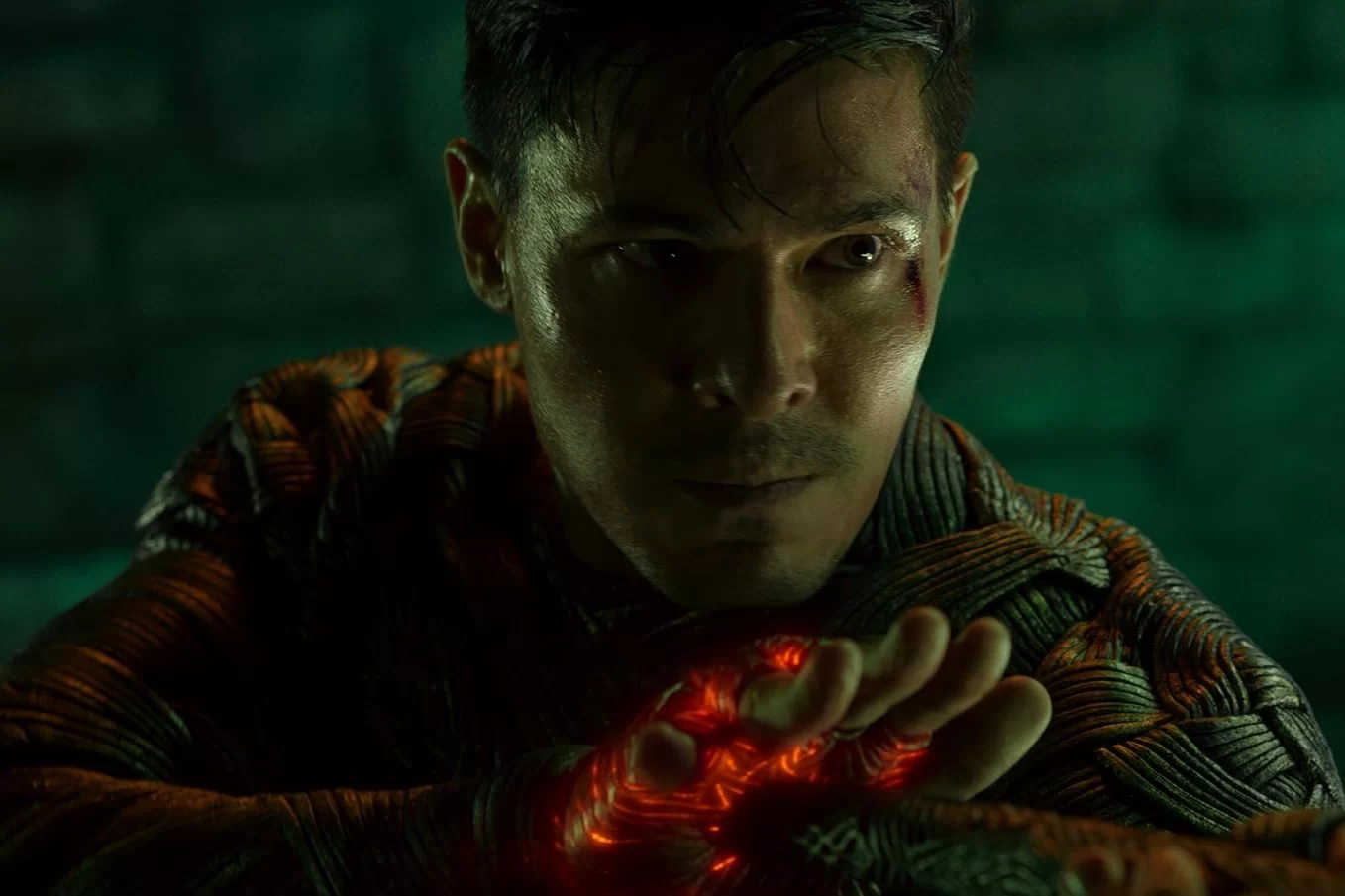
Certain actors are clearly much better at fighting than others, as they’re given long, unbroken sequences with muscle-stretching moves and gravity-defying leaps. But others are simply not as athletic and the editing style switches from Steadicam long takes to rapid-fire cuts. It’s a bit jarring but understandable why this was done, even if it is to the movie’s slight detriment. That being said, there’s nothing distracting or cheap when it comes to the live-action renditions of Mortal Kombat’s infamous fatalities, which are admittedly quite fun to watch unfold.
All this adds up to a 116-minute movie that is going through an identity crisis, all while desperately begging Mortal Kombat fans to like it. While the various nods and references to the video games will spark something among the faithful, general moviegoers are given very little to latch onto because the elements that made the franchise so popular within the culture have been lost in the shift from game to movie.
But at the end of the day, Mortal Kombat II fits into that Venn diagram of being a mediocre movie that’ll likely score with the target audience (i.e. fans of the game series) while also being brain-rotting entertainment that requires no thinking. This was never going to be an ambitious drama that takes swings at some heady ideas, a deliberately provocative piece, or even mainstream populist fare that also has something important to say.
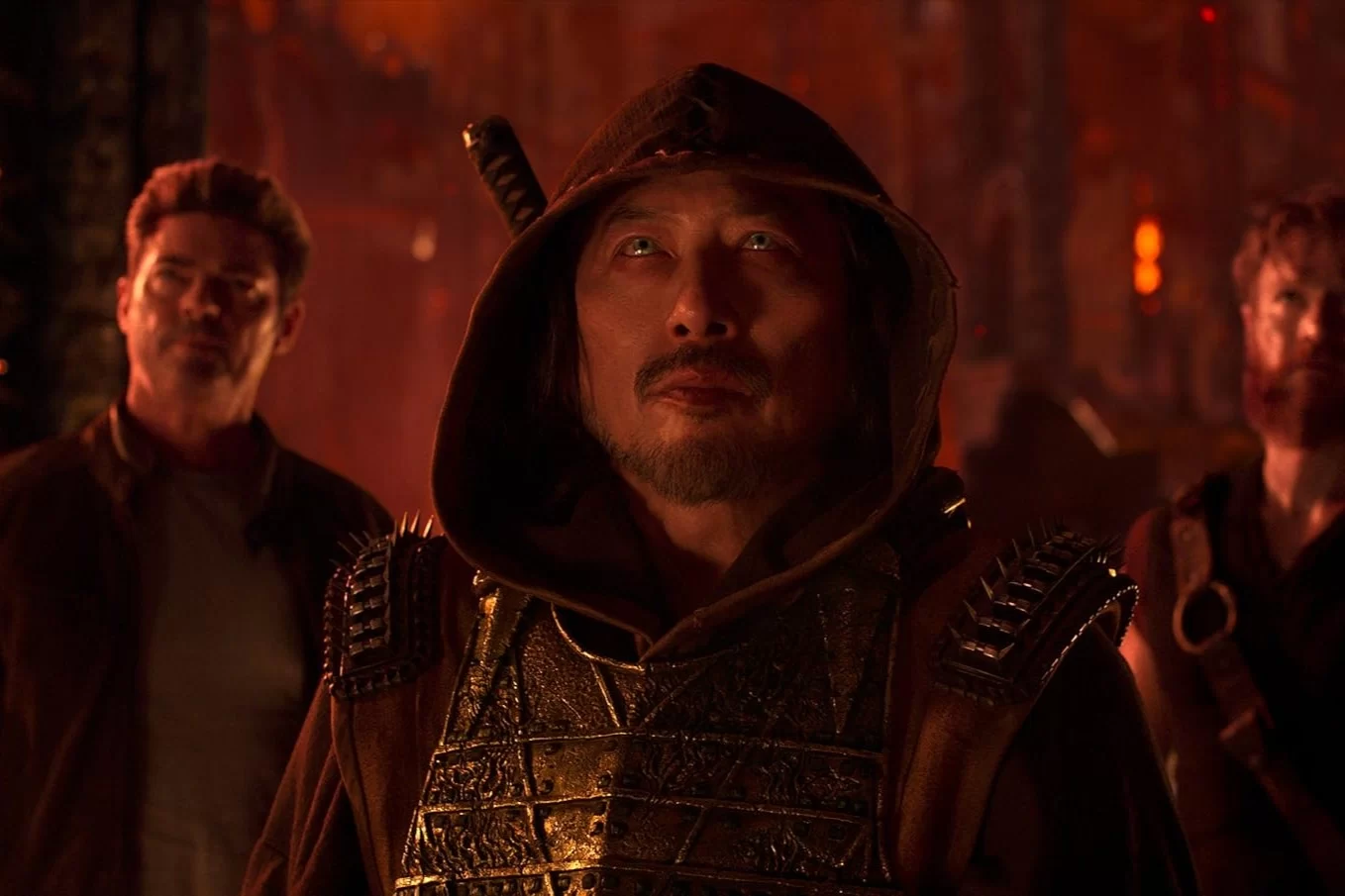
I cannot defend any aspect of this movie, whether it’s the action, script, acting, or direction. Yet, when I wasn’t cringing at the poor line readings or pop culture references, I was doing the Leonardo DiCaprio pointing meme at the various little Mortal Kombat Easter eggs. When Hiroyuki Sanada shows up briefly as Scorpion and yells ‘get over here’, my cinema audience cheered. The filmmakers knew exactly the kind of movie they were making and who they were trying to appeal to.
There was always going to be a ceiling to how good Mortal Kombat II could be, especially given the state of pandering to core fans that’s prevalent in IP filmmaking circa 2026, but even I was surprised at how creatively bland this movie was. Despite all the lip service paid towards ‘pleasing the fans’, this is yet another obnoxious cinematic fatality where Hollywood once again jumps on the IP bandwagon without understanding what made the source material popular in the first place.