

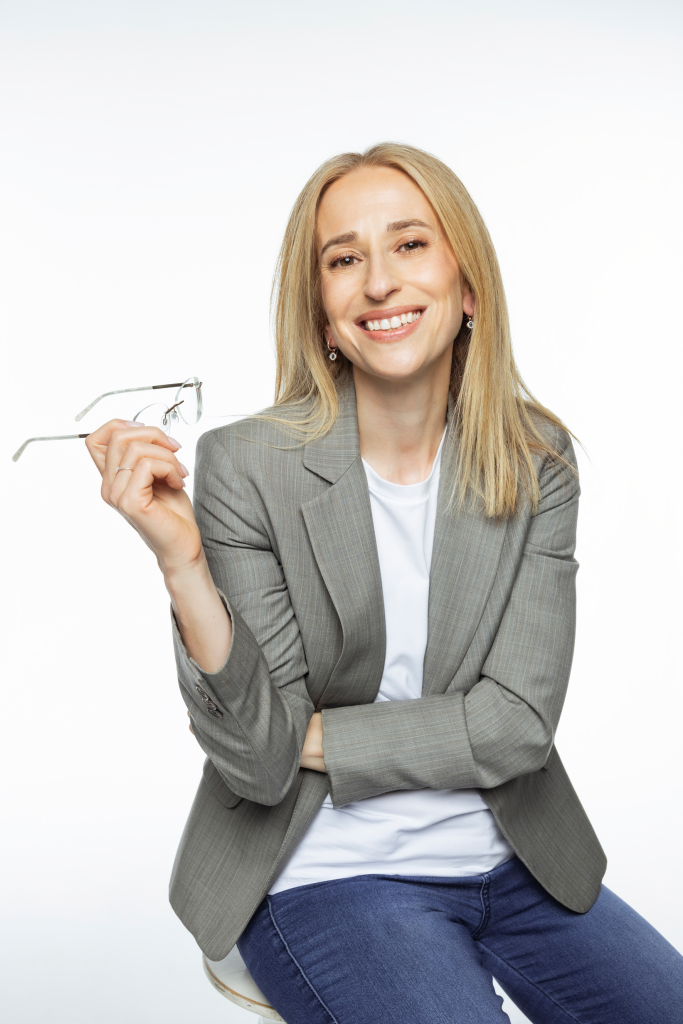
Kate Ashmor links primary schools to Australia's AI response
STEM education in primary schools is being pushed as part of Australia’s response to artificial intelligence after the Prime Minister outlined the country’s AI approach on 30 July 2025.
Kate Ashmor, founder and chair of the Tom Ashmor Foundation, argues the debate has focused on regulation, infrastructure, energy and copyright. However, she says Australia also needs to start much earlier than university labs and lecture theatres.
“It begins in primary school,” Ashmor said.
Ashmor links that case to sectors named in the national AI debate, including healthcare, education, manufacturing, defence and the way people work. Because AI is expected to reshape those fields, she argues schools should build skills that software cannot replace.
Her article says STEM education is too often framed around workforce shortages and future jobs. Instead, she argues strong STEM teaching also builds curiosity, resilience, creativity, critical thinking and confidence.
Children starting school in 2025 will enter a workforce that Ashmor describes as largely unimaginable. Many of their future jobs, technologies and challenges do not yet exist.
As a result, Ashmor argues early investment in curiosity and creativity is an economic and productivity issue as well as an education policy question. She points to habits such as asking questions, experimenting, making mistakes and trying again.
“These are the human skills that AI will never replace,” Ashmor said.
Three Victorian public primary schools
The Tom Ashmor Foundation invests in STEM learning environments in public primary schools. Since launching, it has created STEM classrooms in three Victorian public primary schools.
Ashmor’s article says the foundation was set up to inspire curious young minds through practical STEM learning. She argues innovation starts with children being given room to explore, imagine and discover.
The piece also ties early learning to national economic planning after the Prime Minister’s 30 July 2025 announcement. Rather than leaving AI policy to research centres and industry settings, Ashmor wants public primary school classrooms included in the response.
She calls on parents, educators, businesses, philanthropists and governments to widen access for every Australian child. According to Ashmor, that would help children build and lead AI rather than simply consume it.