

Rabobank Highlights Export Market Strength
Australia’s beef industry is poised for a robust year in 2026, bolstered by strong global demand, despite record production levels, according to Rabobank’s Australian Beef Seasonal Outlook 2026.
From Rabobank’s RaboResearch division, while high cattle inventories and peak slaughter volumes present risks, international demand, particularly from the United States, is sustaining export prices.
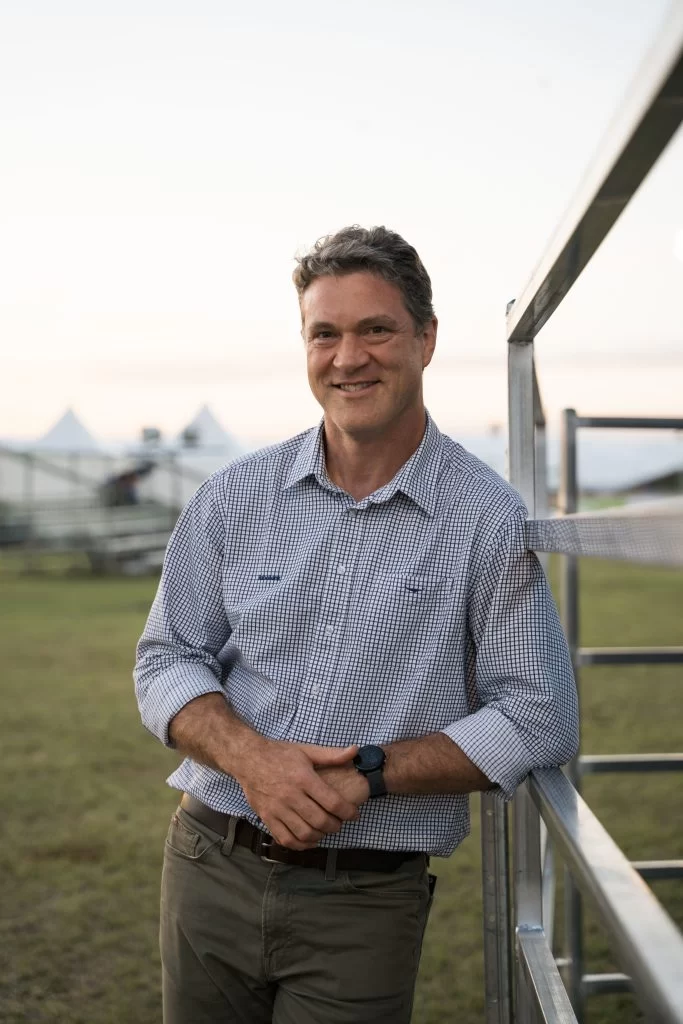
Senior animal proteins analyst Angus Gidley-Baird from RaboResearch stated, “Favourable seasonal conditions have allowed the Australian cattle industry to reach a cyclical peak in inventory levels. This will generate record cattle slaughter and production volumes in 2026.”
Challenges and Market Dynamics
Although the Middle East conflict poses potential disruptions, particularly through increased fuel and freight costs, these factors are expected to have a limited impact on the overall Australian beef market, according to Mr. Gidley-Baird.
A new Chinese import quota for Australian beef in 2026, set at 205,000 tonnes, may influence market dynamics. Rabobank projects that this quota limit could be reached by mid-year, potentially leading to shifts in processor-buying activity.
The report also warns that dry seasonal conditions, like those currently affecting parts of New South Wales, could force producers to rapidly sell stock, adding pressure to an already high slaughter volume market.
Finished cattle prices are anticipated to remain steady at high levels, with heavy steer prices expected to hover around $4.50/kg live weight throughout 2026 and into 2027.
Despite inflationary pressures from the Iran war and rising interest rates, Rabobank’s Q1 2026 Rural Confidence Survey indicates that most Australian beef producers expect incomes to remain stable this year.
High cattle inventory and record slaughter volumes mean Australia is operating close to its maximum processing capacity. Current weekly slaughter numbers are around 160,000 head, nearing historical highs of 178,000 head seen in 2014.
If seasonal conditions lead to an additional 10 to 15% of cattle entering the market, as experienced in 2013 and 2018, it would put serious pressure on the system’s capacity to keep up.
Last updated: 29 June 2026, 12:10 pm

