

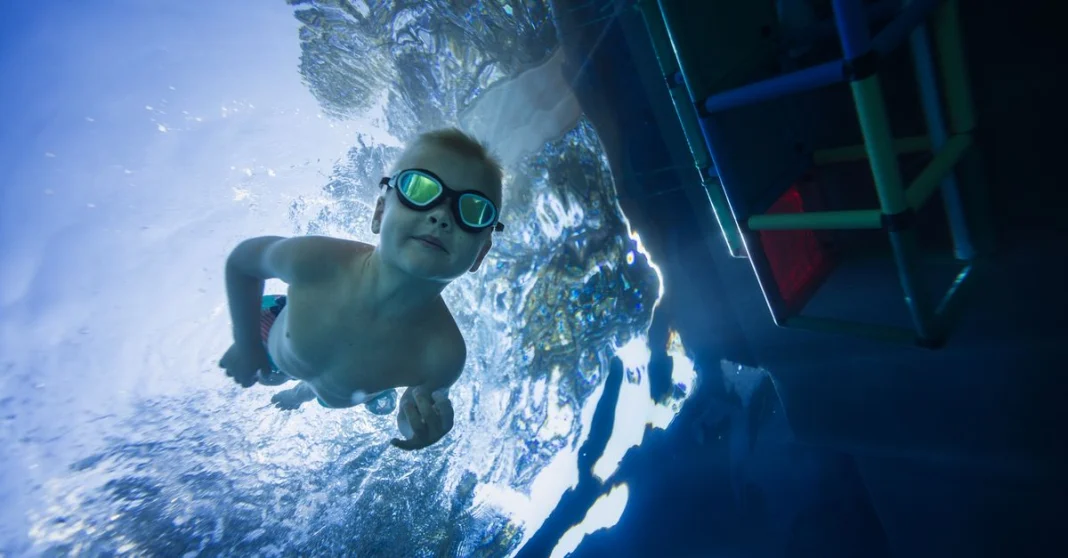
Swimming education falls to 7.5 hours a year
Swimming education in Australian schools has shrunk to 7.5 hours a year, while 31% of schools no longer offer learn-to-swim programmes at all.
Royal Life Saving Australia published those figures in the Children’s Swimming & Water Safety Skills Report 2025.
The 2025 report also found that one in four schools no longer conduct a swimming carnival.
Cost of lessons, limited staff resources and capability, and lack of curriculum time were the main barriers named by schools.
Meanwhile, almost half of Australian Year 6 students are estimated to leave primary school without meeting the National Swimming Benchmark.
That estimate shows a clear skills gap before many children reach secondary school.
Willowdale launch on 18 July
Aquabliss Swim School will open a new site in Willowdale on 18 July to serve families and schools across South West Sydney.
Nitin Singhi, managing director of Aquabliss, said schools do vital work but face tight limits on time, staffing and budgets.
“We should never expect schools to carry the responsibility alone,” Singhi said.
Aquabliss argues that swimming education should be shared by schools, families and community providers.
According to Royal Life Saving Australia, many children stop swimming lessons between ages seven and nine.
However, the same research found swimming ability shows little improvement after Year 7 for children who fall behind earlier.
That pattern means children who stop lessons in primary school may miss a key stage for building water safety skills.
Aquabliss urged parents to keep children in lessons beyond school programmes and to encourage regular swimming through the year.
The swim school also advised families to seek community-based options that complement classroom learning.
Since schools now average only 7.5 hours a year for learn-to-swim programmes, extra practice outside class can fill part of the gap.