

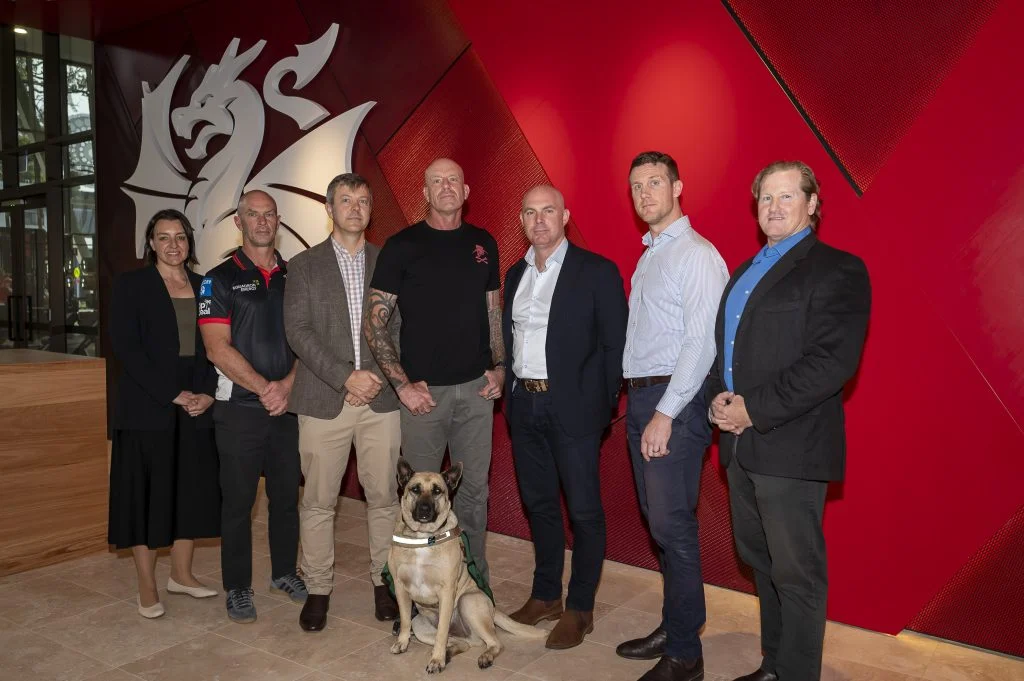
Trial veteran brain health model targets blast injury
Wollongong-based Aeternal Group has launched a veteran brain health programme to detect and manage traumatic brain injury linked to blast overpressure in Australian veterans.
The programme is called the Veteran Brain Health Intensive, or VBHI. Aeternal Group describes VBHI as the first multidisciplinary model of its kind in Australia.
Conservative estimates indicate about 3,000 to 6,000 Australian veterans live with persistent symptoms consistent with traumatic brain injury. The real figure is likely higher because cumulative blast exposure often goes unrecorded during service.
Blast overpressure refers to the pressure waves produced by weapon discharge. After repeated exposure over years of service, those waves can affect brain health even without one diagnosed injury.
Symptoms linked to blast-related traumatic brain injury include insomnia, depression, headaches, hearing loss, memory loss, functional changes, mood changes, early onset dementia and an increased risk of suicide.
VBHI also aims to separate traumatic brain injury from post-traumatic stress disorder, or PTSD. In many cases, overlapping symptoms are wrongly tied to PTSD rather than TBI.
Instead of sending veterans to multiple appointments, VBHI assesses cohorts in one location. A multidisciplinary clinical team then carries out a coordinated and fast-tracked assessment.
The model also involves veterans’ families in care and recovery. Aeternal Group built that family role into the programme from the start.
Andrew ‘Horse’ Hudson trial
Aeternal Group recently trialled VBHI at the St George Illawarra Dragons’ Community and High Performance Centre in Wollongong.
Ex-SAS soldier Andrew ‘Horse’ Hudson became the first participant in the Wollongong trial. Hudson will mentor future cohorts in the programme.
Hudson said, “During my 22 years of service in the Australian Army, I was exposed to countless blasts capable of causing brain damage. Finally, 11 years post discharge, being clinically assessed for this has been reassuring.”
His 22 years in the Australian Army and assessment 11 years after discharge highlight a wider record-keeping problem. Because exposure can build over years and go unlogged, many veterans may live with symptoms without a clear brain injury assessment.
Aeternal Group developed VBHI using international best practice in veteran brain health assessment. The model also draws on an established United States programme.
Meanwhile, defence and veteran health authorities in the United States, United Kingdom and Canada increasingly treat cumulative blast exposure as a distinct brain health risk. In those countries, assessment can start from exposure history rather than a single diagnosed event.
In Australia, the prevalence of blast-related traumatic brain injury remains unknown. However, the Wollongong programme aims to improve detection, assessment and care for a condition that remains under-recognised and under-managed.