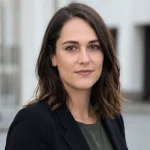


UNSW researcher says collective trauma reshapes trust
Collective trauma can affect whole communities long after a mass shooting, war or natural disaster, according to UNSW Sydney researcher Dr Gulsah Kurt.
Australians in 2026 marked 30 years since the Port Arthur massacre, days after ANZAC Day and months after another contested Australia Day. Those anniversaries arrived after the Bondi mass shooting in 2024 and amid ongoing global conflict and disasters.
“Collective trauma is a shared, large-scale event that impacts the psychological, social and physical wellbeing of large groups and communities – whether this is a mass shooting or violence, war, or natural disaster,” Dr Kurt said.
Dr Kurt is a clinical psychologist and postdoctoral research fellow in Psychiatry and Mental Health at UNSW Sydney. She said collective trauma differs from individual trauma because it disrupts safety, trust and social bonds across a community.
Families, first responders and local communities can carry the effects alongside direct survivors. According to Dr Kurt, shared storytelling, media coverage and public rituals can also pass those effects to people born decades later.
Anniversaries, locations and memorials can trigger distress because traumatic events are often tied to time, place and bodily sensations. Media coverage can also revive the same emotional intensity years later.
Australia Day is one example of how one national date can hold sharply different meanings. For some Australians it signals pride and belonging, while for many First Nations people it is linked to dispossession and intergenerational trauma.
“People can have mixed feelings because the same event means very different things,” Dr Kurt said.
Born in Türkiye, Dr Kurt said she has lived through both natural and human-made disasters in what she described as a trauma-prone country. She also warned that isolation and loneliness can become a second wound after trauma, especially for forcibly displaced people.
Dr Kurt linked recovery to social connection, collective action and justice. She pointed to Australia’s gun law reforms after Port Arthur as an example of trauma reshaping public policy and public response.
First responders and peer supervision
First responders such as paramedics, police officers, firefighters and humanitarian workers face higher risks of PTSD, burnout and substance use. Some also experience moral injury when urgent decisions clash with deeply held values.
Dr Kurt also worked on research involving Syrian mental health workers in Türkiye and northwest Syria after the 2023 Türkiye-Syria earthquakes. The workers were already taking part in an online peer supervision programme before the disaster struck.
“Collective trauma can only be healed by the collective action of individuals, communities and governments,” Dr Kurt said.
That study found ongoing peer supervision helped buffer psychological distress after the earthquakes. Dr Kurt said community recovery depends on people as much as harm often begins with human actions.