Exploring Visual Research at CDU
Charles Darwin University (CDU) is hosting its biennial photography exhibition, ‘Photo Synthesis: CDU’s Research through the Lens,’ from 17th April to 9th May at the Midpul Art Gallery in Darwin city. This event provides insights into diverse research conducted at the university over the past two years.
The exhibition showcases visual research from various CDU faculties, featuring 20 images chosen by a panel of expert judges. These photographs were taken by academics during their research endeavours.
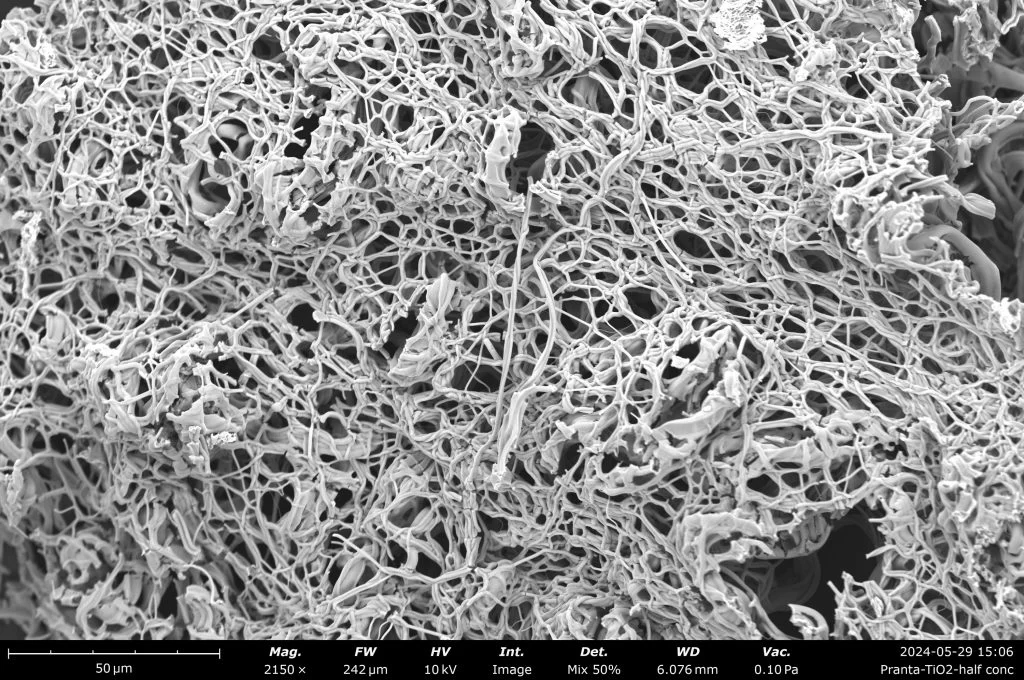
‘A Honeycomb Woven from Nanofibers’ by Pranta Barua from the Faculty of Science and Technology is among the featured works. It presents a web of titanium dioxide nanofibres, captured through a Scanning Electron Microscope, revealing the intricate world of nanotechnology.
Associate Professor Liam Grealy from the Menzies School of Health Research contributed ‘Washing machines for spare parts at Kalka, APY Lands.’ This image shows discarded washing machines on ancient soil, highlighting environmental and societal issues.
Dr. Chrystie Watson from the Faculty of Arts and Society provided a photo of Mont Blanc, the highest peak in western Europe. Her research explores the environmental impacts of mountaineering, capturing the majesty and challenges of such landscapes.
CDU Deputy Vice-Chancellor Research and Community Connection, Professor Steve Rogers, expressed his enthusiasm: “This initiative invites the public to see academia through a unique, compelling lens.”
Public Engagement and Voting
The public is encouraged to vote for their favourite photographs. The top three most voted images will earn a research credit for their creators. Voting is available both online and at the exhibition from 17th April to 5th May.
The exhibition is open at the Midpul Art Gallery from Wednesday to Friday, 10am to 4pm, and Saturday, 10am to 1pm. This schedule offers ample opportunity for public engagement and voting.
Professor Rogers added, “We often think of research as data and publications, but these photographs tell the stories behind these numbers and words. We can see through the eyes of our academics and learn about their journeys, the places they visit, and what inspires their work.”
Last updated: 29 June 2026, 12:25 pm