

Melbourne is heading into its busiest stretch of the year. For venues, event organisers and local businesses, the website is where a lot of that rush is quietly won or lost.
The Spring Racing Carnival is in full swing. Cup Day is Tuesday 3 November. After that come Christmas functions, New Year’s Eve and a summer of festivals, rooftop sessions and long lunches.
For restaurants, bars, hotels, event organisers and the businesses around them, this is the stretch that makes the year.
More and more, the first stop isn’t a phone call. It’s a website. Increasingly, it’s an AI tool. Ask ChatGPT for “a rooftop bar in Richmond for a Cup Day group of 12” and it will answer with names. It builds those answers from websites it can read and trust.
Where the rush quietly gets lost
Most of what goes wrong is small, which is why nobody notices.
The booking widget works on a laptop but fails on a phone. The function enquiry form still sends to a staff member who left last year. The menu is a heavy PDF that takes forever to open on mobile data. Christmas trading hours never made it onto the site. And the one week the site gets real traffic is the week it slows to a crawl.
Website analytics show people arriving. They rarely show the bookings that never happened.
“Most businesses put their energy into getting noticed,” says Nirmal Gyanwali, co-founder of WP Creative, a WordPress agency in Melbourne
and Sydney. “The loss usually happens a few seconds later, on a page nobody has checked in months.”
His agency calls the fix ‘Post-Click Optimisation‘: improving everything that happens after someone lands on your website, from how fast the page loads to the moment they book or enquire.
The risk nobody plans for
Busy seasons attract more than customers.
The Australian Signals Directorate received a cybercrime report every six minutes on average in 2024-25. Its Annual Cyber Threat Report puts the average self-reported cost of cybercrime for a small business at $56,600, up 14 per cent on the year before.
Websites are a common way in. WordPress powers a large share of Australian business sites, and security firm Patchstack found 11,334 new vulnerabilities across the WordPress ecosystem in 2025. Most sat in plugins, the add-ons that run booking forms, galleries and menus. Around half of the high-impact ones were exploited within 24 hours of becoming public.
“A website that goes down in December doesn’t cost you a day,” Gyanwali says. “It costs you the season.”
Built it with AI? Check who’s looking after it
AI tools now let a business launch a decent-looking website over a weekend. For a lot of small operators, that’s a smart move.
The catch is that launching a site and looking after one are different jobs. A 2025 review of 1,645 apps built on the popular AI builder Lovable found 170 of them let anyone access personal information. Nobody had checked.
“AI can build you a website. It can’t take responsibility for it,” Gyanwali says. “Someone still has to update it, watch it and pick up the phone when it breaks.”
It’s a gap WP Creative now fills with website security plans for businesses and marketing teams, including sites built with AI tools. The idea is simple: instead of hoping someone is keeping an eye on things, you get a team that monitors the site, keeps it updated and responds fast when something goes wrong.
Fix things in the right order
When a website underperforms, the instinct is to rebuild it. Gyanwali says that is rarely the answer.
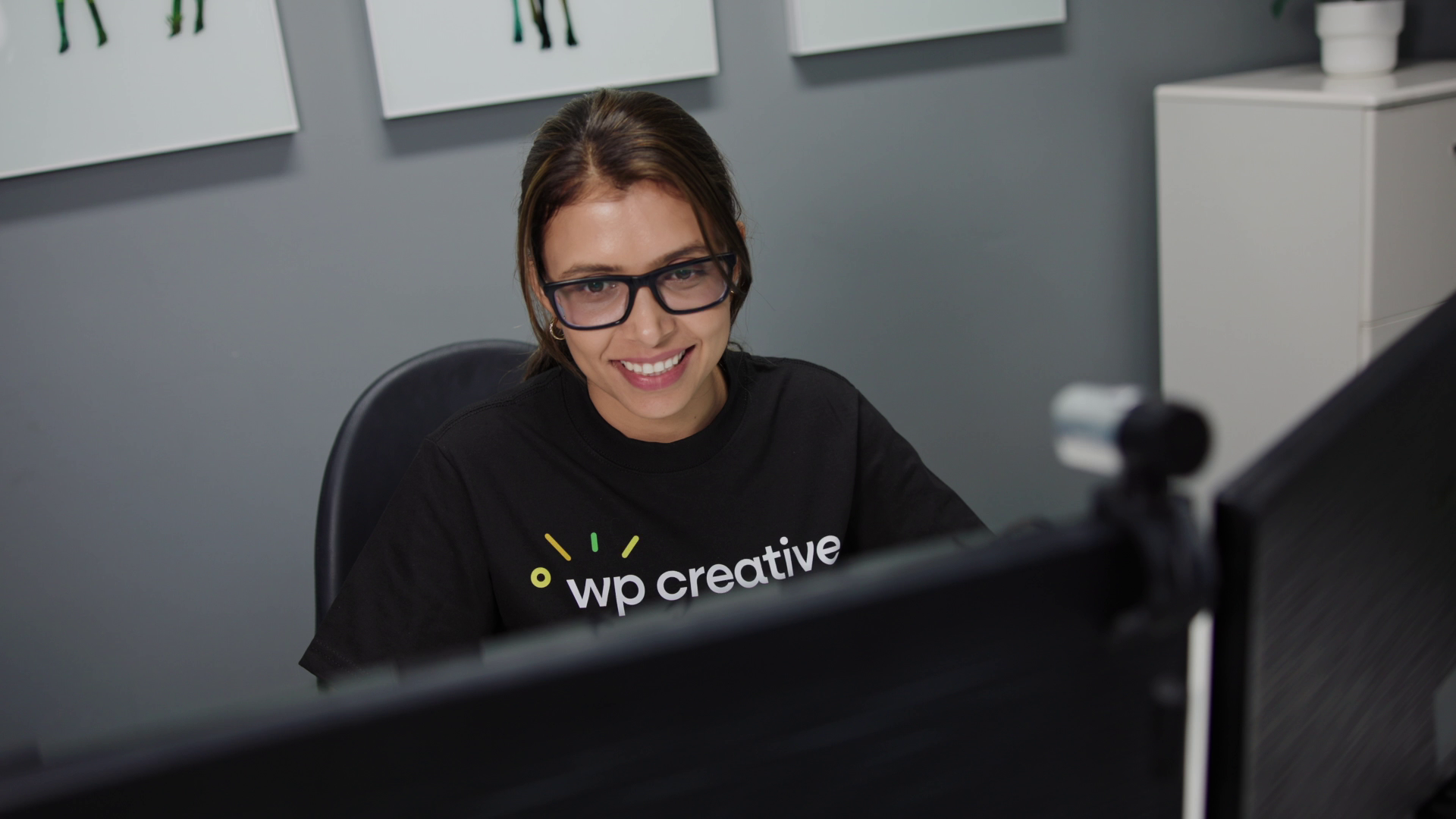
WP Creative works through a four-stage approach it calls the WPO Framework™:
- Stabilise. Make the site secure, reliable and measurable. Fix tracking, hosting and anything urgent.
- Diagnose. Find out where visitors drop off, and why.
- Optimise. Fix the biggest problems first, such as slow booking pages or confusing enquiry paths.
- Scale. Keep improving, month by month, as campaigns and seasons change.
“If your tracking is broken, you’re guessing,” he says. “Fix the foundations first. Then you know which changes actually make a difference.”
The work is done by people the agency calls Marketechs™, specialists who combine marketing know-how with technical skill. The person speeding up a booking page also understands the campaign sending people to it. WP Creative describes itself as the web agency behind better marketing.
The ten-minute website check to do before Cup Day
You don’t need to be technical for any of this.
- Book or enquire through your own site, on your phone, using mobile data. Time how long it takes.
- Check the confirmation arrived, in the right inbox, with the right details.
- Update your holiday trading. Christmas, New Year and public holiday hours, menus and prices.
- Ask whoever manages your site two questions. When were the plugins last updated? When was a backup last tested?
- Ask ChatGPT or Google to recommend a business like yours in your suburb. See whether you appear, and whether the details are right.
- Know who to call if the site goes down at 8pm on a Saturday.
“Use your website the way your customers will this summer,” Gyanwali says. “That’s where you’ll find what’s costing you.”
About WP Creative
WP Creative is an Australian web performance agency and WordPress developer working with businesses in Melbourne and across Australia. Known as the web agency behind better marketing, it helps marketing teams turn their websites into growth engines through custom WordPress development, website security plans and its WPO Framework™. Co-founded by Nirmal Gyanwali and Saba Kafley, the agency has worked with 1,200+ Australian businesses and holds 100+ five-star Google reviews. In Melbourne it hosts WPC Connect, a gathering for agency and marketing leaders in Richmond.