

Energy Reduction Achieved During Bushfires
Echuca Regional Hospital has achieved a remarkable 34% reduction in energy usage by implementing a new ventilation system. This system maintains pandemic-level air quality, even during the severe bushfire conditions experienced in northern Victoria.
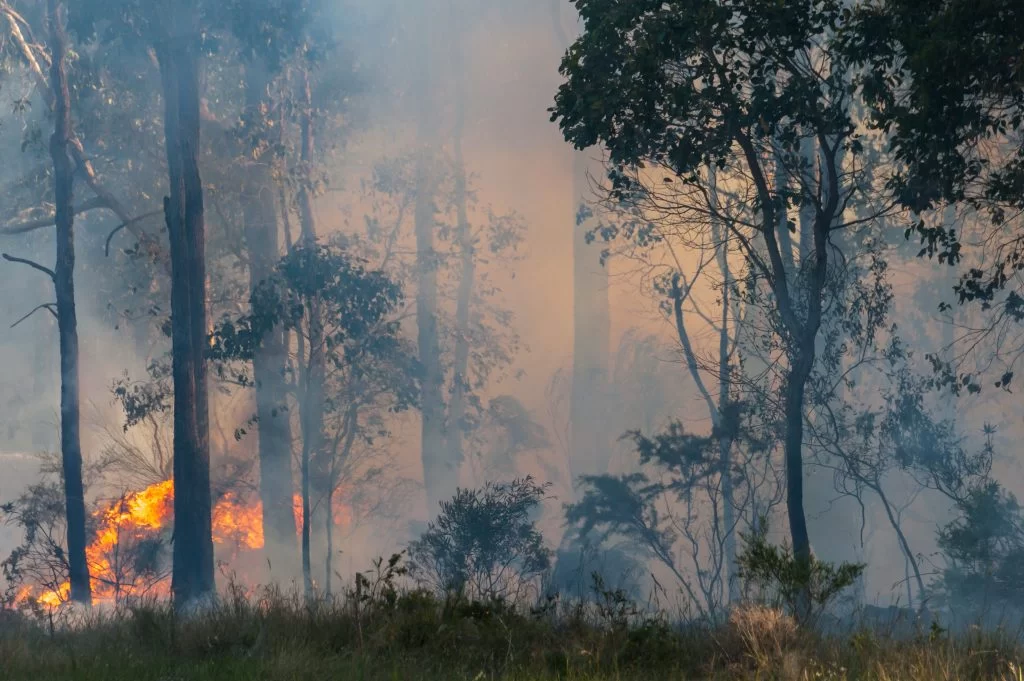
This achievement was part of the RACE for 2030 project, conducted in January 2026, at a time when bushfires significantly deteriorated air quality. The bioHEPA air treatment system used during the trial reduced particle counts in hospital air from 4.4 million to less than 5,000, demonstrating its efficacy.
During the trial, the hospital managed to maintain high air quality standards while cutting energy use. Tosh Szatow, Business Innovation & Policy Lead at RACE for 2030, remarked, “This project shows we can reduce hospital energy use while protecting indoor air quality, all with Australian made technology that remains robust through bushfire events.”
Impact on Air Quality and Energy Use
The new bioHEPA system achieved a 1,000-fold reduction in contaminants compared to conventional filtration methods, particularly notable during real-world bushfire events. The reduction in energy use was primarily due to lower fan power requirements and reduced heating demand, as the system operated efficiently with reduced outdoor air intake.
Dr. Tim Lau, Chief Investigator from Adelaide University’s School of Electrical and Mechanical Engineering, explained, “Advanced air filtration systems can significantly improve air quality while simultaneously lowering energy requirements for air conditioning systems.”
The project, named ‘Sustainable Solutions for Pandemic and Bushfire Resilience in Healthcare Facilities’, was a collaborative effort involving researchers from Adelaide University, Echuca Regional Health, and Australian clean-tech company Plasma Shield Ltd. It received funding from the Victorian Health Building Authority and RACE for 2030.
Carol-Anne Lever, CEO of Echuca Regional Health, expressed satisfaction with the project outcomes, emphasising the importance of maintaining high air quality for the safety of both patients and staff. “The success of this system during the bushfire conditions is a testament to its robustness,” she noted.
The findings from this project have broader implications beyond healthcare. Other building types, including offices, schools, and public facilities, could also benefit from such energy-efficient air quality systems. Following the successful trial, energy and air quality monitoring at Echuca Regional Hospital will continue throughout 2026 to assess the long-term benefits and scalability of the system. The adaptability of the bioHEPA system could lead to widespread adoption across various sectors, providing both energy savings and improved air quality.
Last updated: 29 June 2026, 12:17 pm