

Ubiquitin’s Role in Glycogen Regulation
On April 23rd, researchers at the Walter and Eliza Hall Institute of Medical Research (WEHI) in Melbourne made a groundbreaking discovery about the body’s sugar storage mechanisms. Their findings were published in Nature.
The study reveals that the protein ubiquitin can directly regulate glycogen, the stored form of sugar in the body, overturning 50 years of scientific understanding.
Professor David Komander, co-lead author of the study, remarked, “It’s quite likely biology books will need to be amended as a result of our findings.”
Implications for Disease Treatment
This discovery has significant implications for diseases linked to excessive glycogen, such as diabetes and heart disease. Currently, no therapies directly target glycogen accumulation.
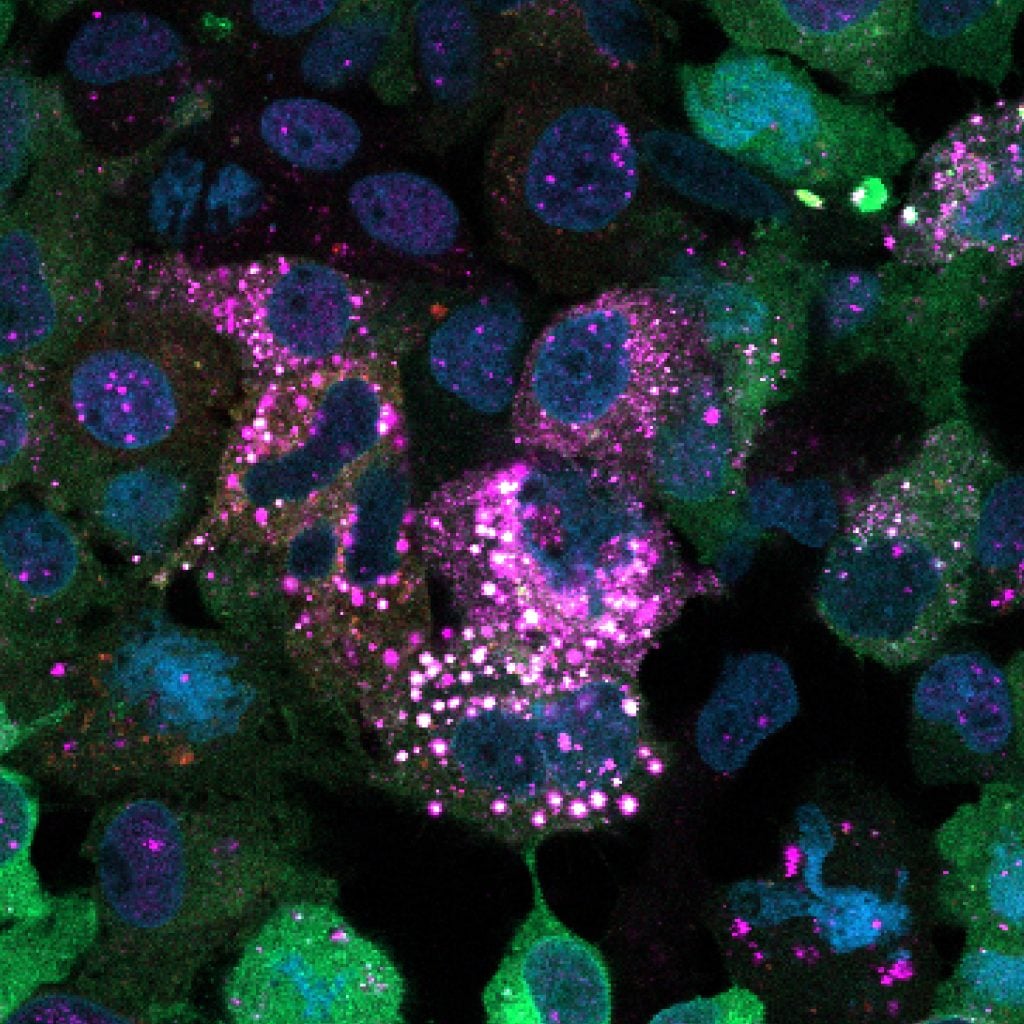
In both animal models and human cells, ubiquitin was found to attach to glycogen. This process, visualized using a technique called NoPro-clipping, could open new therapeutic avenues.
Dr. Simon Cobbold, another co-lead author, highlighted the potential of ubiquitin as a regulatory mechanism previously overlooked. “Ubiquitin is really an unsung hero that has been quietly working in the background all this time,” he stated.
The study’s results show that ubiquitin tags increase during glycogen depletion, suggesting a regulatory role in glycogen breakdown. Researchers managed to increase ubiquitination, leading to decreased glycogen in cells.
These findings open up possibilities for new treatments for conditions like Glycogen Storage Diseases, which are rare inherited disorders without current treatment options.
When people consume food with sugar, the body converts it into glycogen, stored in the liver and muscles. Excessive glycogen is linked to health issues, making this research crucial.
Professor Komander explained, “We’ve uncovered a second pathway where glycogen can be directly regulated – likely on demand. This is an exciting breakthrough for people living with diseases caused by excessive glycogen.”
The research was conducted in collaboration with institutions including The University of Melbourne and Alfred Health, with support from the National Health and Medical Research Council and other bodies. Discussions with investors are underway to explore practical applications.
New drugs, such as Ozempic, are transforming how blood sugar is managed indirectly via hormonal regulation. However, directly regulating glycogen could address its accumulation more effectively.
Last updated: 29 June 2026, 12:20 pm