

CFA and Cam Walker cite transmission line protocols
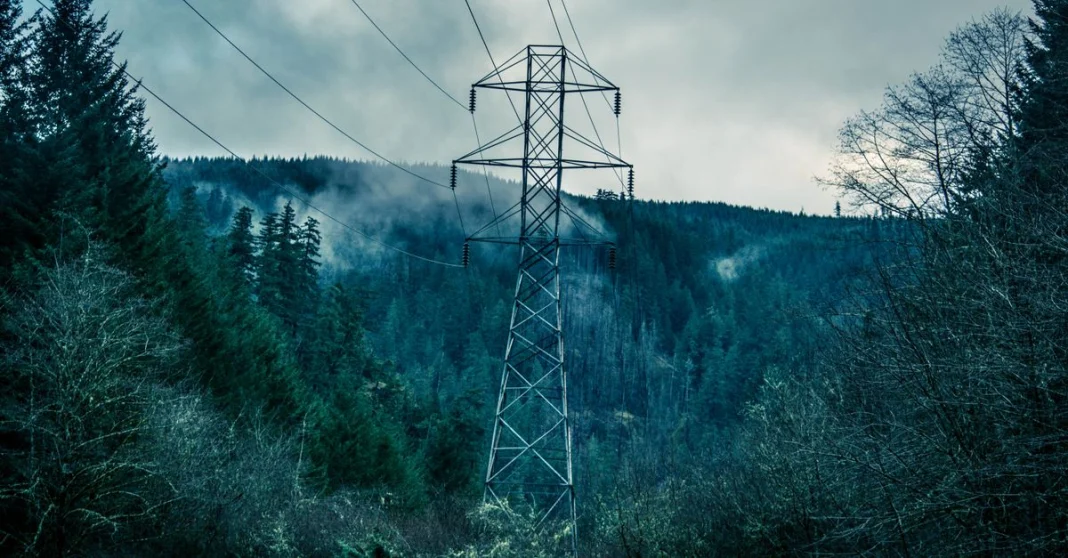
Claims that firefighters would not attend fires on properties crossed by power lines in Victoria’s rural west have been challenged by the CFA and the Australian Firefighters Climate Alliance.
Multiple reports on 30 September 2025 quoted some firefighters as saying there was “absolutely no way they would attend a fire on a property crossed by the VNI West high voltage transmission line” because of smoke and the risk of lines shorting.
Australian Firefighters Climate Alliance spokesperson Cam Walker rejected that claim. He said protocols already guide firefighting around high voltage power lines, and he warned that refusing to attend could put communities at risk.
CFA transmission line protocols
Walker also stressed that no one was proposing crews work next to a fire front passing under a high voltage line. According to Walker, CFA protocols already stop crews from working close to a fire moving under those lines.
The CFA states that firefighting methods vary with forecast weather conditions, fire behaviour and location. The agency has standard operating procedures for members working around high-voltage transmission lines and large pylons.
Meanwhile, CFA guidance says restrictions near transmission lines do not end a response. Crews can use heavy machinery to remove grass, bushes and scrub to stop flames reaching transmission lines, buildings and other critical infrastructure.
Firefighting aircraft can also operate around high-voltage transmission lines when that forms part of the strategy, according to the CFA.
Walker linked the VNI West claims to earlier arguments about wind turbines. He said some anti-renewables campaigners who are also firefighters had made similar claims about turbine fires.
In those cases, standard practice is to stand back a safe distance from an elevated fire and contain any spread of flames from falling debris, Walker argued.
Victoria’s first high-voltage overhead lines were built in the 1950s. As a result, firefighters in the state have decades of experience working around that infrastructure.
Walker said, “Any new structure brings a fire risk that must be considered in the approvals process. But compared with many activities in agricultural areas, there is no additional or novel risk attached to a fire around a power line.”
He also described claims that VNI West would create a new kind of danger as fear mongering and misinformation.
The CFA publishes guidance on fighting fires around transmission lines at cfa.vic.gov.au. AFCA also published a briefing on 30 September 2025 on renewables and fire risk.