

The Death of Robin Hood reinterprets its titular character as a villain in a messy retelling that’s heavy on philosophical ideas and gruesome violence.
History is always written by the winners. When those winners keep winning, the truth becomes more perverse until we get something akin to glorified fanfiction masquerading as truth. We know Robin Hood as the honourable thief — whether it’s in fox or human form — who was a hero to the poor and a terror to the rich. But that’s only according to those writing his history. Strip away the deification like what Michael Sarnoski’s brutally grim The Death of Robin Hood does, and he is nothing more than a homicidal sociopath.
The year is 1247, and a young woman stumbles upon an aged Robin (Hugh Jackman), looking like Geralt of Rivia’s beaten-down older cousin. She begs for food; he obliges. She then tries to slit his throat post-meal, only for him to jam a knife into her neck with the ease of someone who has done this many times. She was already beaten by the myth before her knife was drawn, the latest in a long line of people seeking his blood, as he tells her. But don’t mistake The Death of Robin Hood as some bitterly dark revisionist take on the character. The movie is more interested in the idea of revisionism itself.
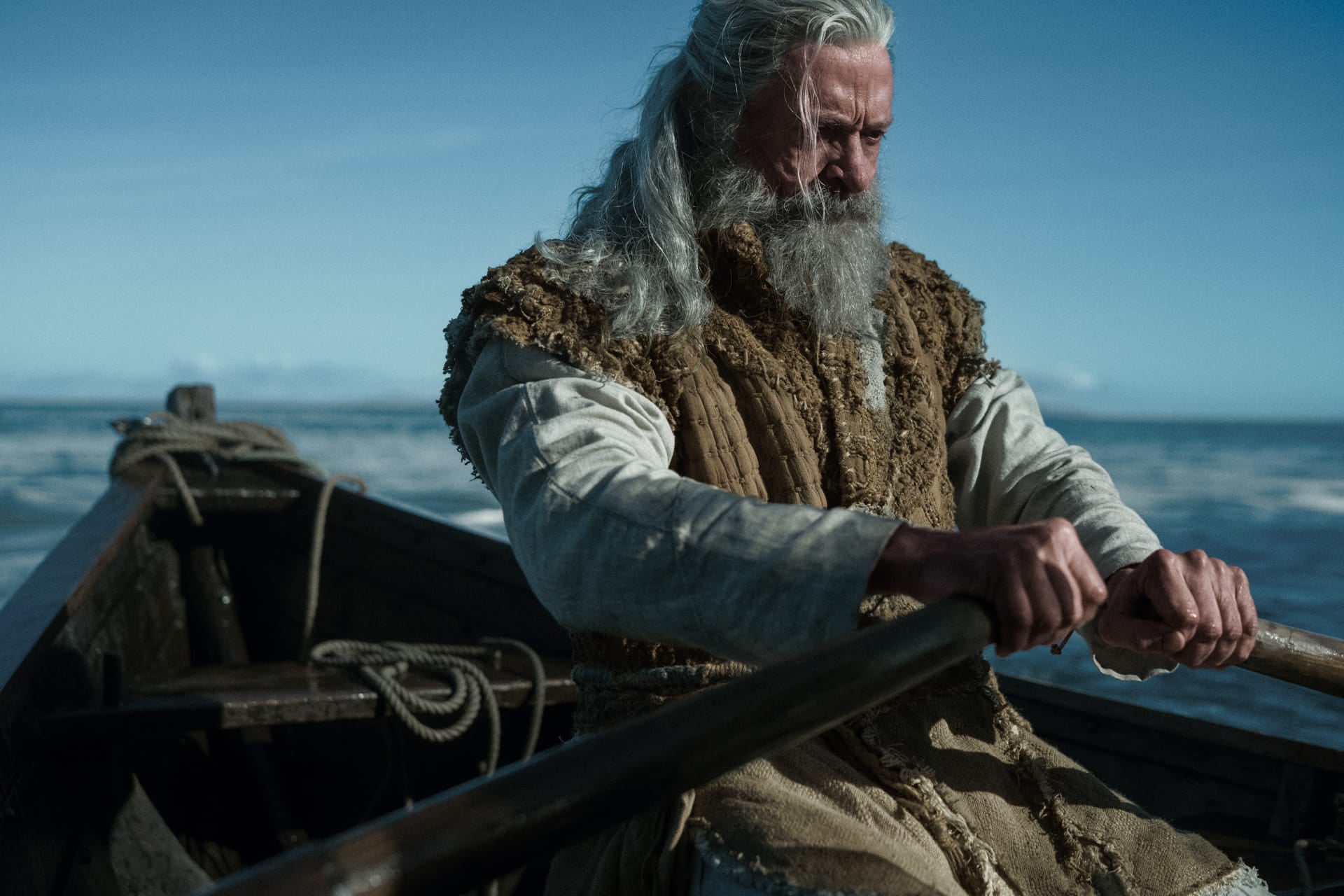
There are no merry men in tights, just a singular loyal companion, a much younger Little John (Bill Skarsgård). There’s no Maid Marion or robbing the rich to feed the poor, only a lifetime of cold-blooded murder for their own self-interest. Even their small talk is a litany of made-up stuff. When Robin asks Little John to describe his wife the night before they rescue her from bandits, Robin repeatedly interjects with suggestions to fluff up the descriptions to something more flowery (Little John settles on ‘red hair like an evening sunset’).
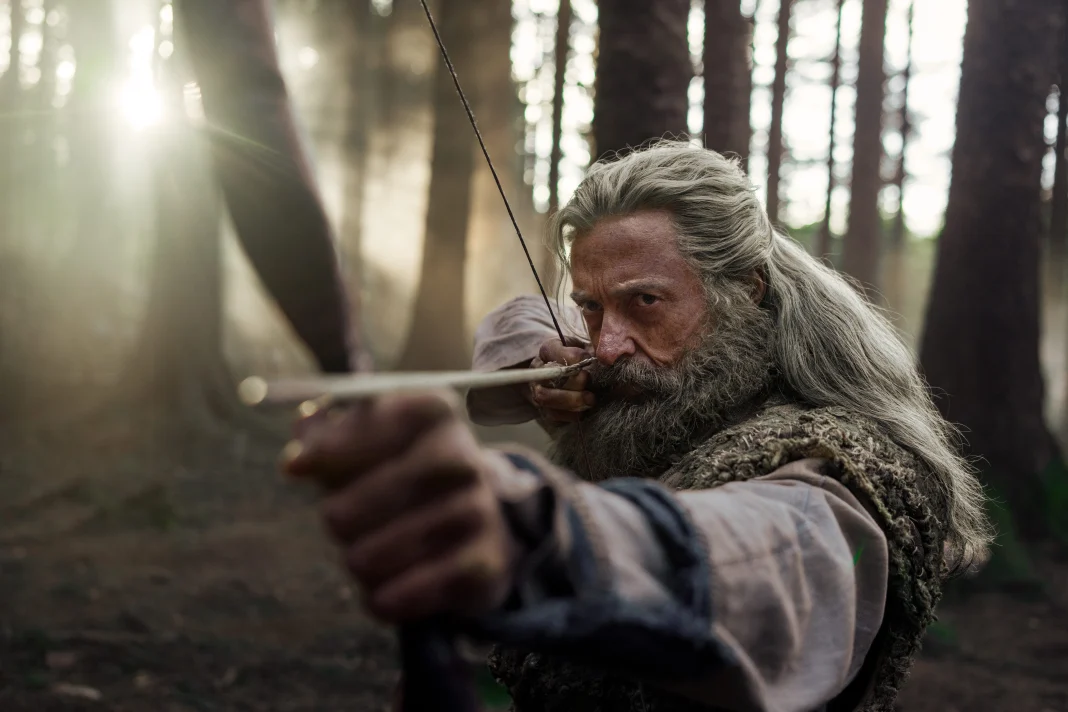
When we finally see Robin and Little John fight some bandits, the combat is disgusting and grisly, like the bastard child of The Revenant and The Northman. Nothing about it is glorified, which makes it difficult to tear your eyes away from Pat Scola’s textured cinematography and stunning use of fire for lighting. There’s a dream-like texture to nearly every scene, whether it’s a close-up of Jackman’s bulging arms or a mid-shot of Robin stringing a bow. The abundant use of haziness across the edges of the camera frame lends itself to the idea of how easy it is to spin any moment into a positive light.
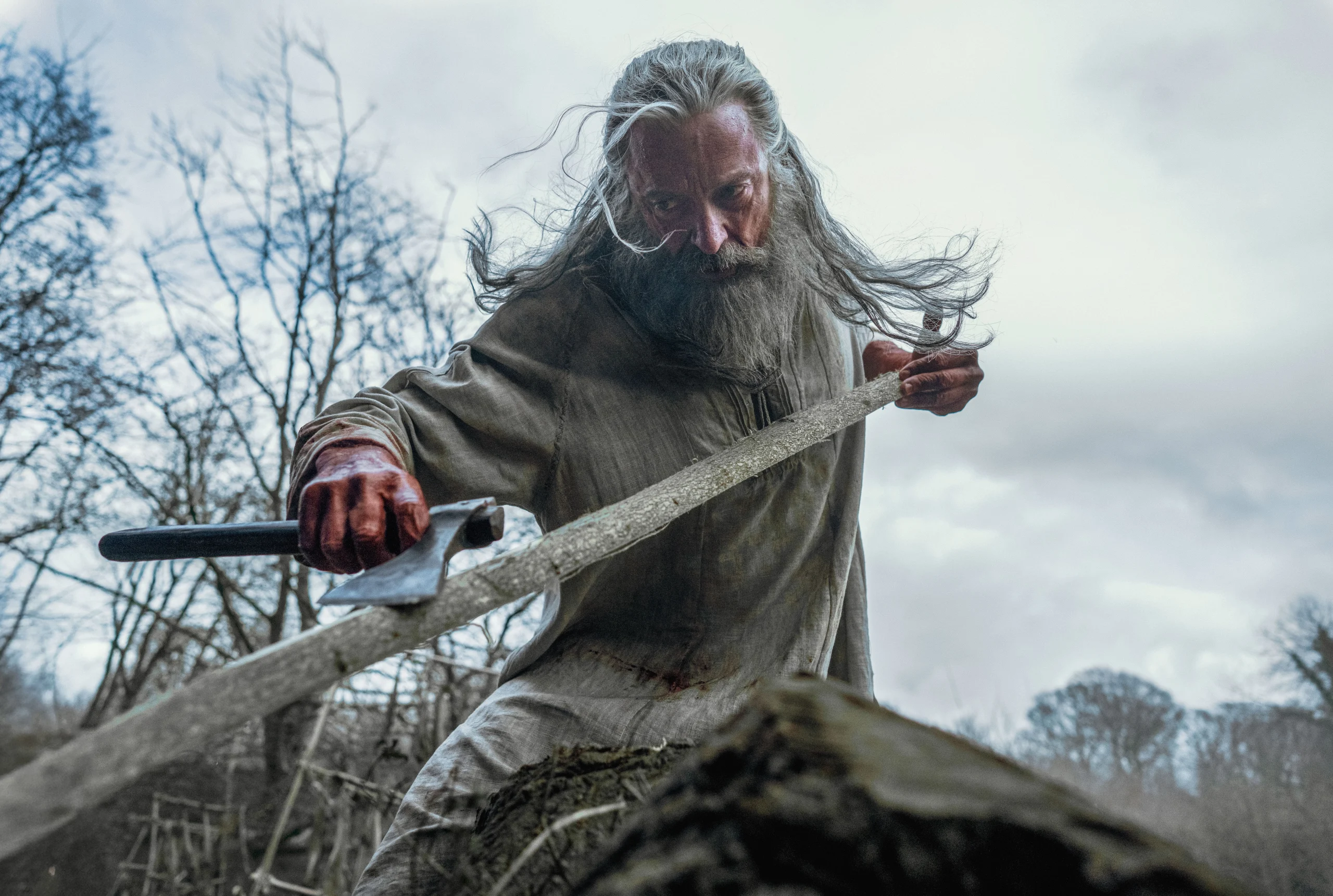
The swathes of utterly gorgeous Northern Irish landscape fill the screen more than Robin Hood’s dialogue, which Jackman mumbles like someone whose life is the complete opposite of the romance woven about him. But Jackman is also inherently a showman, and he can express more with a thousand-yard stare than most can with an overwrought script. You also don’t kill a man with a torch the way Jackman’s Robin does and not make it sound badass in the retelling.
Act one’s unrelenting cycles of violence and savagery put Robin so far from the path of salvation that you wonder if redemption is even possible. As The Death of Robin Hood shifts to a contemplative register by having an injured Robin be cared for by Sister Brigid (Jodie Comer) at a priory, her introduction is a much-needed anchor for what’s been an incredibly uncomfortable watch up so far.
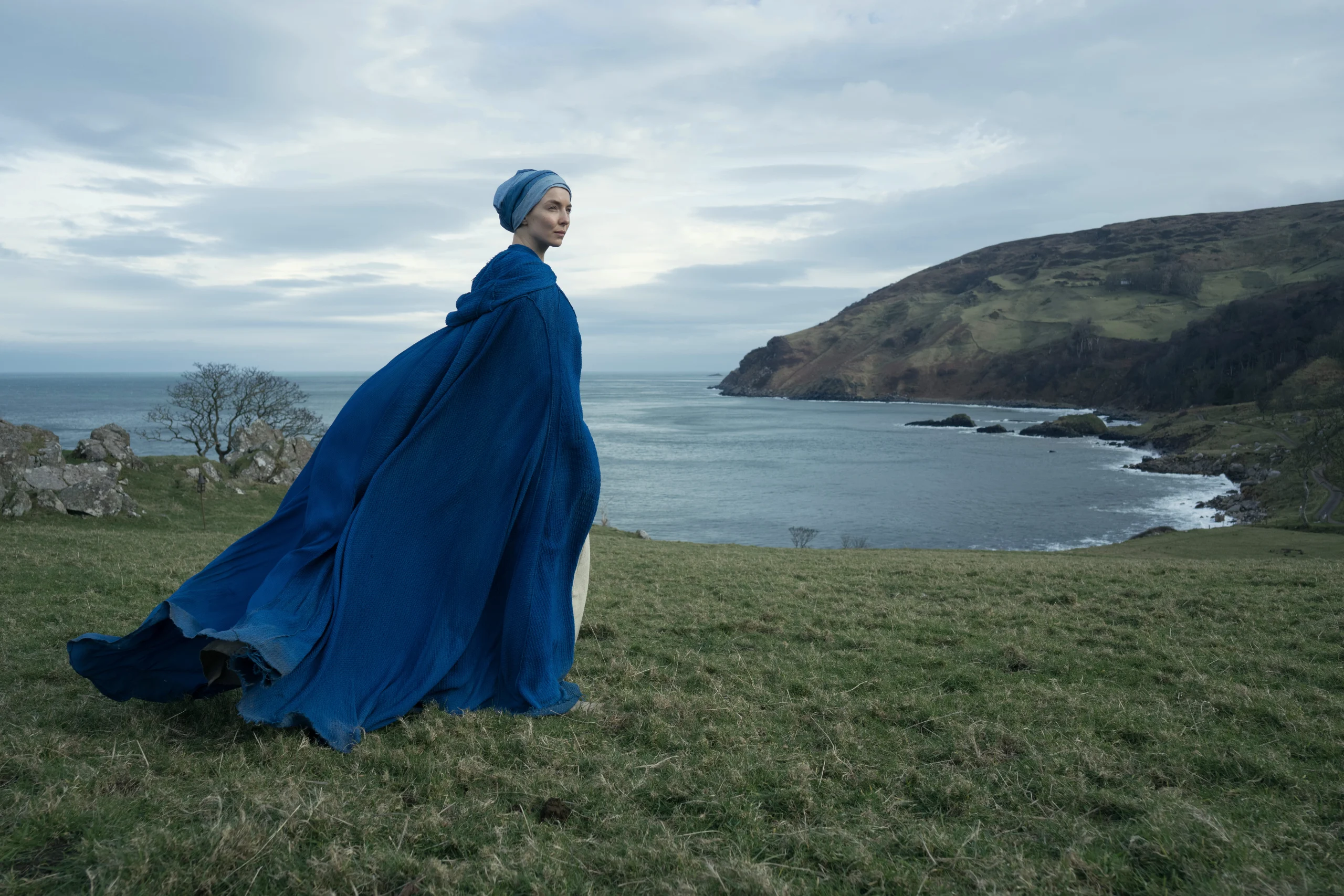
In an unforgiving world, Sister Brigid is a shining ray of empathy and forgiveness, sometimes quite literally as she’s often bathed in a warm glow of sunlight or the flickers of a crackling fire. Comer’s subtle performance balances Brigid’s kindness with her mysterious past, callouses that paper over her trauma without overwhelming who she is now.
Sarnoski’s script is primarily focused on the present with only brief detours to the past when absolutely necessary. We’re not given any solid idea of Robin’s past or why he chooses to terrorise the local folk. It’s all about using reminders of the past and what’s available as a compass for moving forward, even if Robin himself believes himself to be beyond saving. Nearly everyone whom Robin encounters prays or talks about prayer, yet Sarnoski pulls no punches on the hypocrisy of religion when we’re shown what Sister Brigid gets up to in private or how injury and illness still happen despite pleading to God. Religion may be the solution for some, but even that path is fraught with obstacles and no guarantees.
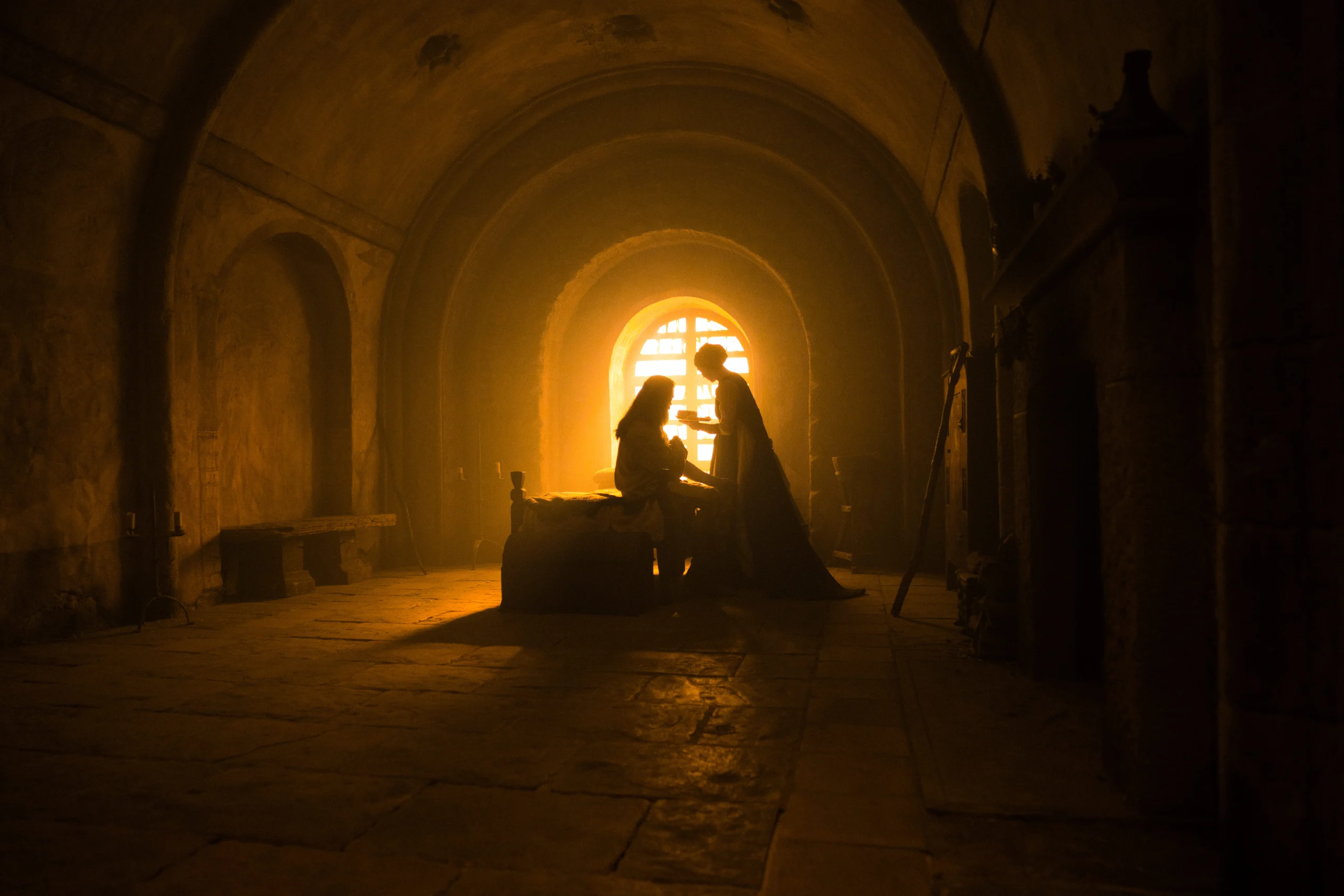
As Robin slowly integrates into the community of children and the sick, it feels more akin to purgatory than a pathway to the pearly gates. He ultimately gleans a bit of light when the priory’s resident leper (Murray Bartlett) tells him “it’s never too late to find peace,” but even then it requires someone telling him what to do rather than figuring it out himself. I suppose it’s nigh impossible to wring emotion out of a famous outlaw whose complicated and grisly reality far outstrips his capacity or desire for self-reflection.
The Death of Robin Hood posits that humans are inherently flawed, which is why cycles of violence and generational trauma exist. Growth can be achieved if there’s the desire and self-awareness to recognise it. Having been the harbinger of death upon so many generations, Robin understands his own role — and complicity — in his notoriety, yet he moves through the second chance he’s given with nary a tinge of regret for his actions. By the time he makes several major decisions, seemingly to try and break the cycles of anguish he’s responsible for, it’s done at such arm’s length that it’s what the story demands rather than Robin organically reaching that point of his character arc.
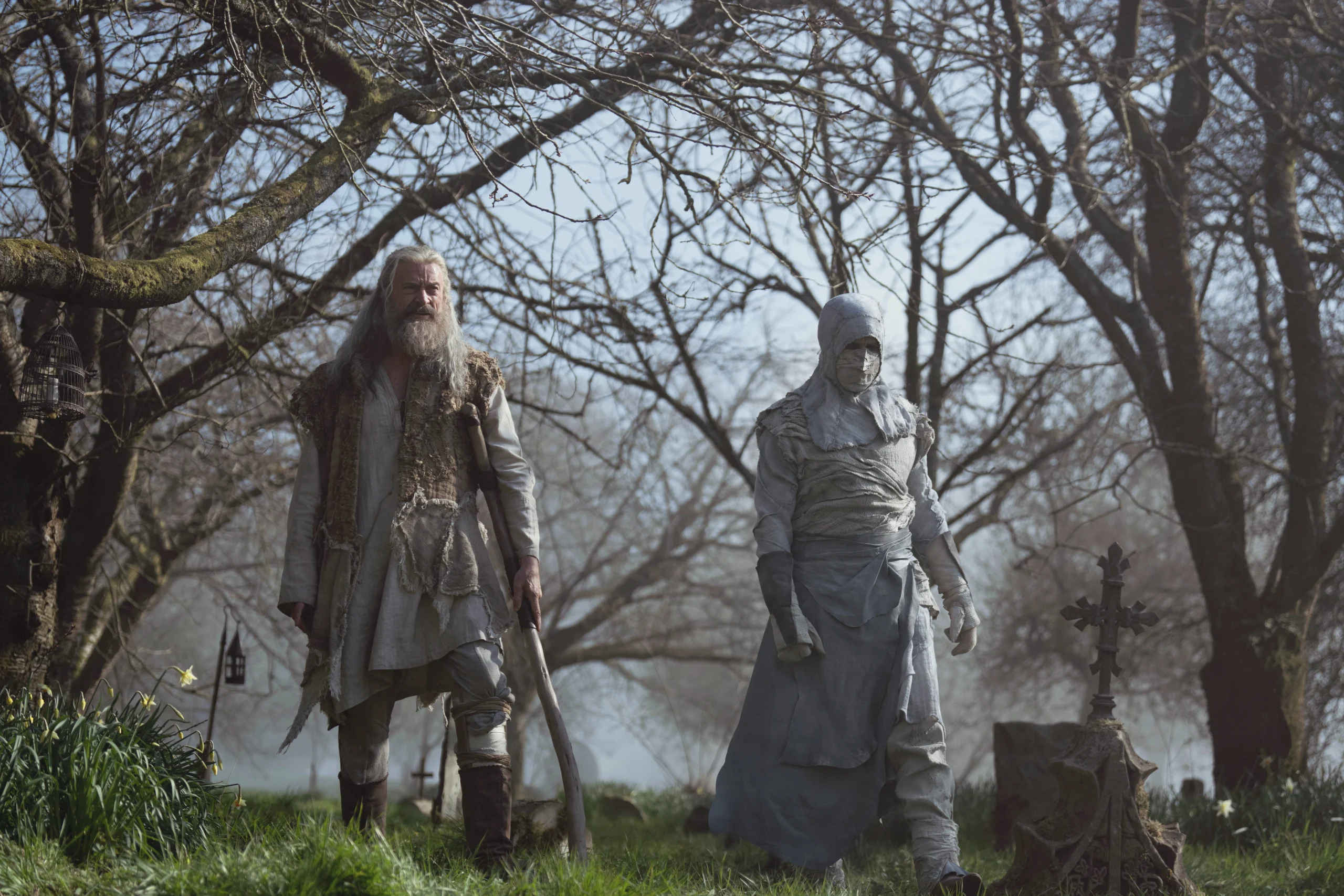
Self-interest remains the prevailing sentiment of many of those who wield power, so it does strain credulity when someone as sociopathic as Robin can reconsider his path, especially when some real-life figures in power have shown that it’s nigh impossible. The Death of Robin Hood recognises this somewhat and doesn’t let its protagonist off the hook, nor does it give us any easy answers. This is an uncomfortable watch from start to finish, but it is a movie that demands our attention because if history is indeed written by winners, then we should witness what exactly they’re writing so the truth is never buried entirely.

