

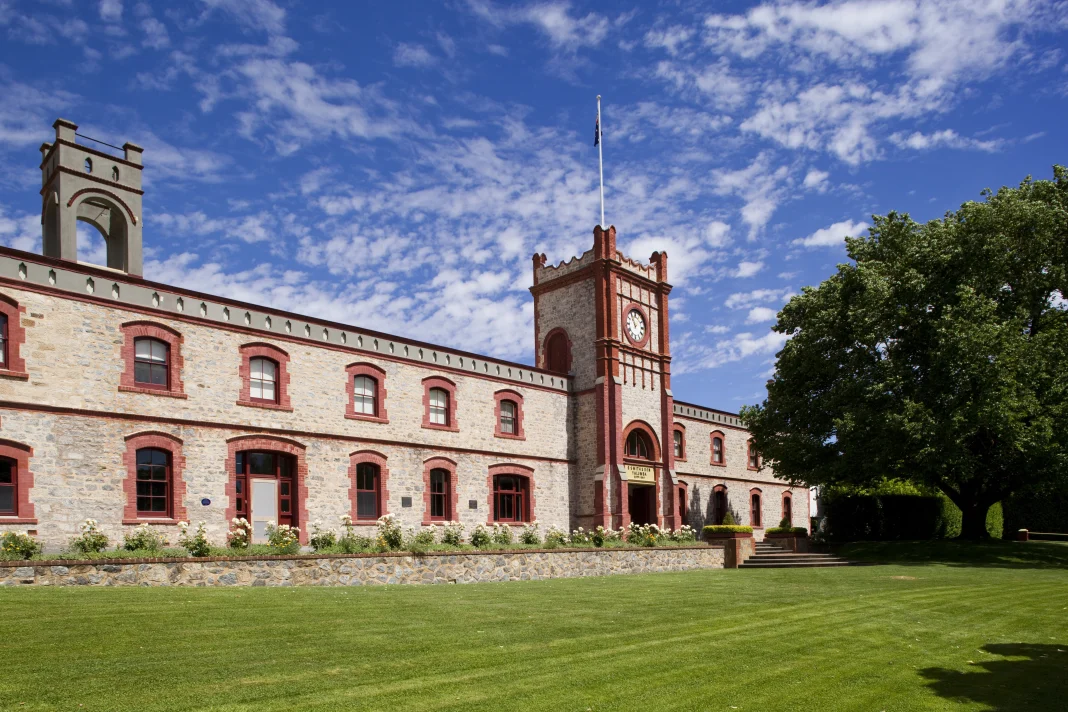
An evening of old vines, family history and beautifully judged wines showed why Yalumba still sits among Australia’s most important producers.
There is a moment in every serious wine dinner where the room either settles into the experience or quietly loses interest. Usually, you can tell by the second glass.
At the Yalumba dinner, the room settled quickly.
Not because the wines arrived with oversized introductions or forced theatre, but because each pour carried a level of confidence that only comes from time. The kind of time measured in generations, not campaigns.
Yalumba did not spend the evening trying to convince anyone of its importance. That was the most impressive part.
The wines arrived with history sitting quietly in the glass.
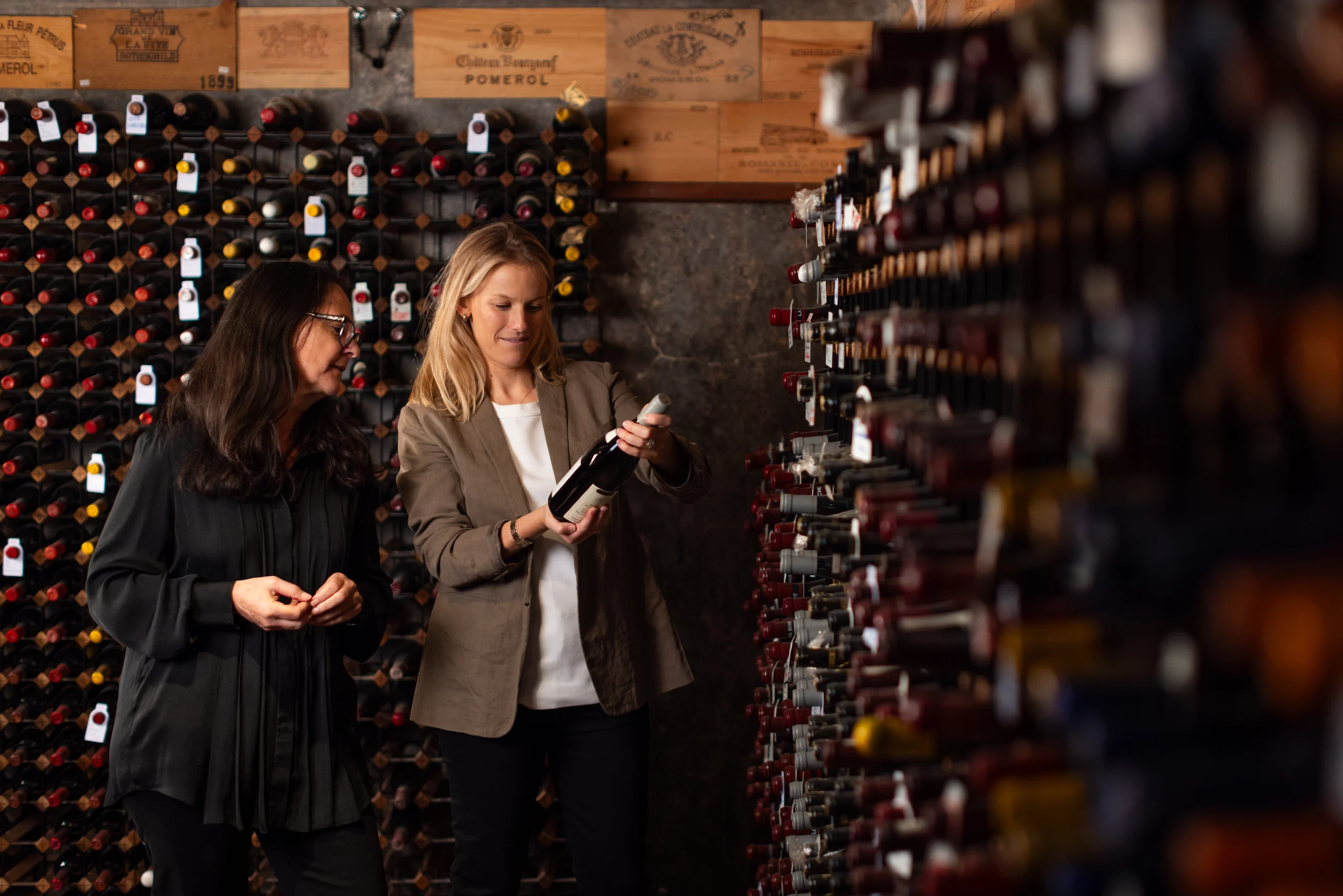
That balance between inheritance and progress is not accidental. Speaking about wines such as The Caley, The Octavius and The Signature, Sam said the starting point is still the vineyard.
“When crafting wines like The Caley, Octavius and Signature, the key is getting it right in the vineyard,” he said. “We have great growers and an amazing viticultural team that give us some remarkable parcels of fruit.”
He also made it clear that legacy does not mean standing still. Yalumba has continued to refine these wines over time, particularly with The Octavius, where the use of new oak has been significantly reduced.
“Back in the early 2000s, the new oak percentage in Octavius was 60%. Today it is 25% new oak,” he said.
That detail matters because it explains much of what came through in the glass: history, yes, but not nostalgia.
The evening opened with The Virgilius Viognier 2023, and it immediately set the tone for what became a beautifully paced lineup. Viognier is a grape that often gets handled without restraint. Too much ripeness, too much perfume and too much oak can quickly turn it into hard work.
This was the opposite.
There was apricot, preserved citrus, white florals and ginger spice, but what stood out most was the line running through the wine. Freshness. Shape. Control. It had texture without becoming oily, which is where great Viognier separates itself from average examples.
Yalumba has long been one of the most important producers of Viognier in Australia, largely through the work of Louisa Rose, who helped give the variety real credibility locally decades before it became fashionable. You could feel that confidence in the glass. Nothing about the wine felt trendy or experimental. It simply felt resolved.
Matched with the smoked tomato tartlet and preserved lemon elements, the pairing worked because the wine carried enough acidity to lift the richness while still allowing the texture to soften the dish.
Then came The Tri-Centenary Grenache 2024, and this was where the evening genuinely started finding momentum.
The fruit comes from bush vines planted in 1889. Those vines were in Barossa soil before federation and long before Grenache was widely treated as a premium standalone variety in Australia.
The wine itself carried that old-vine confidence beautifully.
Bright raspberry, red cherry, spice and dried herbs moved effortlessly across the palate, but beneath the brightness lay proper savoury depth. Great Grenache often looks lighter than it really is. This had energy, but also authority.
Sam spoke about those ancient vineyards with the kind of respect that made sense once the wine was in the glass.
“The ancient vines that make up The Octavius and Tri-Centenary Grenache are amazing parts of the Barossa history,” he said. “The vines survived through many highs and lows, most importantly the vine pull scheme in the 1980s.”
He then quoted Robert Hill-Smith, who summed up the point neatly: “They are old because they are good and not good because they are old.”
That line stayed with me. Old vines can easily become a romantic marketing phrase, but in this case the value was visible. The wine had concentration without weight, freshness without thinness and a savoury depth that younger vines rarely deliver with the same ease.
Against the chilli brisket and chipotle glaze, it came alive. The fruit softened the heat, while the savoury edge connected naturally with the smoke and richness of the dish.
It was one of those pairings where nobody at the table needed to analyse why it worked. It just did.
From there, the evening moved into more serious territory with The Signature Cabernet Sauvignon & Shiraz 2023, one of the wines I had been most interested in revisiting.
The Signature is one of Australia’s benchmark Cabernet Shiraz blends and has been part of Yalumba’s story since 1962. Every release is dedicated to someone who has contributed to the winery’s history, which gives the wine a level of personal identity beyond the blend itself.
The 2023 vintage was cool, wet and late across Barossa. Conditions that could easily have created softer or diluted wines in less experienced hands. Instead, Yalumba leaned into freshness and structure rather than chasing unnecessary weight.
Blackcurrant, dark cherry, olive tapenade, cedar and dried herbs sat together with real precision. The Cabernet gave shape and tension. The Shiraz brought generosity through the middle without overwhelming the wine.
What impressed me most was the restraint.
Too many premium Australian reds still mistake power for sophistication. The Signature avoided that entirely. The oak framing was polished, but controlled, allowing the vineyard character and vintage freshness to remain visible throughout.
The restraint in The Signature also reflected a broader shift in premium Australian reds, something Sam sees clearly in the way Barossa wines have evolved.
“Certainly in the 90s and early 2000s, premium Barossa reds were about power, new oak and often high alcohol,” he said. “There’s still a place for those wines, and diversity of style is important. But what we’re increasingly seeing, particularly at the premium end, is a shift toward greater restraint and detail.”
That felt like exactly what was happening in the glass. The Signature had depth, but it did not chase size for the sake of it. The Cabernet gave the wine line and structure, while the Shiraz brought richness without blurring the detail.
Sam said more producers are now “dialling back the oak, picking a little earlier and aiming for wines of style and sophistication without losing the core of concentration”.
That is the sweet spot. Power is easy to recognise. Restraint is harder to get right.
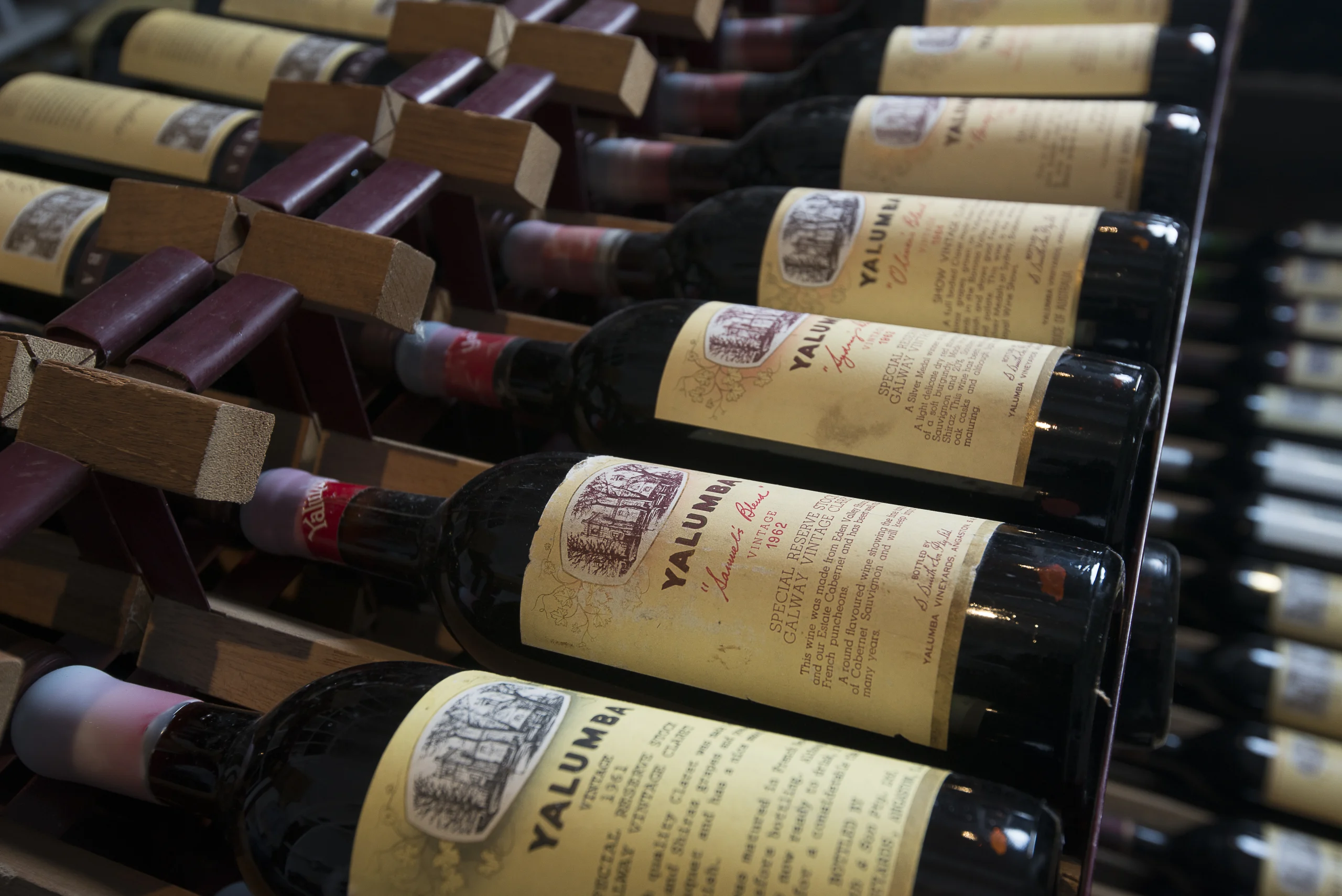
Then came The Octavius Old Vine Shiraz 2019, and this was where the scale of Yalumba’s old-vine holdings really started showing itself.
Fruit for The Octavius comes from vineyards across Barossa and Eden Valley, including vines planted as far back as 1854. That is not just a marketing detail. Vine age changes wine. Old vines naturally produce lower yields, greater concentration and a level of vineyard character that younger material rarely reaches.
The 2019 vintage was difficult. Dry conditions, frost and reduced yields created intense fruit with serious structure built into it.
And the wine reflected that immediately.
Dark plum, blackberry, roasted coffee, liquorice, spice and dark chocolate unfolded slowly through the glass. It was powerful, but never oversized. Rich, but disciplined.
This is also where Yalumba’s cooperage becomes important. The winery remains the only producer in the Southern Hemisphere with an operational on-site cooperage, meaning it controls how barrels are toasted, seasoned and built specifically for its wines.
That level of detail matters in a wine like The Octavius because oak can easily dominate old-vine Shiraz. Here, it simply shaped the wine rather than masking it.
The earlier detail from Sam about Yalumba reducing new oak in The Octavius gave that moment more context. The oak was present, but it never took control. It gave frame, depth and polish, while allowing the old-vine fruit to remain the centre of the wine.
Paired against the braised beef cheek and burnt butter cauliflower, the combination carried enormous depth without becoming heavy. The richness of the food matched the concentration of the wine, while the savoury character running through both kept everything balanced.
By this point, the room had noticeably slowed down. People revisited earlier glasses. Conversations shortened. The wines had fully taken over the evening.
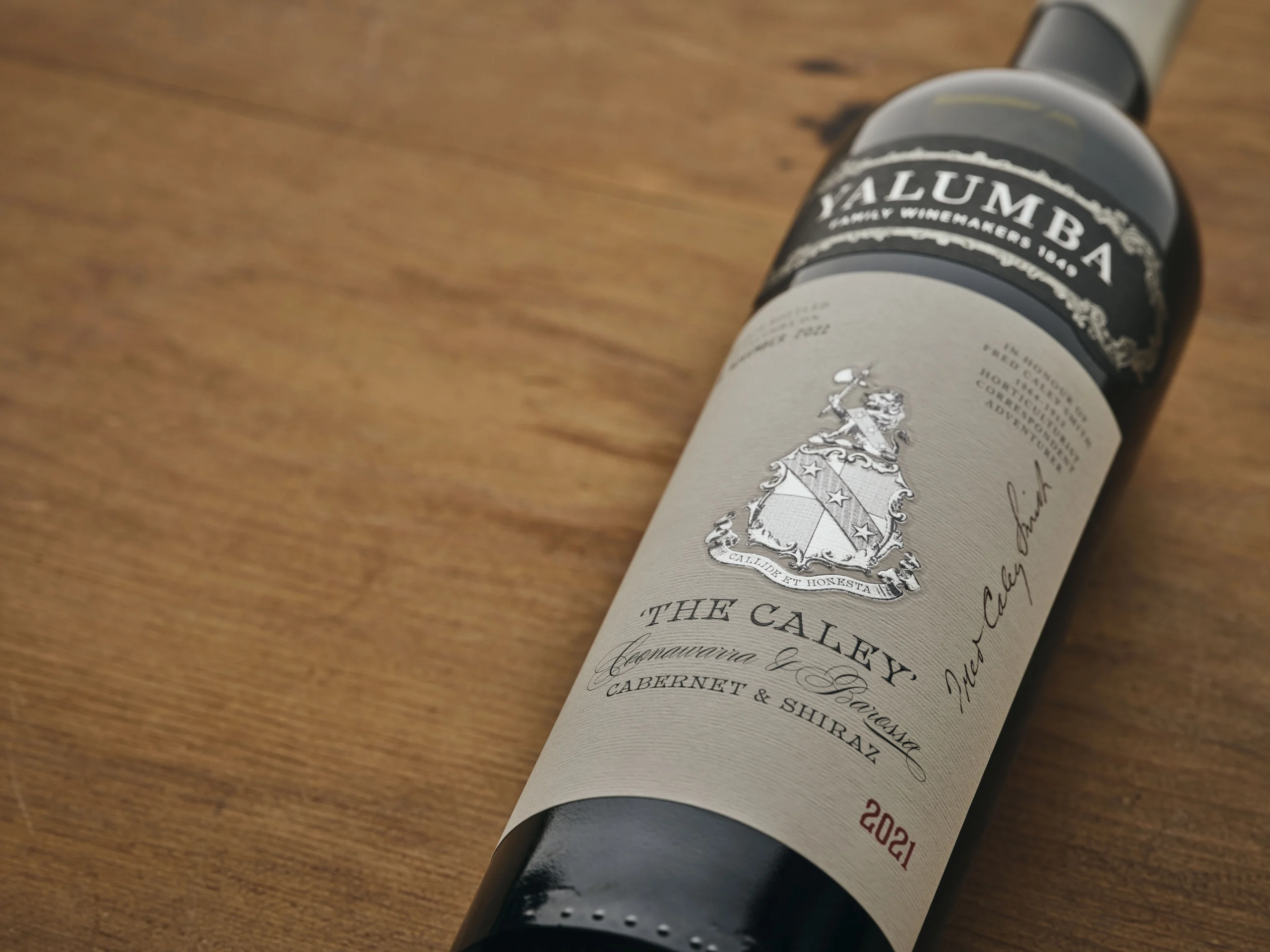
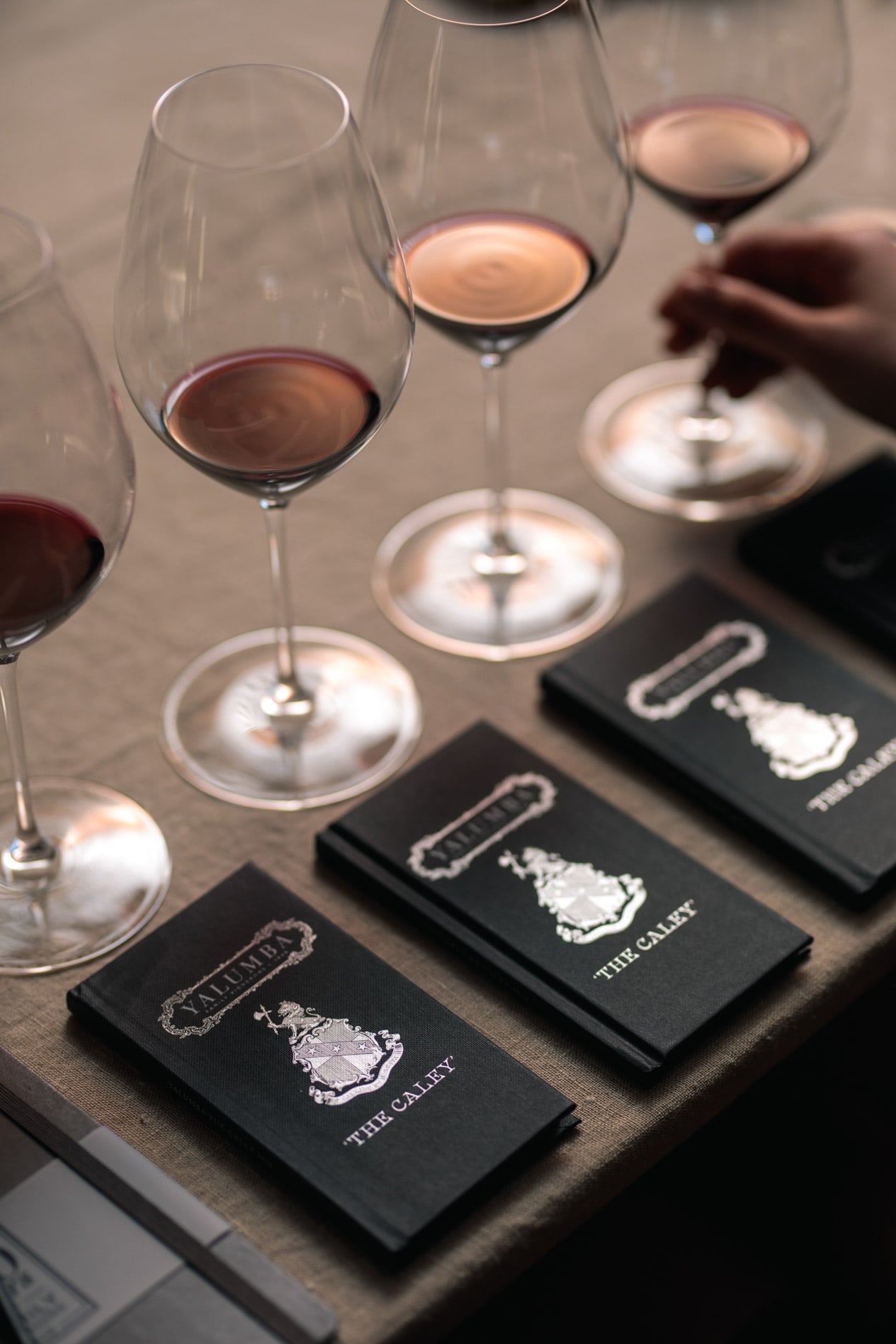
And then came The Caley Cabernet Sauvignon & Shiraz 2021.
This was the standout wine of the night for me.
Named after Fred Caley Smith, a third-generation member of the Hill-Smith family known for his horticultural influence and international outlook, The Caley sits at the very top of Yalumba’s red wine hierarchy.
The 2021 vintage conditions across Coonawarra and Barossa were close to ideal, and the wine carried itself with the sort of balance that only arrives when every element lines up properly.
For The Caley 2021, Sam pointed to the vintage conditions across Coonawarra and Barossa as the reason the wine feels so complete.
“I think what really makes the vintage so complete is the stunning vintage conditions in both Coonawarra and Barossa,” he said. “That has resulted in a beautiful synergy between the Cabernet, Shiraz and the oak. When they all come together as they have in 2021, it results in a very special wine, seamless and pure.”
That was exactly the impression in the glass.
Blackcurrant, violet, graphite, cedar, fine spice and dried herbs moved through the glass with remarkable control. The Cabernet gave the wine architecture and tension. The Shiraz added warmth and depth underneath.
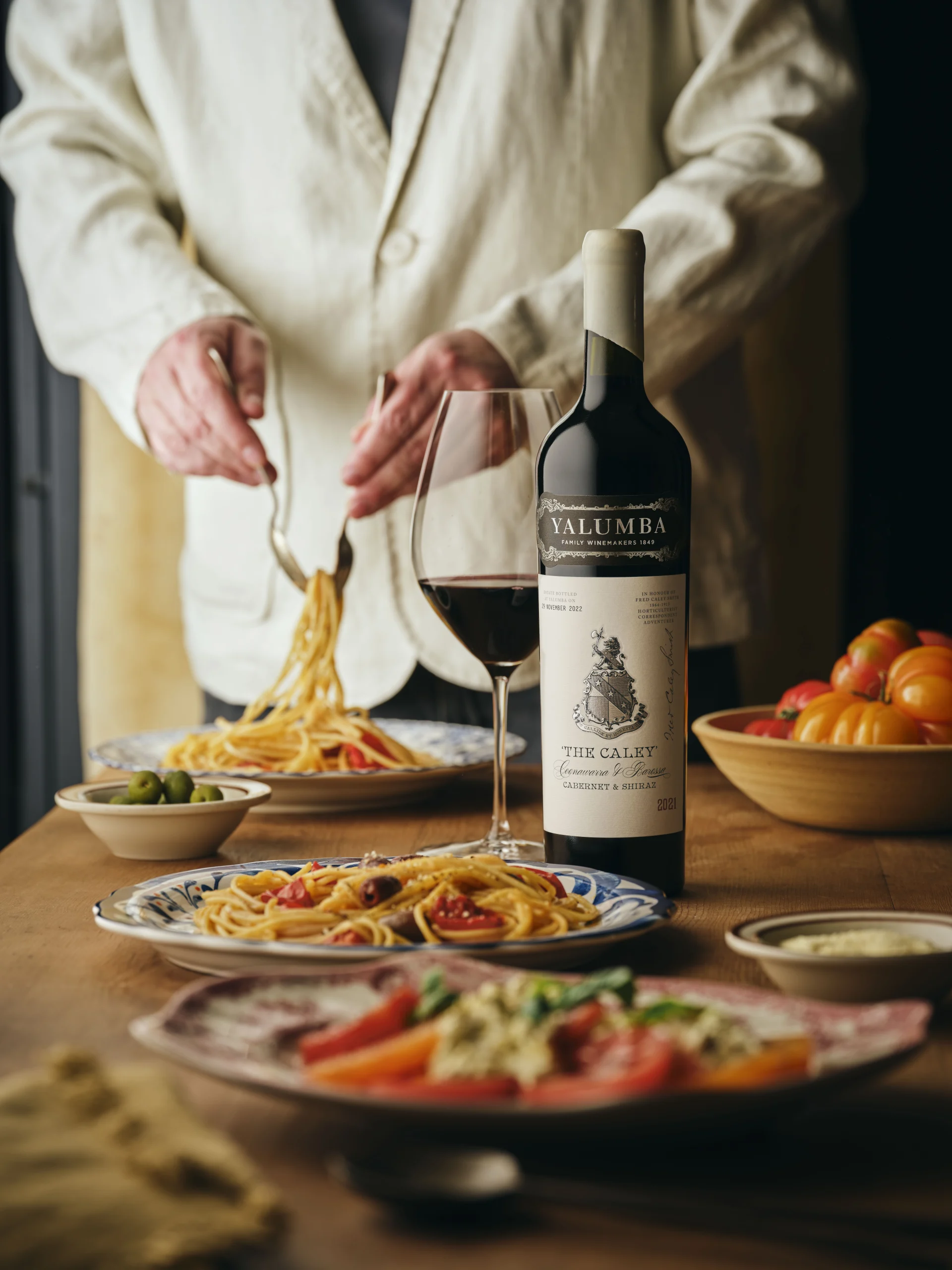
Most impressive was the tannin profile. Fine, powdery and beautifully integrated already.
The Caley never felt like a wine trying too hard to prove itself. It had confidence, length and detail without excess weight or exaggerated oak influence. It is easy to understand why the wine has received enormous critical praise globally, but more importantly, it actually justified the attention.
That is rarer than it should be.
By the end of the evening, what stayed with me was not just one wine or one pairing. It was the consistency of the philosophy behind them.
The Virgilius showed elegance and restraint.
The Tri-Centenary showed old-vine energy and freshness.
The Signature showed balance and heritage.
The Octavius showed depth and patience.
The Caley showed precision and confidence.
Together, they told the story of a winery that understands exactly what it is.
And after 175 years, that clarity might be Yalumba’s greatest strength of all.
Final Thoughts & Wine Scores
The Virgilius Viognier 2023
Elegant, textured and beautifully controlled. The freshness running through the wine stopped the Viognier richness from becoming heavy, while the preserved citrus and floral notes worked perfectly against the opening dishes. A smart and composed start to the evening.
Score: 8.8/10
Tri-Centenary Grenache 2024
Bright, savoury and full of energy. The old-vine fruit gave the wine depth beneath the lifted red fruit profile, while the spice and freshness made it one of the strongest food wines of the night.
Score: 9.1/10
The Signature Cabernet Sauvignon & Shiraz 2023
Structured, refined and very well judged. The cooler vintage conditions gave the wine freshness and tension, while the oak handling showed real restraint. A modern expression of a classic Australian blend.
Score: 9.2/10
The Octavius Old Vine Shiraz 2019
Deep, concentrated and layered with serious old-vine character. Powerful without becoming oversized, with beautifully integrated oak and exceptional length through the palate.
Score: 9.5/10
The Caley Cabernet Sauvignon & Shiraz 2021
The standout wine of the evening. Precise, balanced and remarkably complete already, with fine tannin structure, beautiful fruit purity and enormous cellar potential. A world-class Australian red.
Score: 9.8/10
Overall Evening Score
An exceptionally well-paced dinner that showcased not just Yalumba’s winemaking pedigree, but the consistency and confidence that only comes from generations of family ownership and vineyard history.
Overall score: 9.4/10