

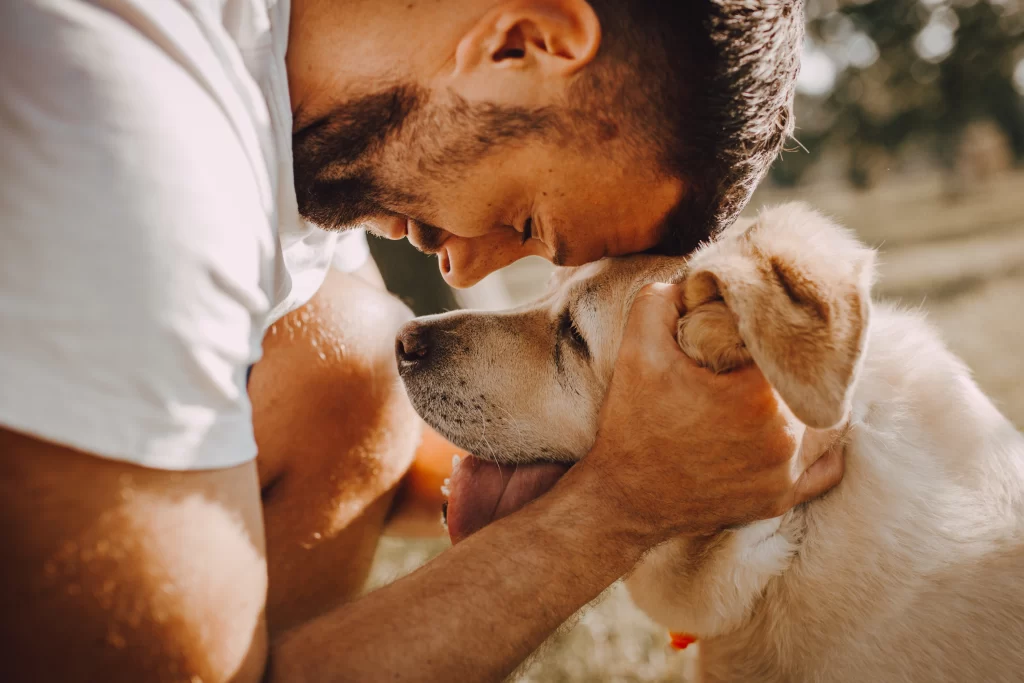
Insights from Sarah Rutten on Pet Grief
The silence left after losing a pet can be overwhelming, especially for those who have never gone through it. Many dog guardians equate the grief to losing a family member, yet societal views often downplay this pain. According to Sarah Rutten, an accredited canine behaviourist and bestselling author, this kind of grief is real and should be acknowledged. “Dogs are woven into the smallest parts of our daily lives,” she explains. “They are there when we wake up, when we make coffee, when we come home, when we sit on the couch, when we prepare meals.” Recently, Rutten experienced this grief firsthand after saying goodbye to her beloved pug, Doug, following a decline in his health. “Even when you know it is the kindest decision, it still feels impossible,” she says, highlighting how household dynamics change.
Understanding the Depth of Pet Grief
Rutten notes that people often feel pressured to minimise their grief due to societal norms. The intensity of grief reflects the depth of the relationship with the pet, she asserts. “These animals are family,” she states, emphasising the need for validation. After losing three dogs in 18 months—Harvey, Kali, and Doug—Rutten observes that grief manifests differently each time. “One loss was sudden and shocking. One came after a long period of illness and brought relief, followed by guilt about feeling relieved. One has been a quiet ache,” she explains, noting the absence of a fixed grief pattern.
Surviving pets may also grieve. Since Doug’s passing, Rutten’s young pug, Floyd, has shown signs of sadness and attachment. “He has been more subdued, a little off his food and more attached than usual,” she remarks. In her book, ‘The Canine Perspective,’ Rutten discusses the concept of pet grief and the importance of supporting other pets through this process. She emphasises that dogs can grieve, and supporting them is crucial.
Rutten advises those grieving to acknowledge their feelings and seek support from understanding communities. Creating personal rituals and allowing time for adjustment are also recommended. “Your capacity to love another dog does not diminish what you felt for the one you lost,” she reassures, encouraging a personal pace in the healing process.
Last updated: 29 June 2026, 12:04 pm