

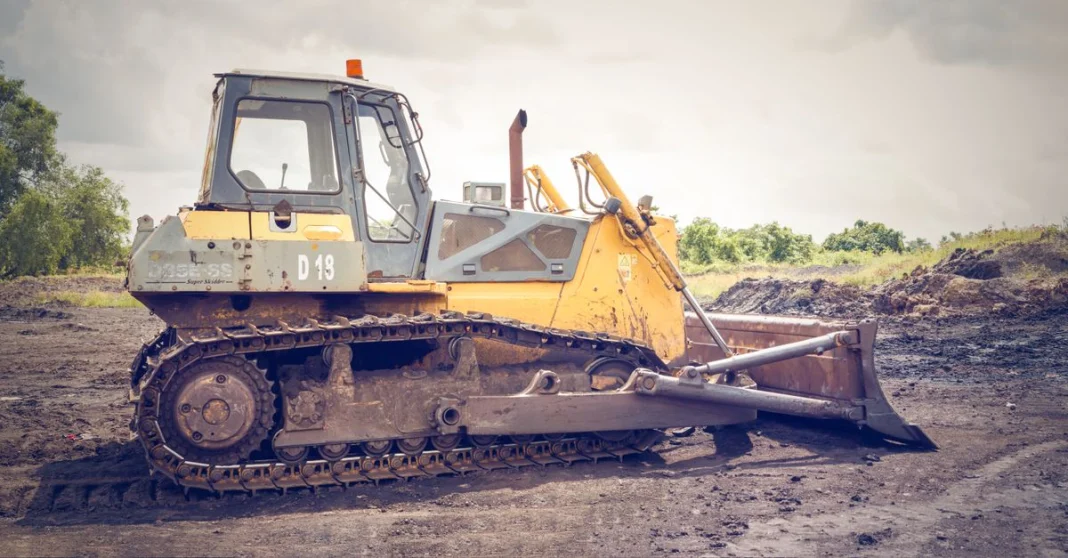
State figures show 24,100 hectares of trees and shrubs were cleared in 2024
NSW land clearing exceeded 81,000 hectares in 2024, according to the state government’s Statewide Landcover and Trees Study, known as SLATS.
The total included 24,100 hectares of woody vegetation, such as trees and shrubs, and 57,000 hectares of non-woody vegetation, including grasslands, ferns and ground cover.
That area was more than 275 times the size of the Sydney CBD. WWF-Australia used the 2024 figures to argue the Minns government has not met its March 2023 election promise to stop excessive clearing.
Dr Stuart Blanch warning
Dr Stuart Blanch, WWF-Australia’s forest policy manager, said: “This is the first SLATS report showing land clearing entirely on Labor’s watch and the results are alarming.”
Woody vegetation clearing fell from 32,847 hectares in 2023 to 24,100 hectares in 2024. However, WWF-Australia argued that level remained too high.
Dr Blanch said the 2024 total equalled 88 full-sized rugby league fields of habitat cleared every day for a year.
Deforestation in 2024 was more than 10 times higher than the average annual woody clearing recorded from 2006/07 to 2012/13, when the average was 2,222 hectares.
According to WWF-Australia, clearing rose after the Coalition relaxed native vegetation laws in 2017. The group also pointed to Labor Premier Bob Carr’s 1995 crackdown, which reduced clearing for decades.
Unallocated woody vegetation
Most of the woody vegetation cleared in 2024 was classified as unallocated. That category likely exempted the clearing from any ecologist assessment of whether threatened species would be killed.
Current NSW rules allow landholders to clear vegetation they self-assess as Invasive Native Species. WWF-Australia argued a more scientific system is needed to protect areas of ecological value.
Dr Blanch said: “Every hectare of trees bulldozed means fewer homes for wildlife and more carbon pollution in the atmosphere.”
WWF-Australia called for stronger laws, bigger incentives for landholders to protect and restore forests, and more investment in timber plantations and protected areas.
The organisation also backed support for natural capital markets and engagement with First Nations communities. It linked those changes to NSW emissions targets for 2030 and 2035.
WWF-Australia said stronger state laws would also help farmers and producers access the growing market for deforestation-free commodities.