

Applications topped 39,000 even as growth slowed
Approvals for Australians accessing superannuation on compassionate grounds for dental treatment reached $892 million in 2025-26, up 9% from $817.6 million in 2024-25.
New Australian Taxation Office figures also show growth in the number of people using the pathway for dental treatment slowed in 2025-26 after sharp rises in recent years, even though the approved amount kept climbing.
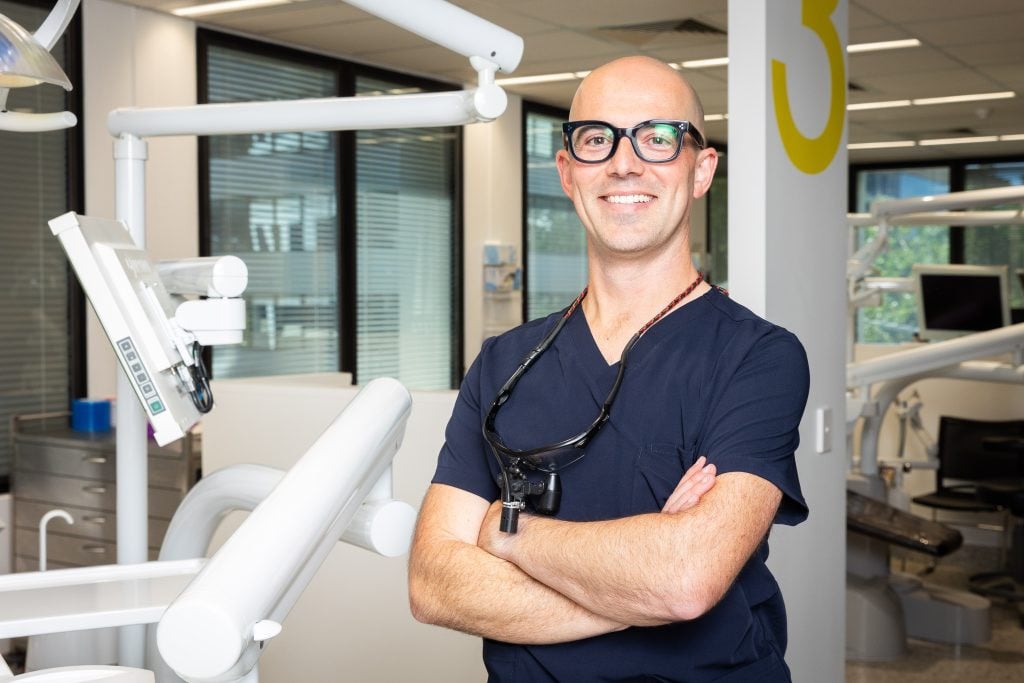
More than 39,000 Australians applied to access their retirement savings for dental treatment, according to Dr Chris Sanzaro, president of the Australian Dental Association.
The association describes compassionate release of superannuation as an important safety net for people with serious dental problems. Australian Dental Association said the continued growth in withdrawals highlights a bigger issue: too many Australians cannot afford the dental care they need.
Dr Sanzaro said early access to super remained important for people with painful dental conditions, but should not replace a properly supported dental system.
“But almost $900 million being taken from Australians’ retirement savings to pay for dental care should make us stop and ask why so many people are having to make that choice in the first place,” Dr Sanzaro said.
According to the ADA, the figures point to wider access and affordability pressures. It says people on low incomes, older Australians, people with disability and others facing barriers to care are especially affected.
Australians also often face significant out-of-pocket costs for dental treatment, while public dental services are limited and waiting lists can be long.
Meanwhile, the ADA backs continued compassionate release of superannuation for people who genuinely need it, while arguing the scheme must keep its integrity.
Dr Sanzaro warned that superannuation was created to provide financial security in retirement, not to become a routine way to pay for dental treatment. He also said the safety net matters, but it is not a substitute for the dental system.
The ADA has updated its Compassionate Release of Superannuation guidelines for member dentists and patients. The group says the changes are meant to help ensure the scheme is used appropriately and ethically.
Those guidelines give more detail on eligibility, the information needed to support an application, treatment options and costs, and the responsibilities of dentists and patients.
Dr Sanzaro said dentists cannot provide financial advice about the consequences of withdrawing superannuation, and people considering access should seek independent advice from a registered tax agent or financial advisor.
Separately, the ADA has raised concerns about promoting compassionate release of superannuation for dental treatment that does not fit the scheme’s intended purpose.
“Accessing super should be a health decision, not a lifestyle decision,” Dr Sanzaro said.
He said dental treatment can bring both functional and aesthetic benefits, but the ADA is concerned by any promotion of superannuation for purely cosmetic dental work because it could weaken the safety net and leave people with less for retirement without meeting a genuine health need.
The association also says continued growth in early release of super for dental care strengthens the case for governments to improve access to publicly funded dental services and targeted support for vulnerable Australians.
It points in particular to children, seniors, people with disability and Australians experiencing financial disadvantage.
The Australian Dental Association is the peak national body for dentists. It has more than 17,000 members and branches in every state and territory.
Related Articles
- ATO data shows 5% drop in compassionate release super approvals
- Jesuit Social Services urges father-inclusive care on women's health
Related: Council urges ban on predatory ads for early super withdrawals