

CoLab will map services and measure the long-term cost to families
Children’s Cancer CoLab has started a national assessment to find where childhood and adolescent cancer survivors can get follow-up care, and where support is missing across Australia.
The project, called the National Landscape and Economic Assessment, will examine survivorship services nationwide. It will also calculate the long-term economic impact on families, including health system costs, out-of-pocket spending, and effects on income, education and work.
About 20,000 Australians are living with the lifelong effects of childhood and adolescent cancer. CoLab expects that number to rise by up to 20% over the next decade.
Eight in 10 survivors have at least one long-term health problem. CoLab also says mortality rates can be up to 10 times higher than for their peers, even decades after treatment.
Access varies across states and regions
Follow-up care is not delivered evenly around the country. Access differs between states and territories, and the gaps are often wider in rural, remote and other disadvantaged communities.
Late effects can include heart disease, secondary cancers, learning and neurocognitive problems, mental ill-health, and poorer social and emotional outcomes.
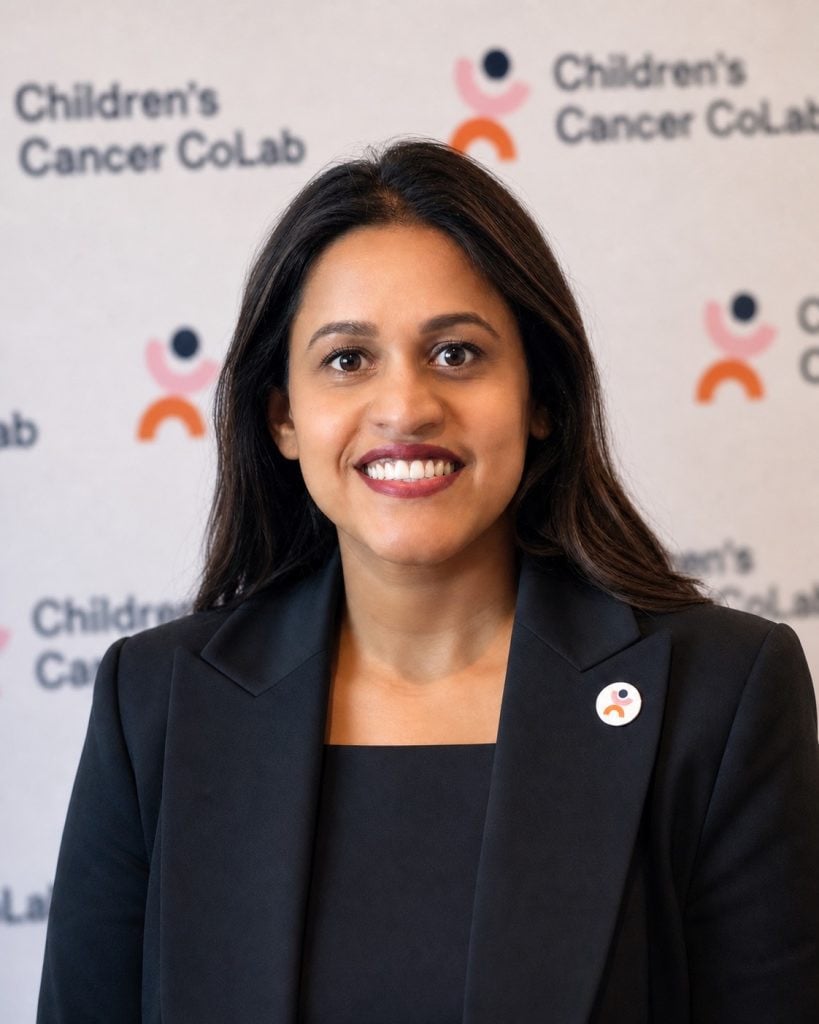
CoLab chief executive Dr Udani Reets said the work would give, for the first time, a national picture of what support exists and what is needed to make the system fairer.
“We need an independent, national view because survivorship care should not depend on where a family lives, which hospital they attended, or how confident they are in finding support,” Dr Reets said.
The assessment is due for completion by December 2026. CoLab plans to release a final report with recommendations for governments, services and charities in early 2027.
“With the number of childhood and adolescent cancer survivors in Australia expected to grow significantly over the next decade, now is the time to ensure our survivorship system is ready to support them,” Dr Reets said.
Children’s Cancer CoLab did not disclose a contract value for the project or say when any policy changes could follow the final report.