

Five Burleigh koalas treated in single-visit test
Researchers have given a wild koala a chlamydia vaccine implant for the first time, opening a Queensland trial that has already reached five animals in Burleigh on the Gold Coast.
The new method turns the only two-dose koala chlamydia vaccine into a one-visit procedure. Vets give the first shot during capture, then a biodegradable implant breaks down after 30 days to release the booster.
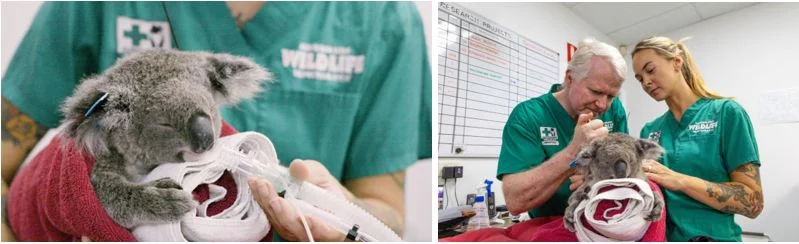
Bamse, an 18-month-old female whose name means “teddy bear” in Norwegian, became the first recipient on 19 May 2026. After teams captured her in Burleigh, they took her to Currumbin Wildlife Hospital, where Senior Veterinarian Dr Michael Pyne and QUT researcher Dr Freya Russell sedated her, delivered the first dose and inserted the implant.
Currumbin Wildlife Sanctuary’s koala ecology team returned Bamse to her bushland home on 19 May 2026. She now wears a GPS collar and researchers will monitor her for at least six months.
Five wild koalas from Burleigh have now received the implant. Bamse and another treated koala have already returned for one-month checks, and both were free of chlamydia.
“We’ve been working with vaccines against chlamydial disease in koalas for over five years now and this is a massive breakthrough,” Dr Pyne said.
QUT and Currumbin Wildlife Hospital lead the project. WWF-Australia backs the research, with funding support from furniture brand Koala, to help recover koala populations.
Success in Elanora previously depended on a two-step process. Koalas were captured for an initial vaccine and then recaptured four weeks later for a booster shot.
According to QUT, the implant removes that second capture. As a result, the process is less stressful for koalas and uses fewer staff and resources.
Earlier tests in captive koalas showed the implant worked. That result gave researchers confidence to start the wild koala trial in Burleigh.
Elanora chlamydia decline
The wider vaccine programme has treated more than 500 koalas at Currumbin Wildlife Hospital and the Moggill Koala Rehabilitation Centre. That total includes more than 30 young koalas from Elanora on the Gold Coast.
In 2020, more than 70% of Elanora koalas arriving at Currumbin Wildlife Hospital had chlamydia. Since then, chlamydia admissions from that area have fallen by 75%.
The Elanora population has also recorded 41 joeys and 13 grand-joeys after vaccination. Researchers linked those births to a population rebound in what had been one of Queensland’s most diseased koala areas.