

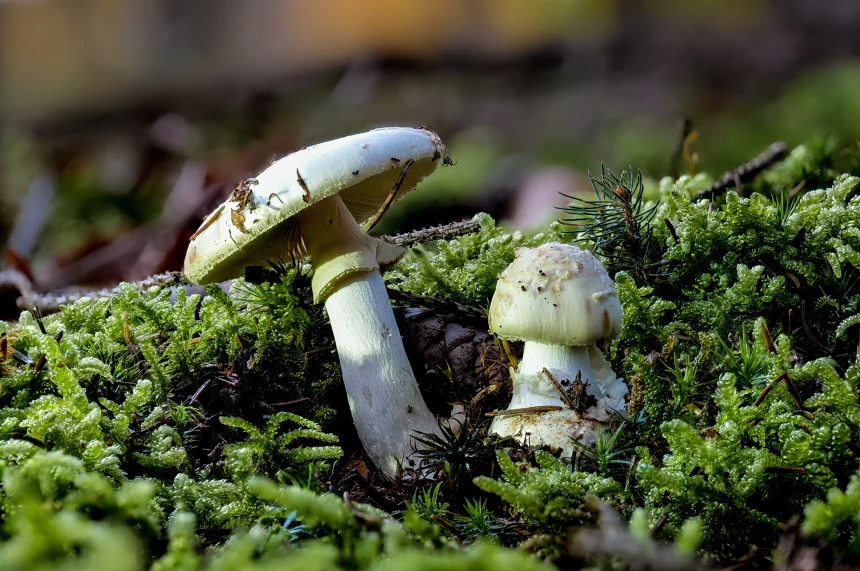
Wild mushrooms trigger almost 900 poison calls a year
Wild mushrooms cause almost 900 calls a year to the Australian Poisons Information Centre, with about one in three cases requiring hospital treatment.
UNSW food microbiologist Associate Professor Julian Cox said foraging carries serious food safety risks, especially as cooler weather brings conditions for wild mushrooms and edible plants. He said poisonous species can closely resemble edible varieties and some cases can be fatal.
The death cap mushroom, Amanita phalloides, is among Australia’s most poisonous fungi. Its effects can begin with severe gastric symptoms that appear to resolve before organ damage and failure follow, and as little as half a cap can be lethal.
“If you’re not 100% sure what you’re foraging for, don’t eat it,” Cox said.
While rare, death cap mushrooms are responsible for about 90% of mushroom poisonings in Australia, including a recent case in Victoria last year. The yellow staining mushroom, Agaricus xanthodermus, is the leading cause of mushroom poisoning in Victoria and can cause nausea, vomiting, diarrhoea and other gastrointestinal symptoms for several days.
Hidden contamination risks
Cox said the risks of foraging go beyond poisonous fungi. Food gathered from the wild can be contaminated by animal faeces carrying harmful microbes, including bacteria and parasites, and foraged foods may also absorb or accumulate chemicals from soil, water or the surrounding environment.
He pointed to a widely reported case of an Australian woman who developed a rare parasitic infection after eating Warrigal Greens, Tetragonia tetragonioides. It was believed the parasite, Ophidascaris robertsi, came from a python, with its faeces likely contaminating the food, and doctors later removed a live roundworm from the woman’s brain.
“You can reduce some risks through good food handling but if you’ve picked the wrong mushroom or collected food that’s contaminated with toxins, no amount of cooking will make it safe,” Cox said.
Unlike food poisoning bacteria that are usually destroyed through heat, the chemical toxins found in poisonous mushrooms remain dangerous even after cooking. Cox said the safest option, in line with advice from the Food Safety Information Council, is to leave wild foods where they are and eat commercially grown alternatives.